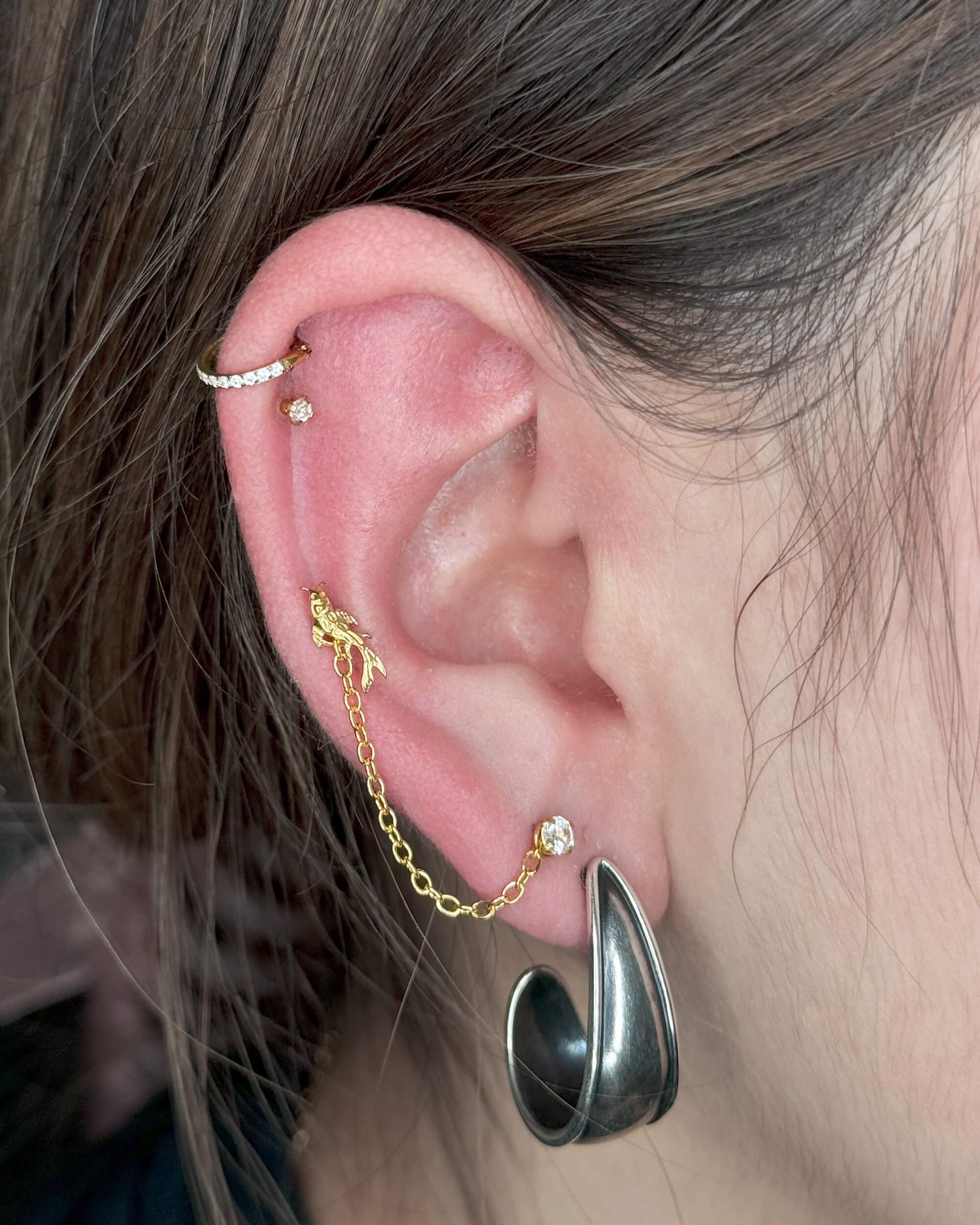
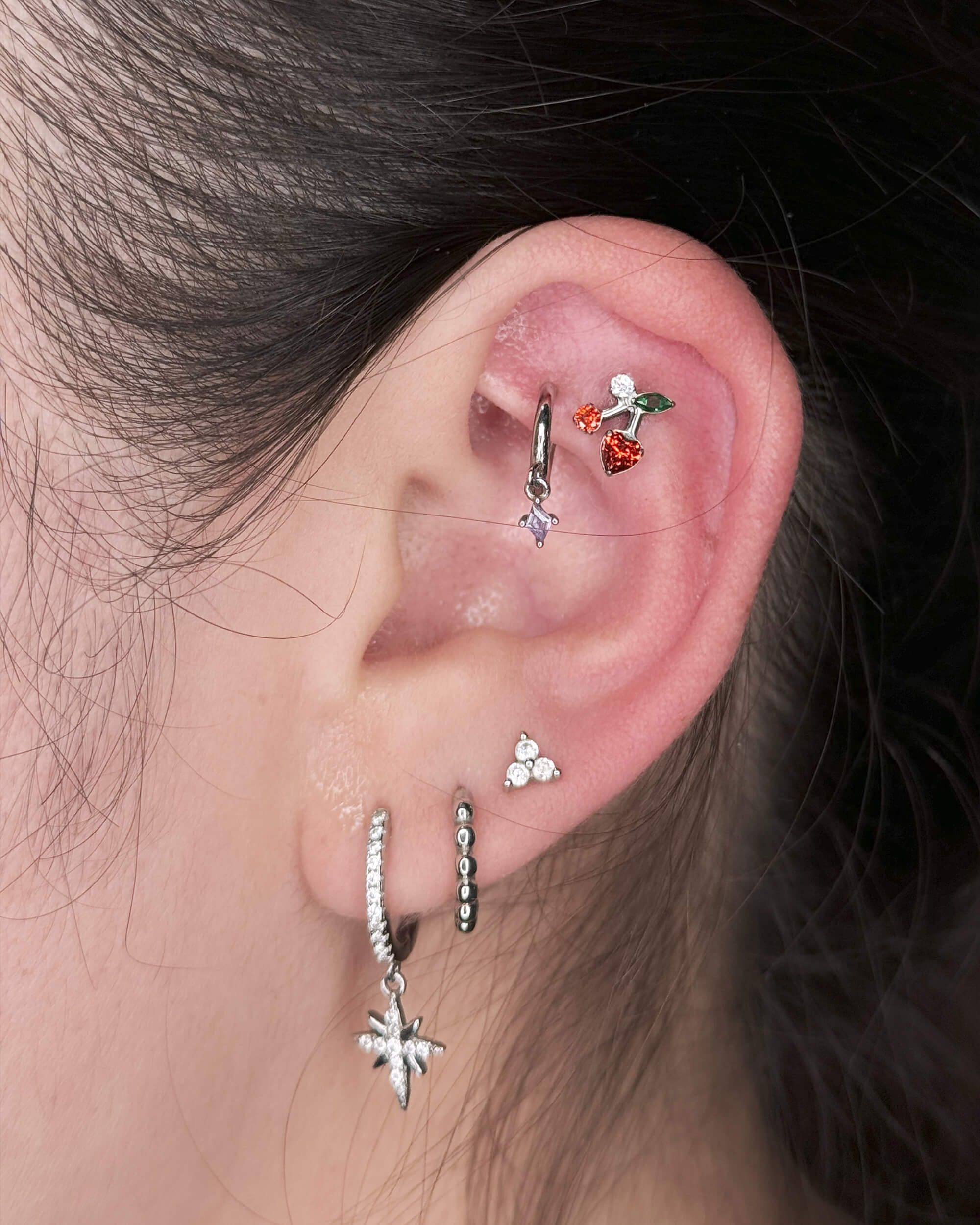
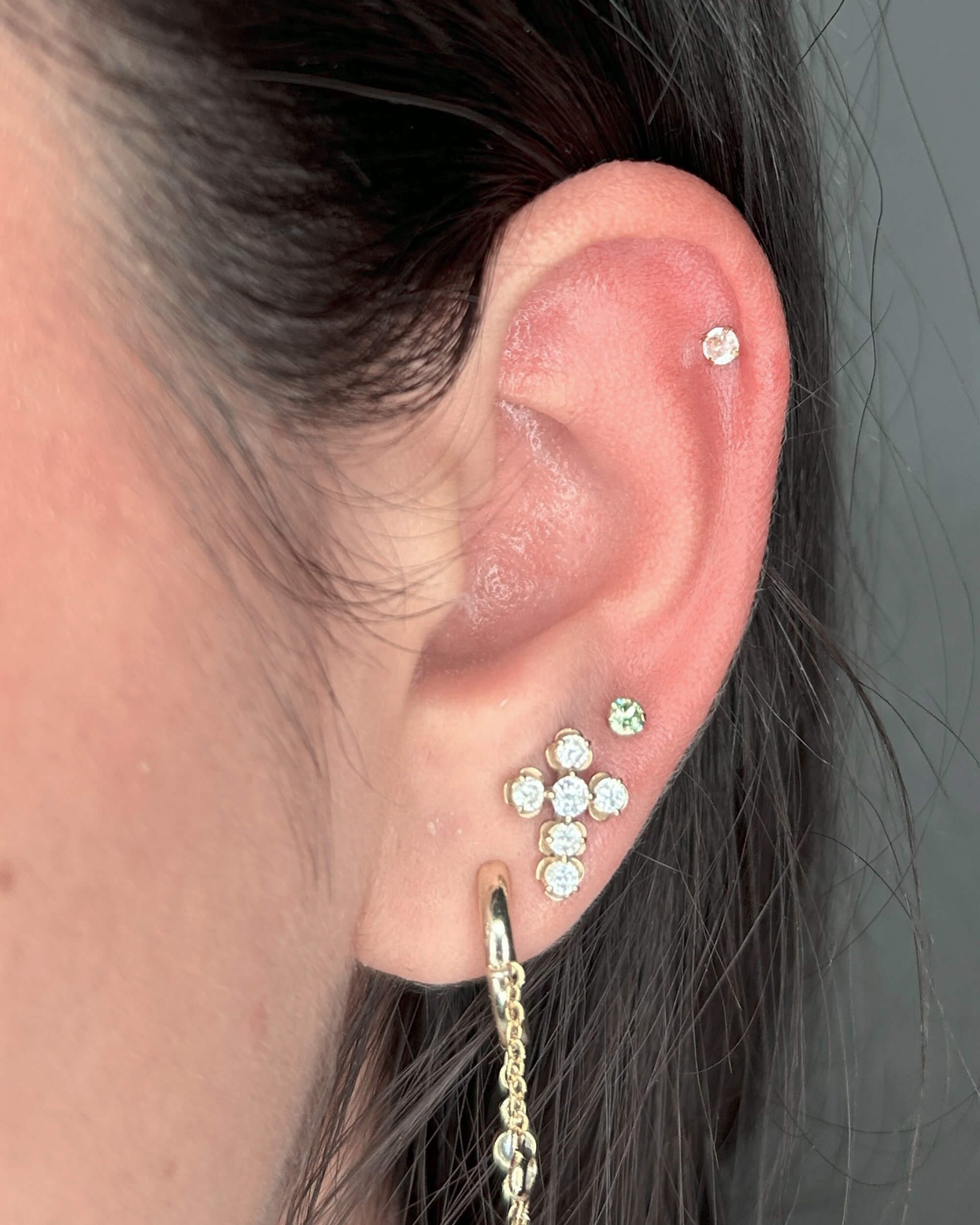
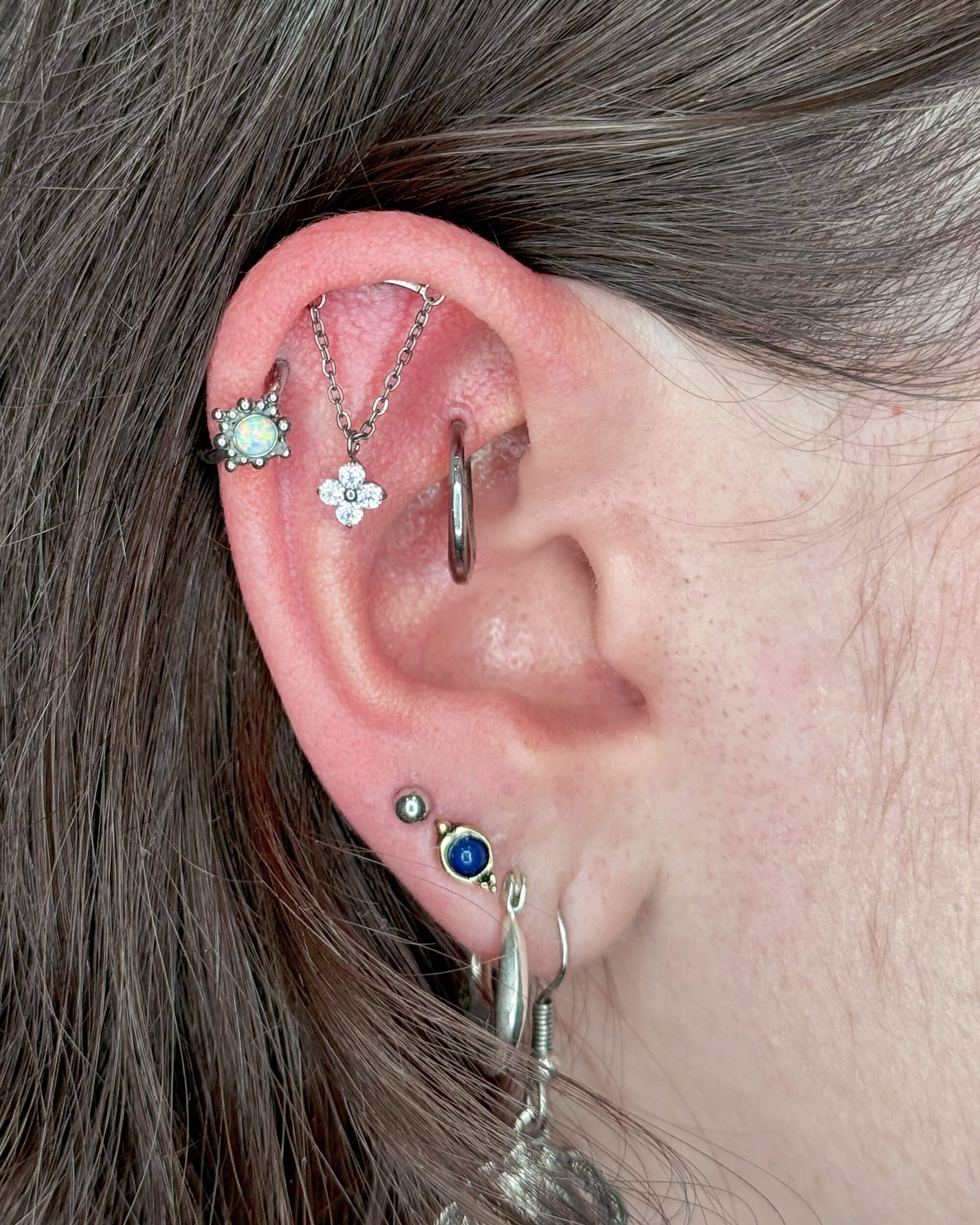
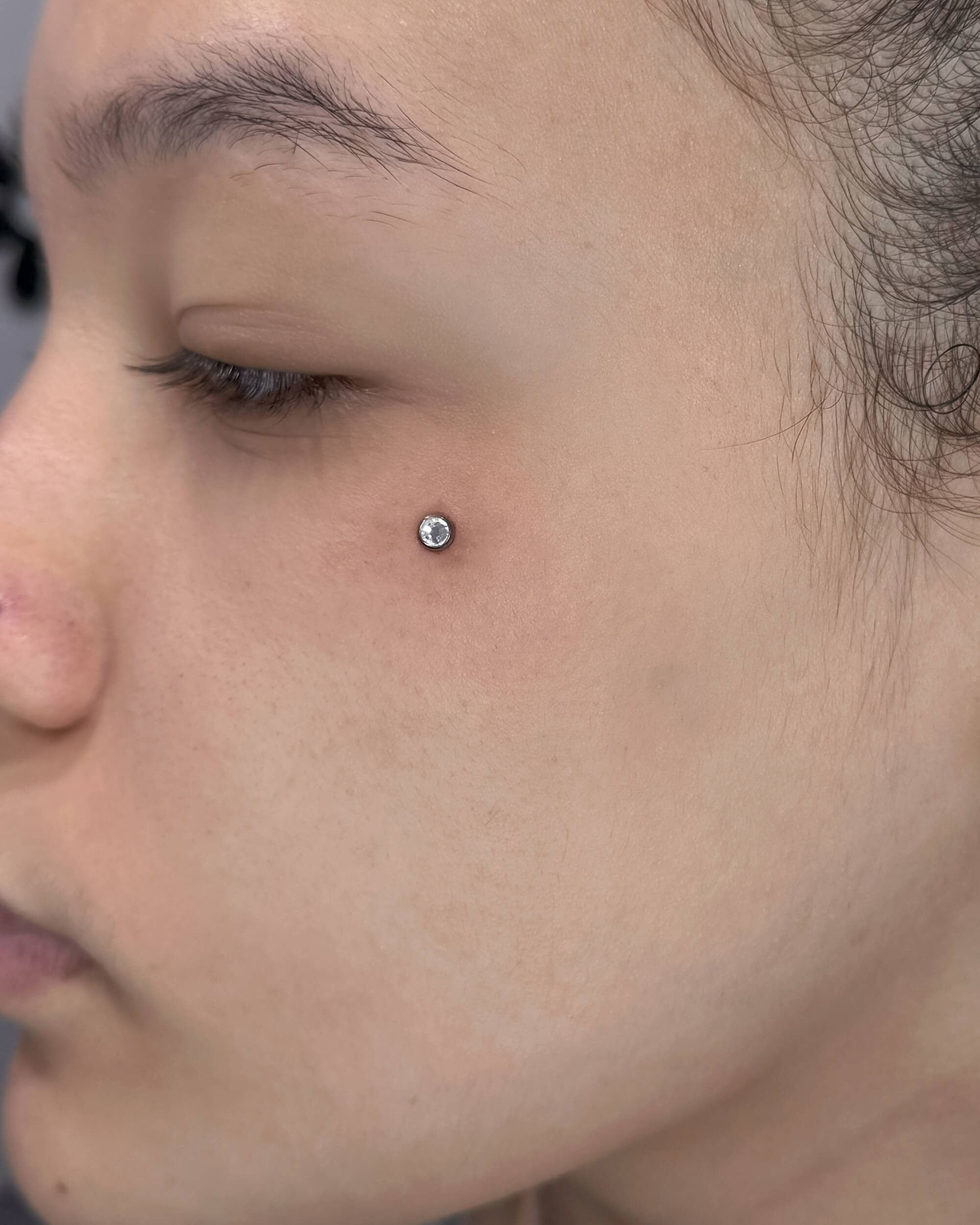
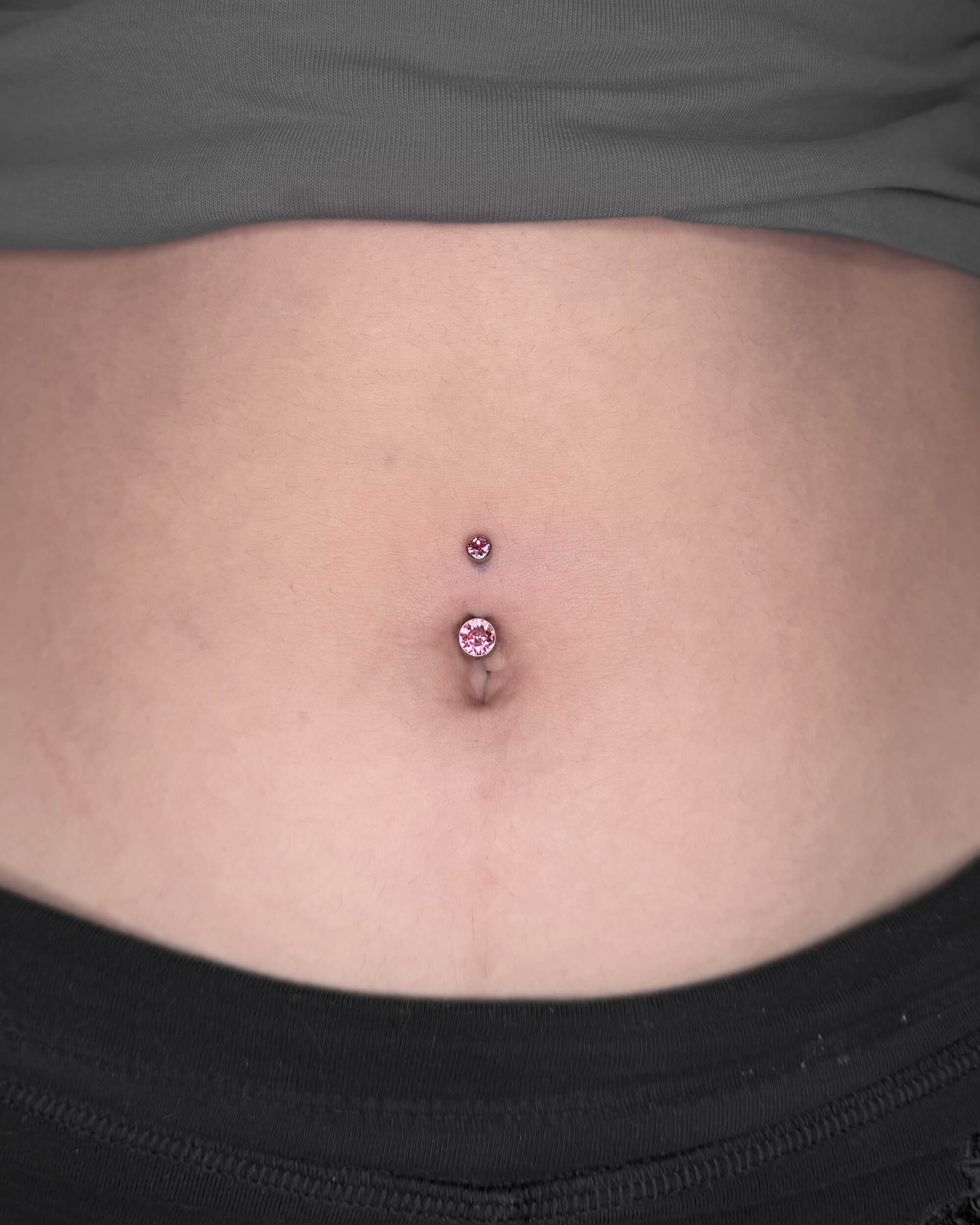
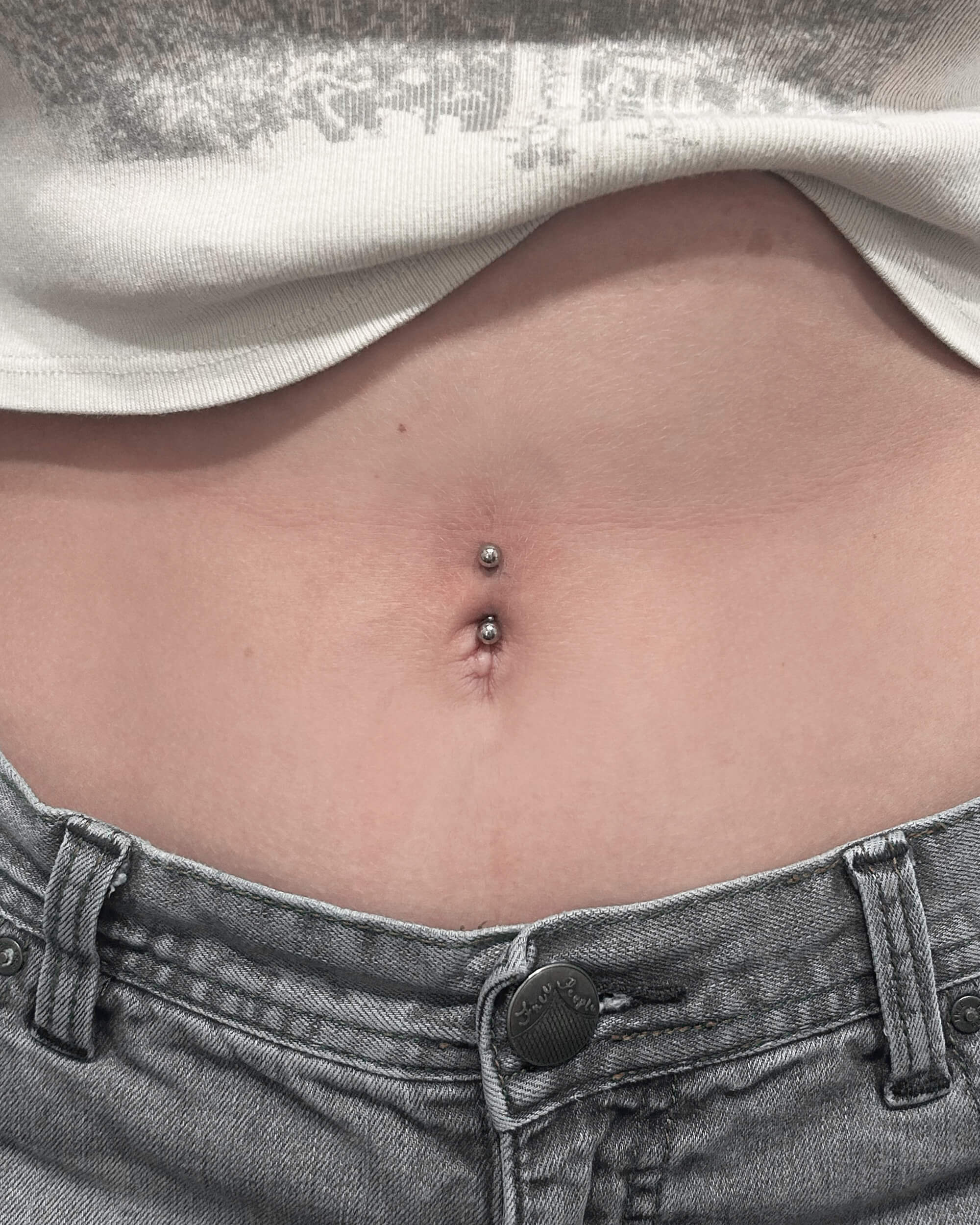
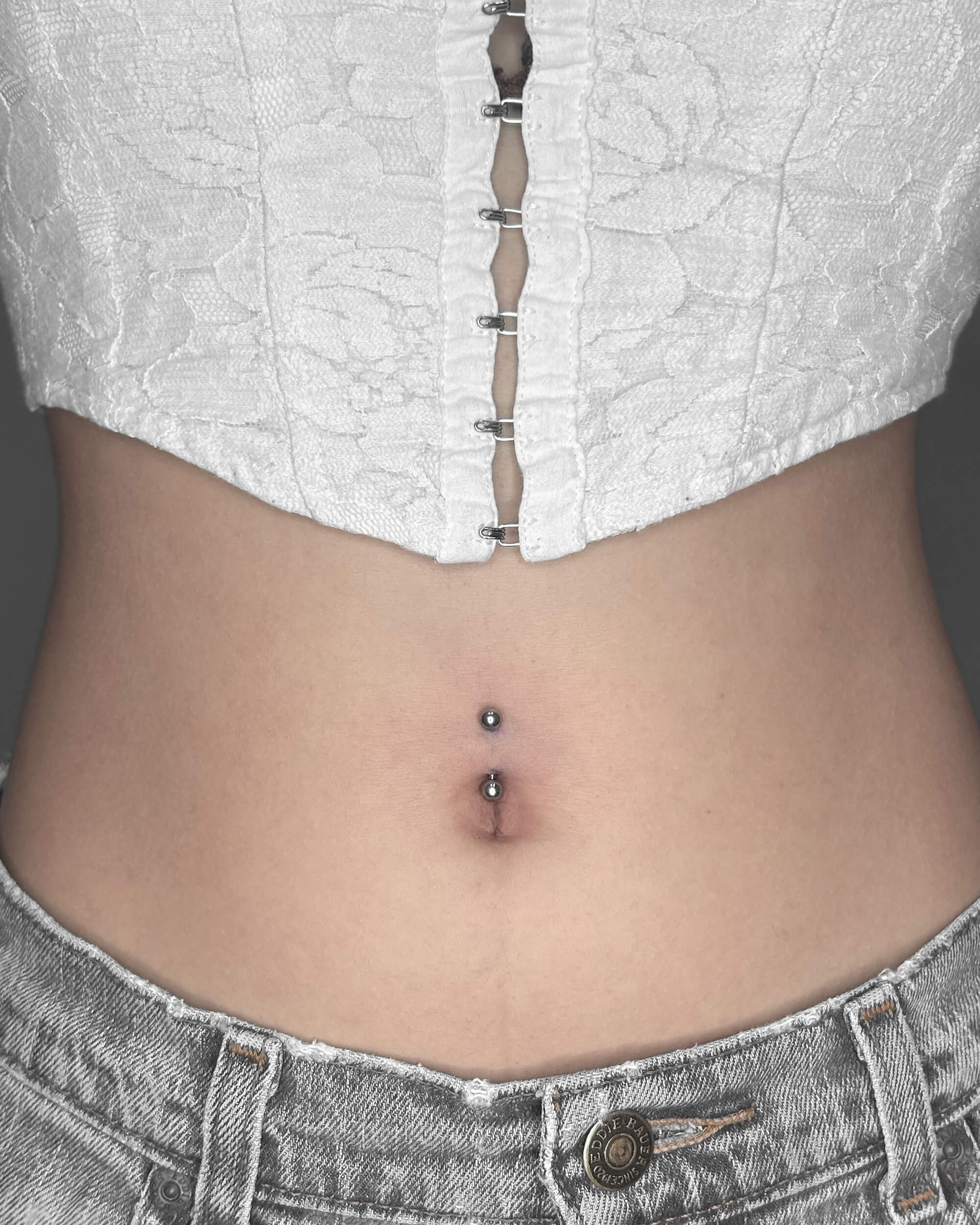
The best piercings for beginners are the ones that heal quickly and forgive the occasional aftercare slip: the earlobe, helix, nostril, and septum. Each sits on a different part of the ear or nose, so you can pick the one that matches your style without signing up for a long or complicated healing process. This guide explains what makes a piercing beginner-friendly, compares the four most common starter spots side by side, and points out the placements worth waiting on until you have a healed piercing or two behind you.

What to Consider Before Your First Piercing
Before your first piercing, weigh four things: your lifestyle, your pain tolerance, how much aftercare you are ready to keep up, and whether your job or school limits visible jewelry. Your first piercing is more than a look. It is also a first read on how your body heals and how consistent you can be with aftercare. Making a thoughtful selection significantly increases your chances of a positive experience that may open the door to more advanced modifications later. The “best” first piercing varies from person to person based on several important individual factors:
Your lifestyle
When considering a new piercing, it’s important to take your lifestyle into account to ensure a smooth healing process. If you’re physically active, whether as an athlete, dancer, or someone with active hobbies, you’ll want to choose piercings that are less likely to snag or become irritated during movement. Your sleep habits also matter; for example, side or stomach sleepers might face complications with certain ear piercings due to pressure and friction while resting.
Pain Tolerance
Pain tolerance varies from person to person, so it’s important to be honest with yourself about your sensitivity to discomfort before getting pierced. If you’re unsure, consider starting with piercings in fatty tissue areas, which generally cause less pain than those placed in cartilage or denser areas of the body. Keep in mind that the sharp, momentary pain experienced during the piercing itself is quite different from the longer-lasting, milder discomfort that occurs throughout the healing process.
Commitment to Aftercare
Before getting pierced, honestly assess your willingness to maintain regular cleaning routines essential for preventing infection. Consider whether you can avoid touching or manipulating the jewelry throughout the healing period, as this can introduce bacteria and cause irritation. Finally, be realistic about your dedication to attend professional follow-ups, which help ensure your piercing heals properly and any issues are promptly addressed.
Workplace and Social Considerations:
When planning a piercing, it’s important to consider workplace policies and social environments. Be aware of any professional dress codes or restrictions that may limit visible body modifications. If necessary, choose piercings that can be easily concealed using retainers to comply with such rules.

Top 4 Piercing Placements for Newcomers
These four piercings are the ones piercers most often point beginners toward, because each heals reasonably fast and sits somewhere that is easy to keep clean. Each one covers a different area of the ear or nose, so you can choose by style as much as by comfort. Here is how the four compare at a glance:
| Piercing | Pain | Healing time | Aftercare effort | Easy to conceal? |
| Earlobe | Mild pinch | 6-8 weeks | Low | Yes |
| Helix | Moderate sting | 6-12 months | Moderate | Partly |
| Nostril | Sharp pinch | 2-4 months | Moderate | Partly |
| Septum | Sharp pinch | 6-8 weeks (full 2-3 months) | Moderate | Yes, flips up |
Earlobe Piercings
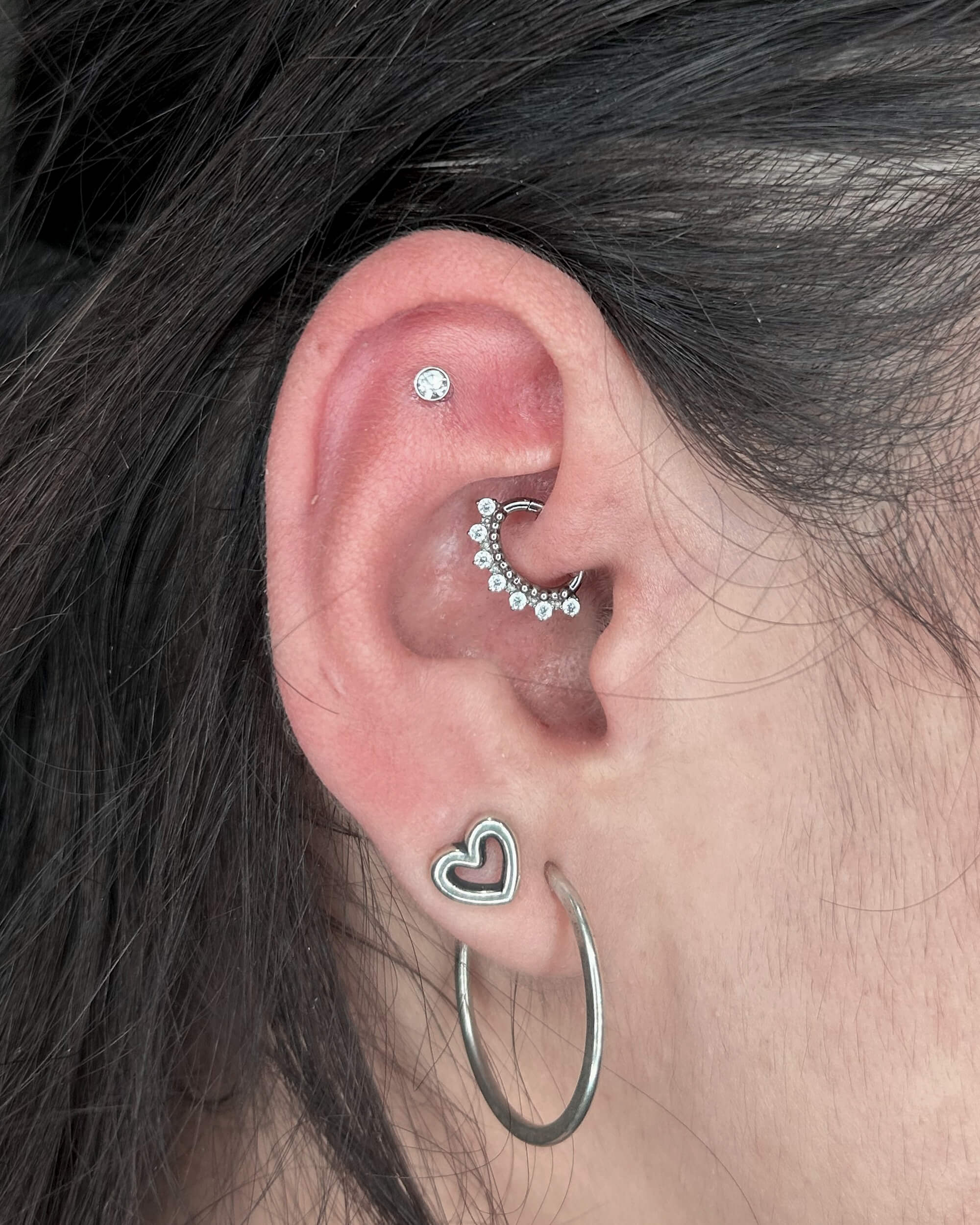
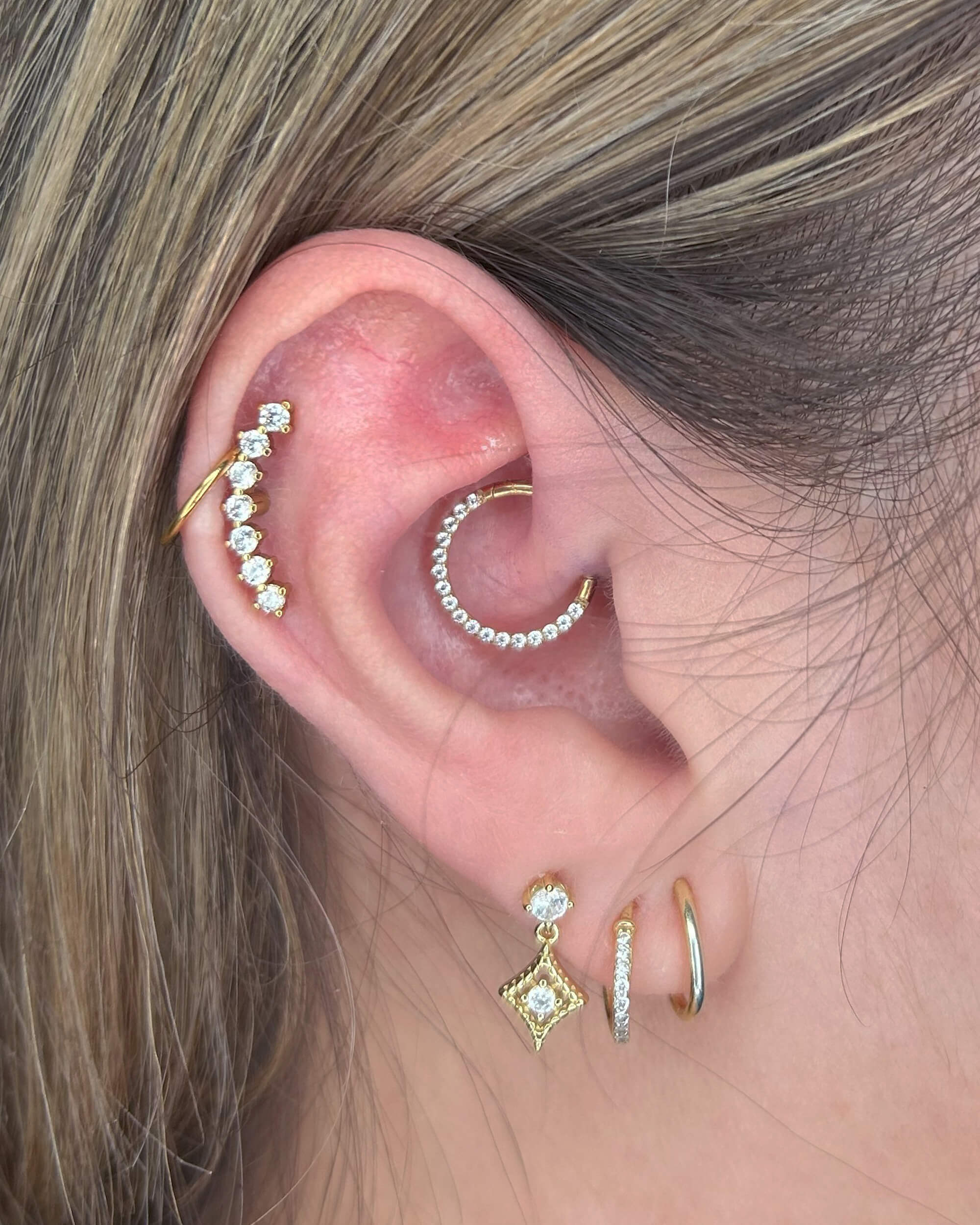
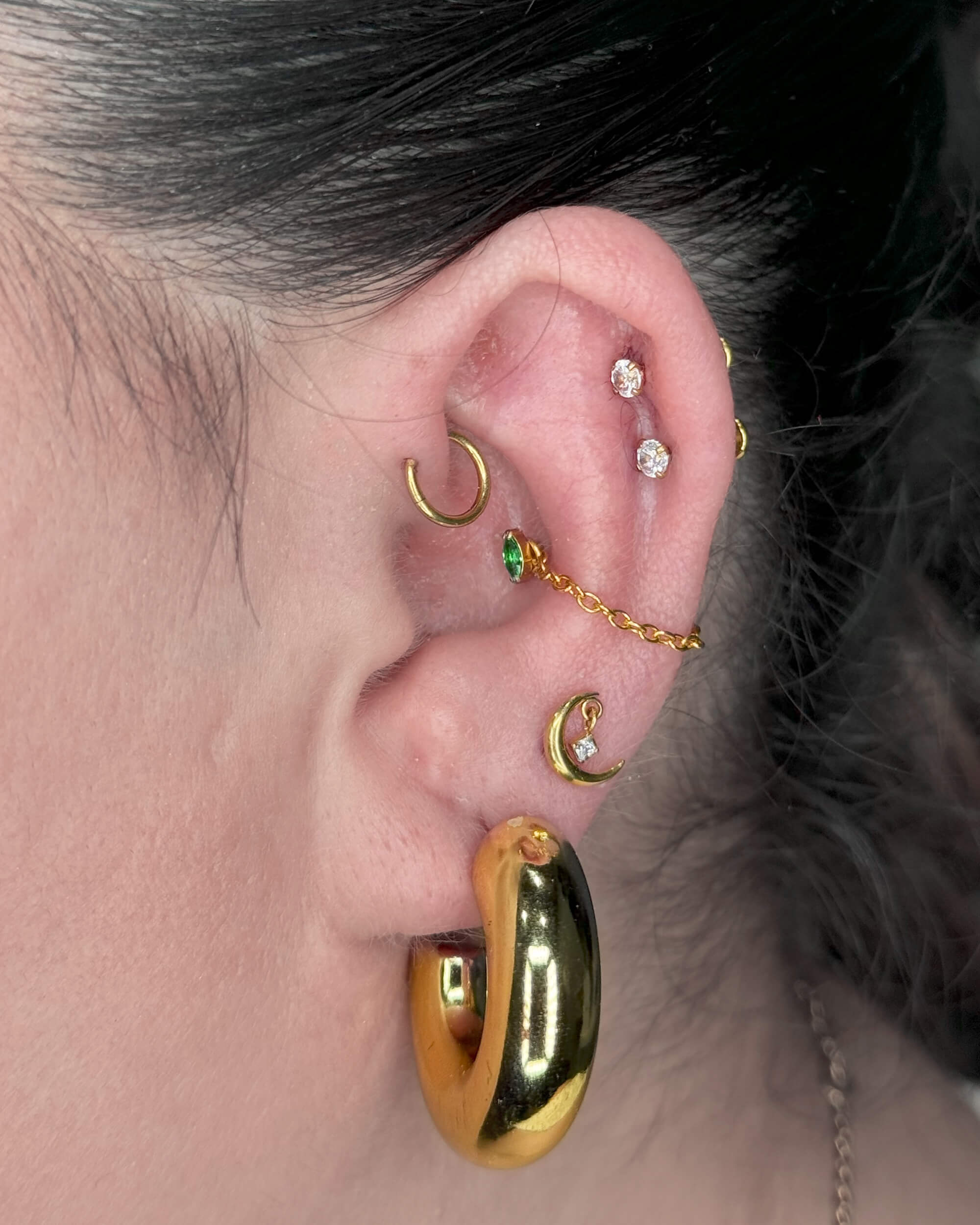
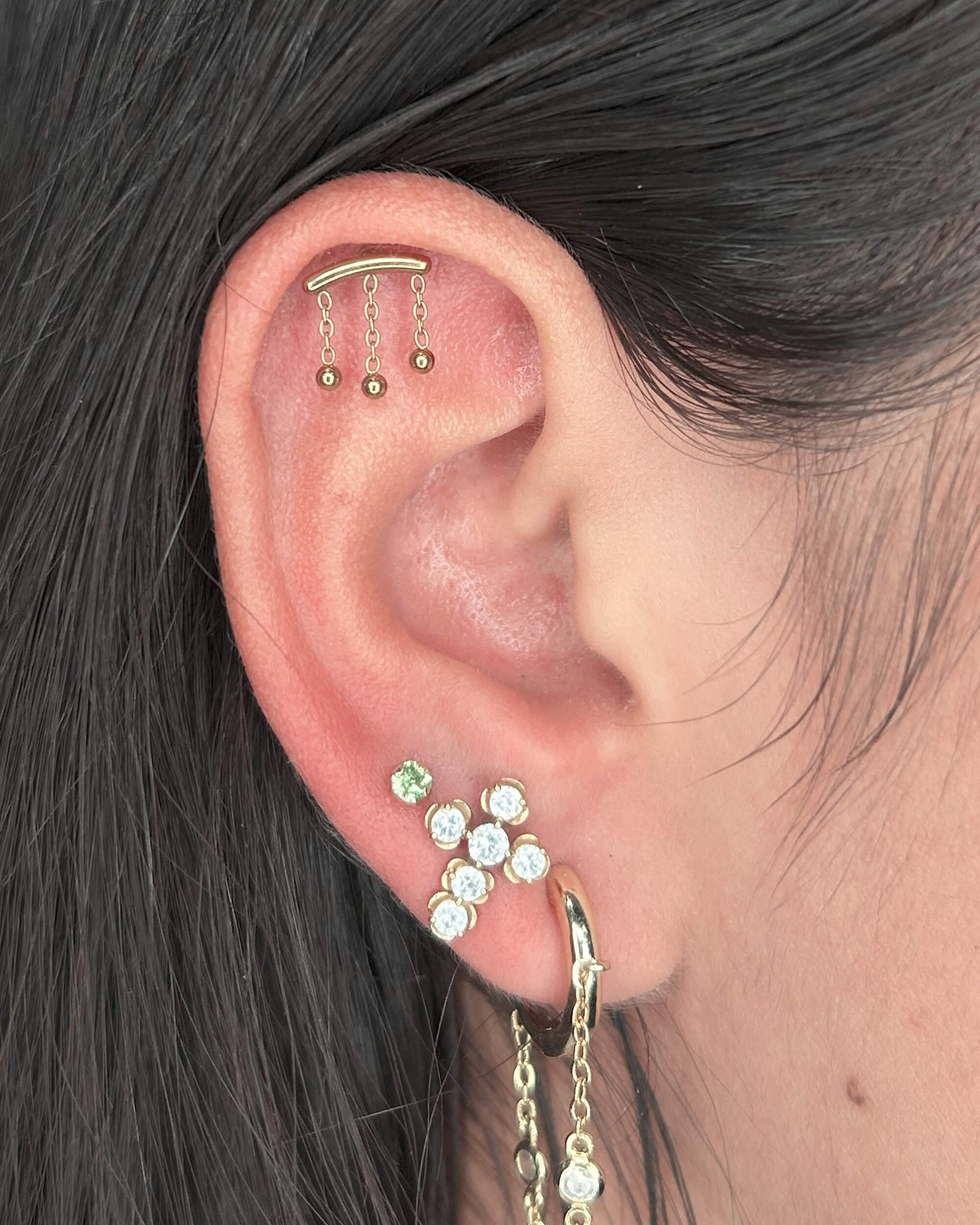
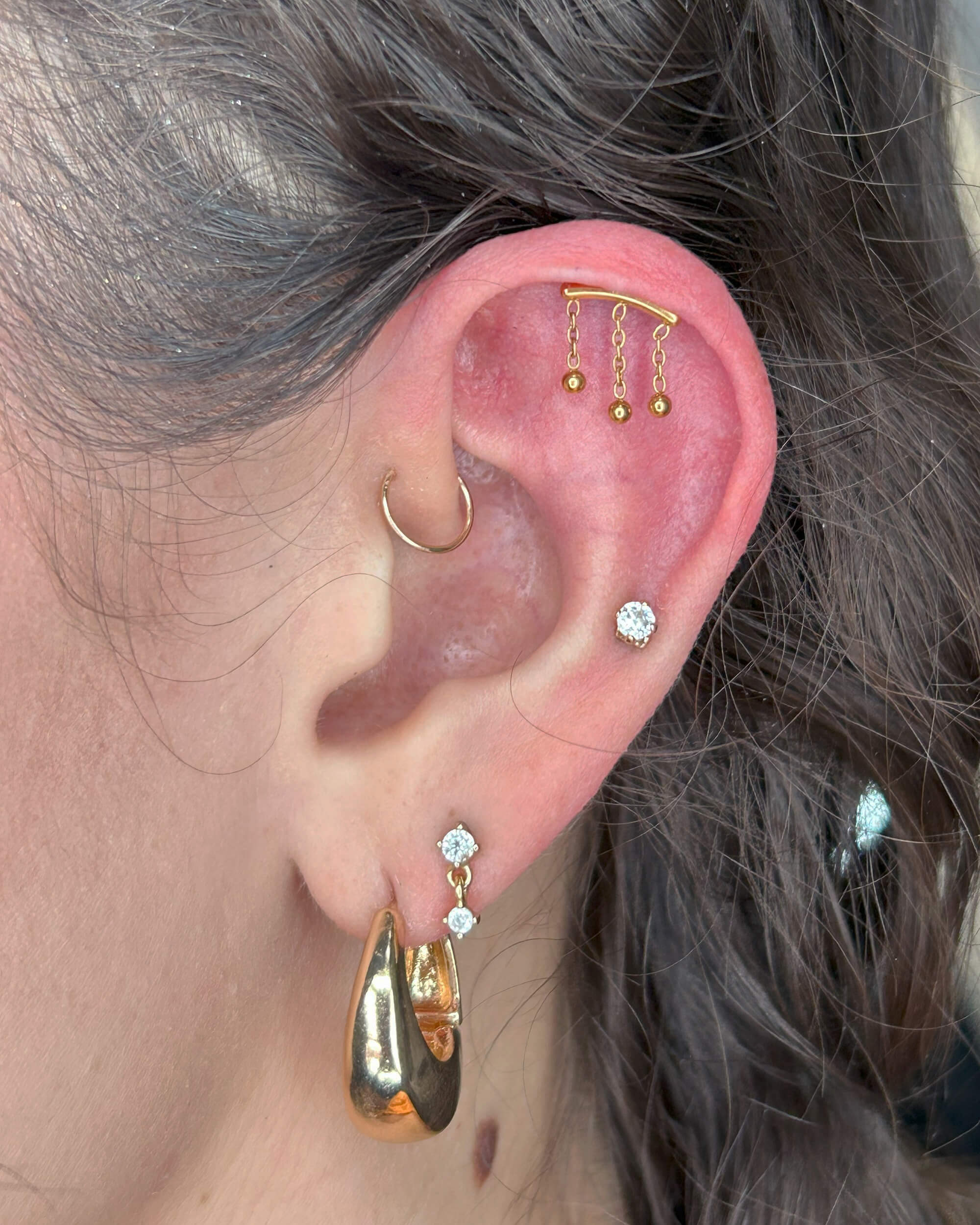
Earlobe piercings are often the gateway to the world of body art, and for good reason. Soft, supple, and rich in blood supply and with fewer nerve endings than cartilage, the earlobe offers a gentle introduction for those new to piercing. The sensation is typically described as a quick, mild pinch, brief and manageable, rarely provoking more than a flicker of discomfort. Healing tends to be straightforward and relatively swift, usually completing within six to eight weeks when cared for properly. For initial jewelry, implant-grade titanium or surgical steel studs with flat backs are favored choices, minimizing irritation and reducing the risk of allergic reactions. The benefits of earlobe piercings are clear as they heal faster, are less prone to complications and offer vast stylistic versatility. However, wearers should remain mindful to avoid premature heavy jewelry that might stretch the piercing or neglect aftercare, which can lead to infections.
Helix Piercings
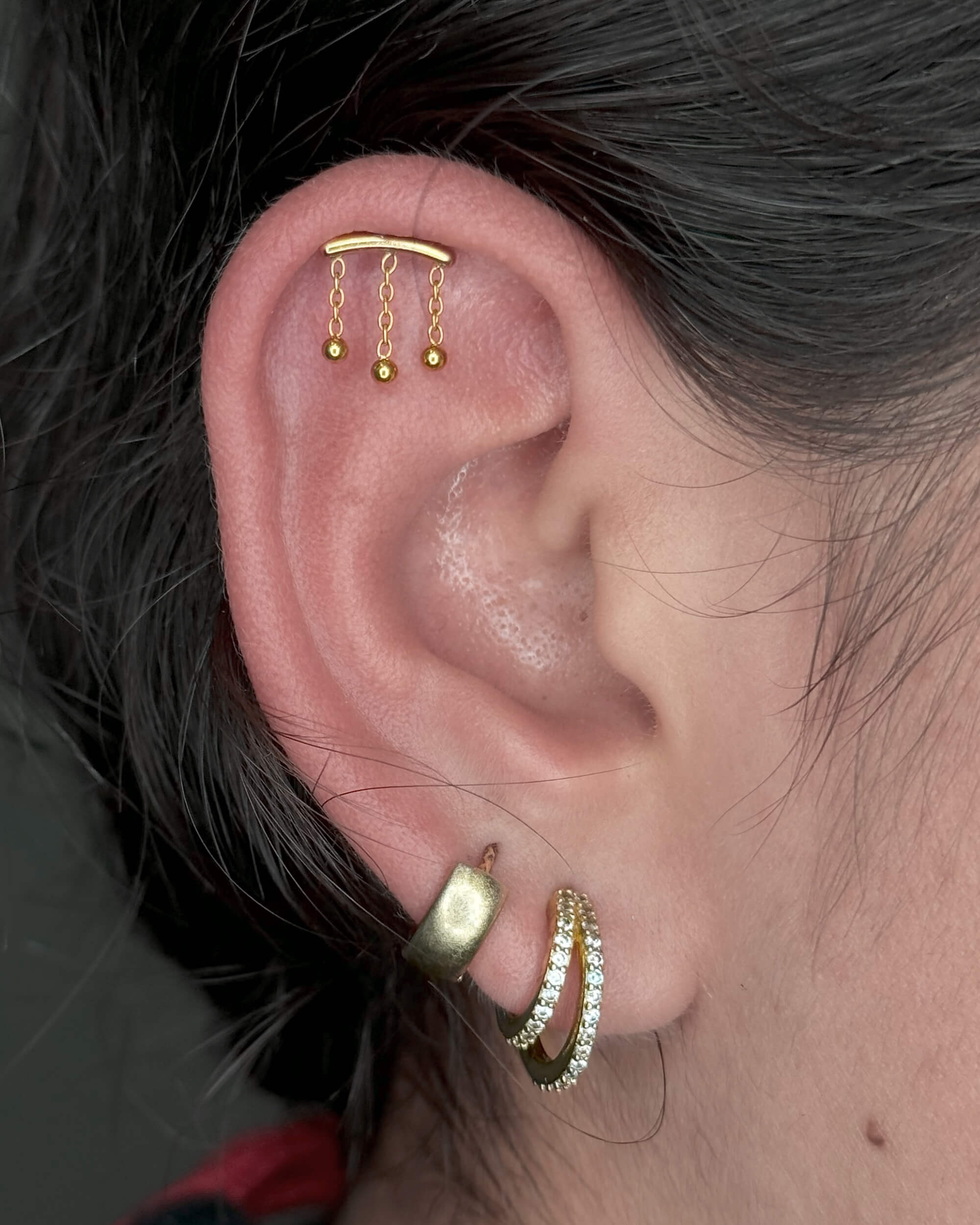
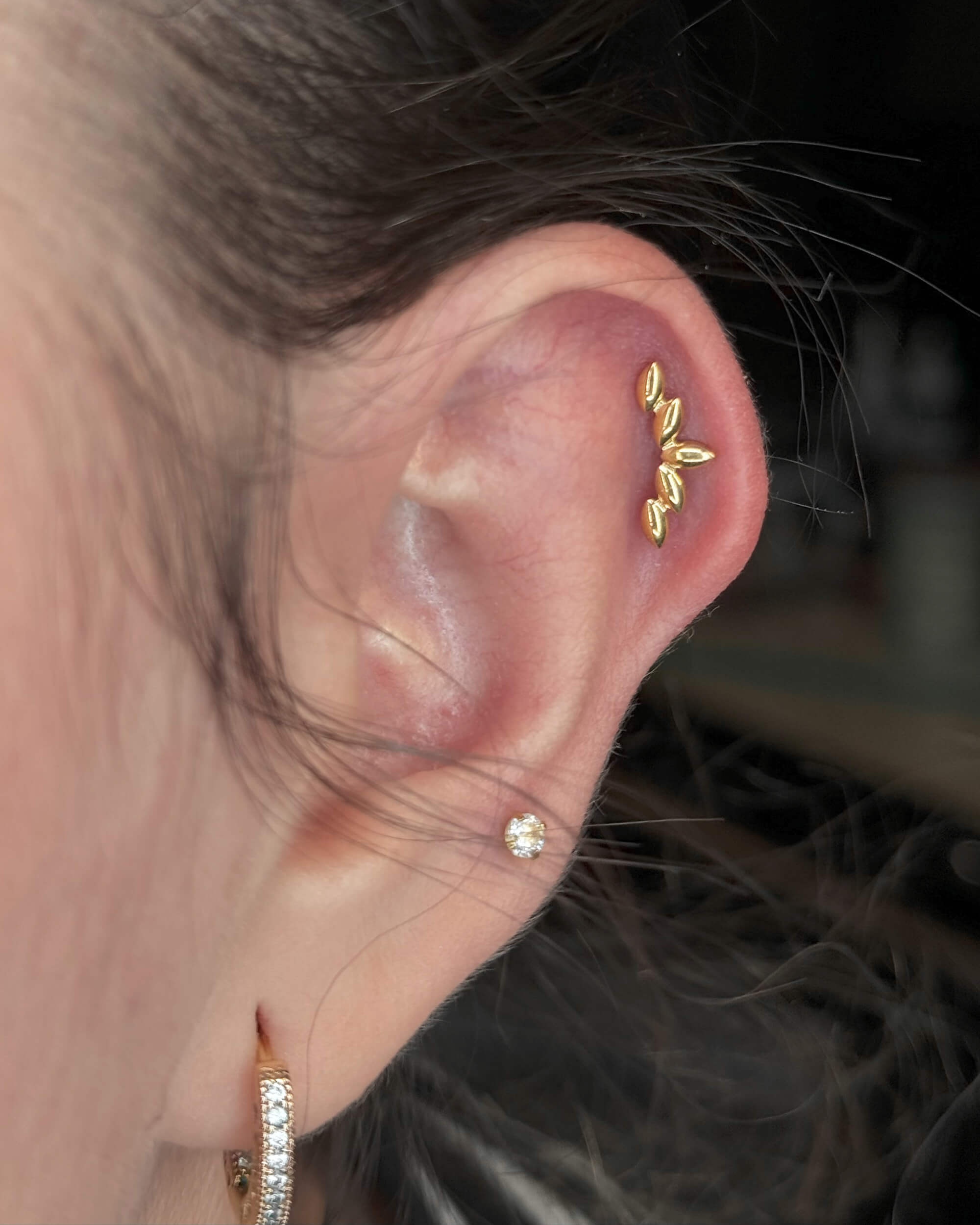
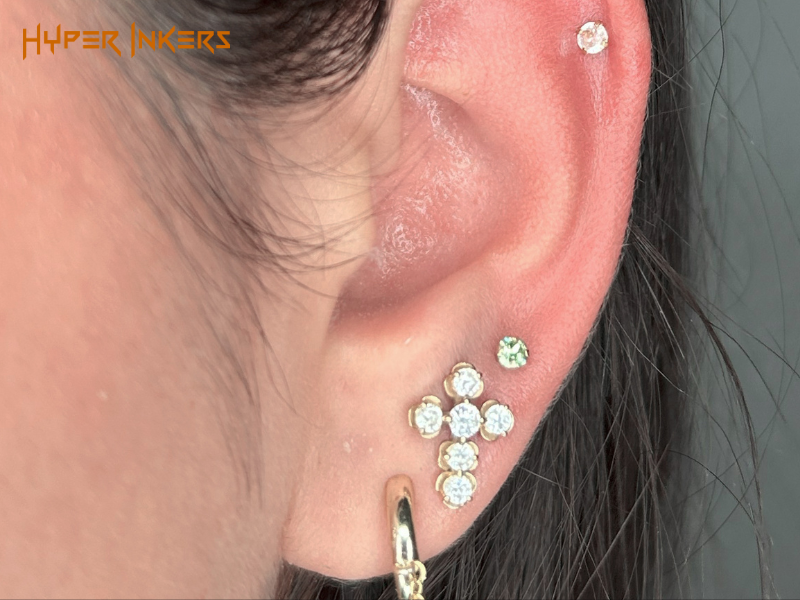
Helix piercings offer a stylish step beyond the basics, combining subtle edge with elegant versatility. Located on the upper cartilage of the ear, helix piercings involve passing through firmer, more sensitive tissue than the earlobe, which means the initial piercing sensation can feel sharper and linger a bit longer. Most people describe the pain as moderate. It means a quick, focused sting followed by some tenderness. Healing naturally takes longer, typically between six to twelve months, due to cartilage’s limited blood supply and slower tissue regeneration. For this reason, choosing high-quality, implant-grade jewelry, usually 16 or 18 gauge, made from titanium or niobium, is essential to minimize irritation and allergic reactions. Aftercare demands greater diligence: regular saline rinses, avoiding pressure from headphones or hats, and steering clear of makeup or hair products near the piercing site help ensure smooth healing.
Nostril Piercings
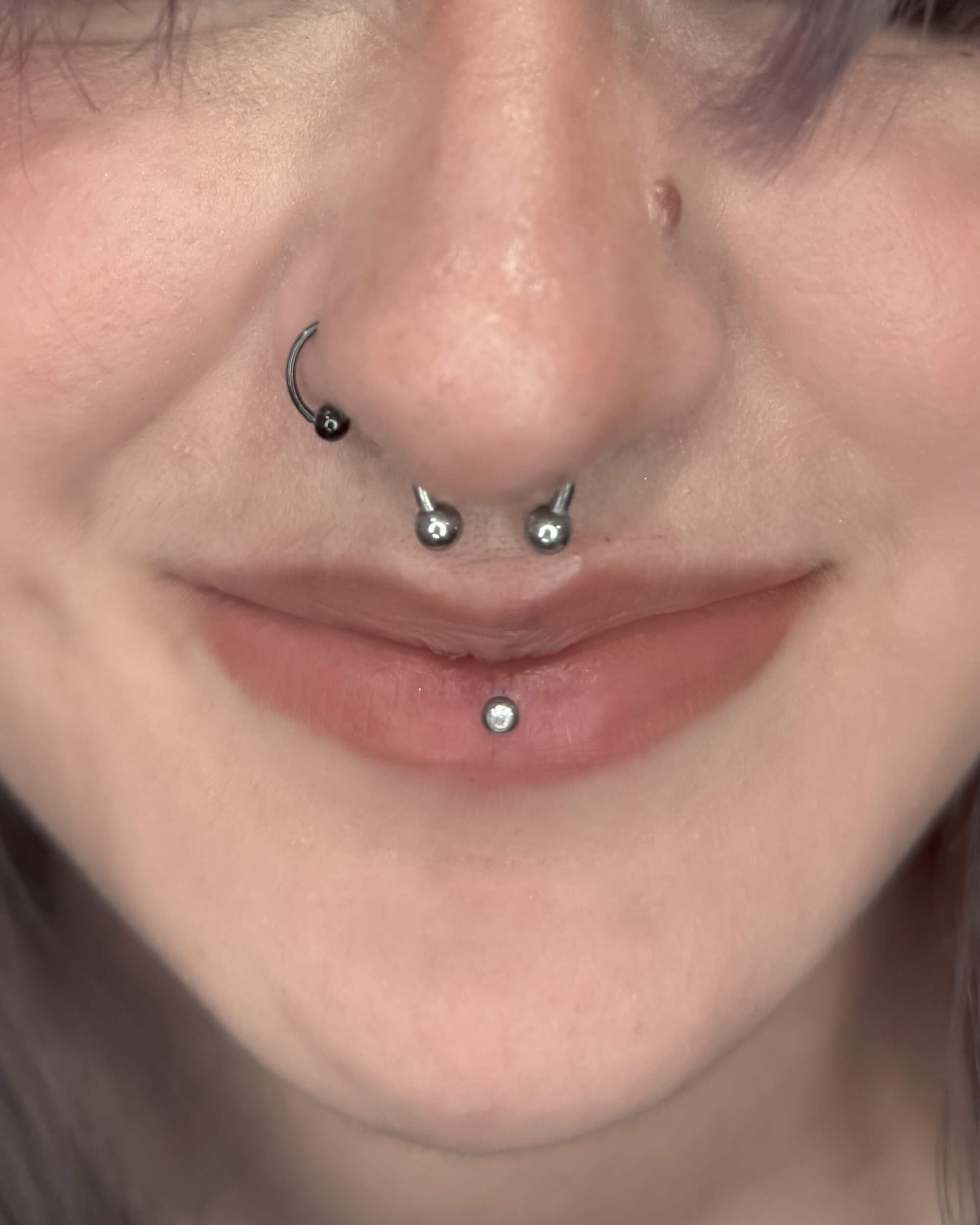
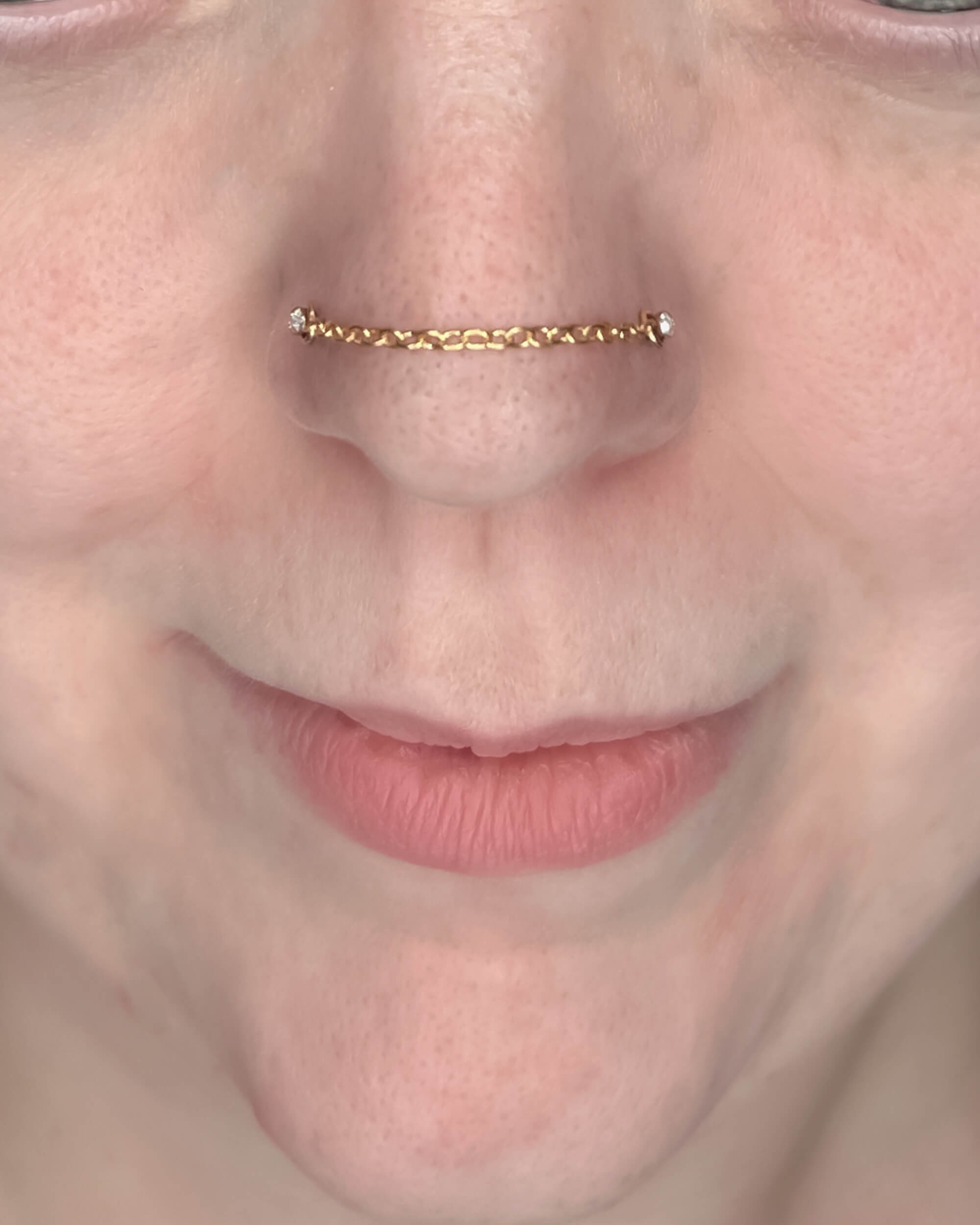
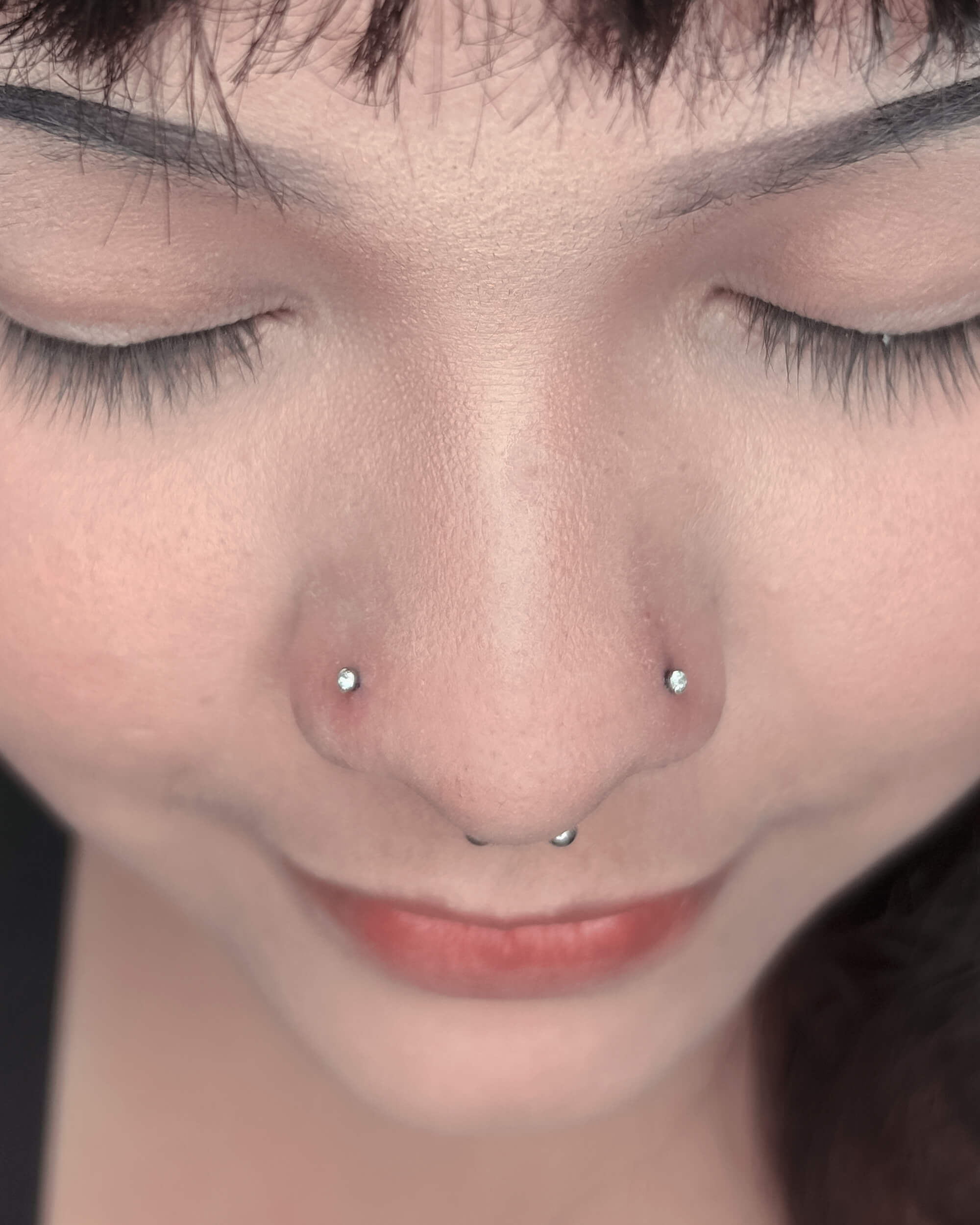
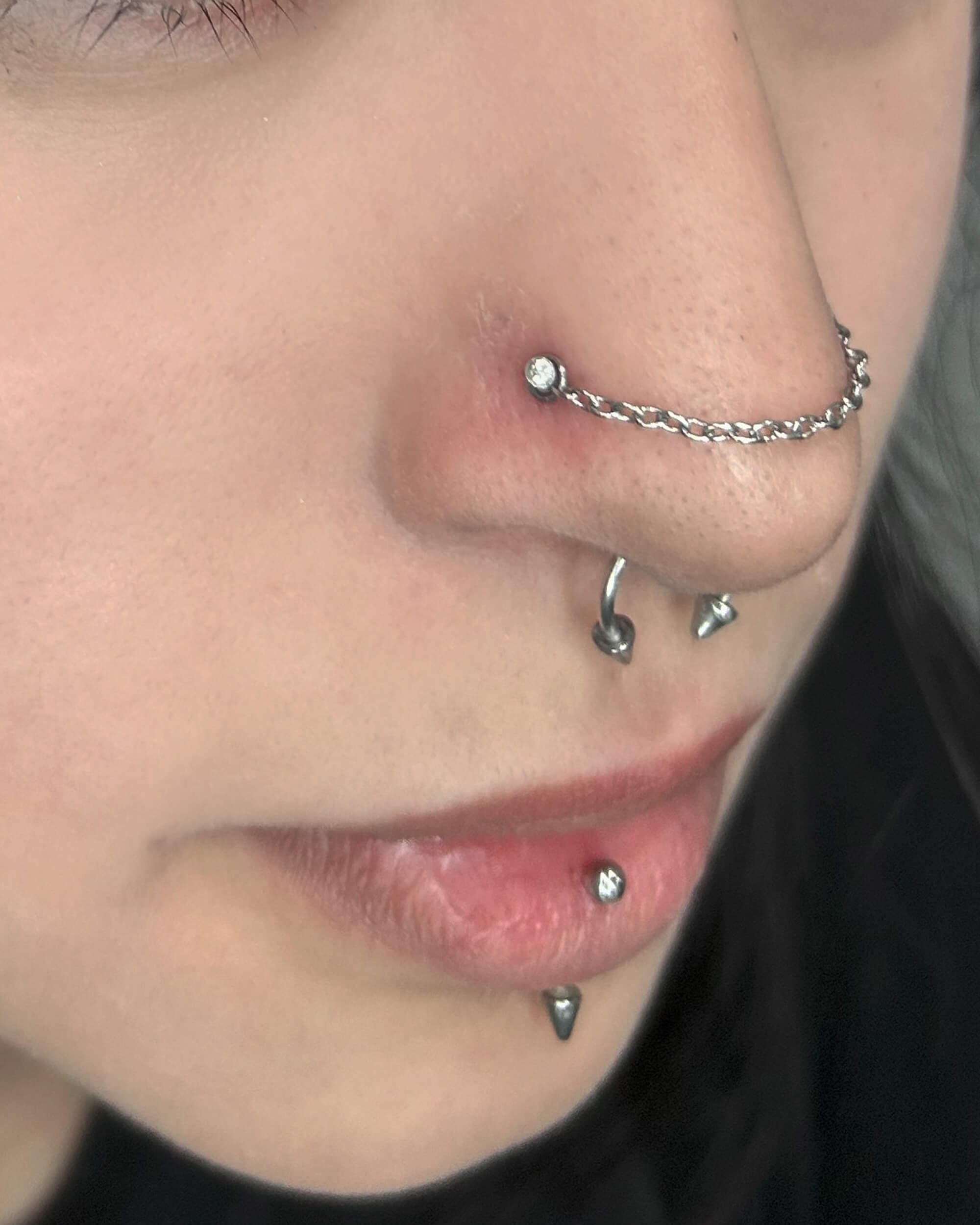
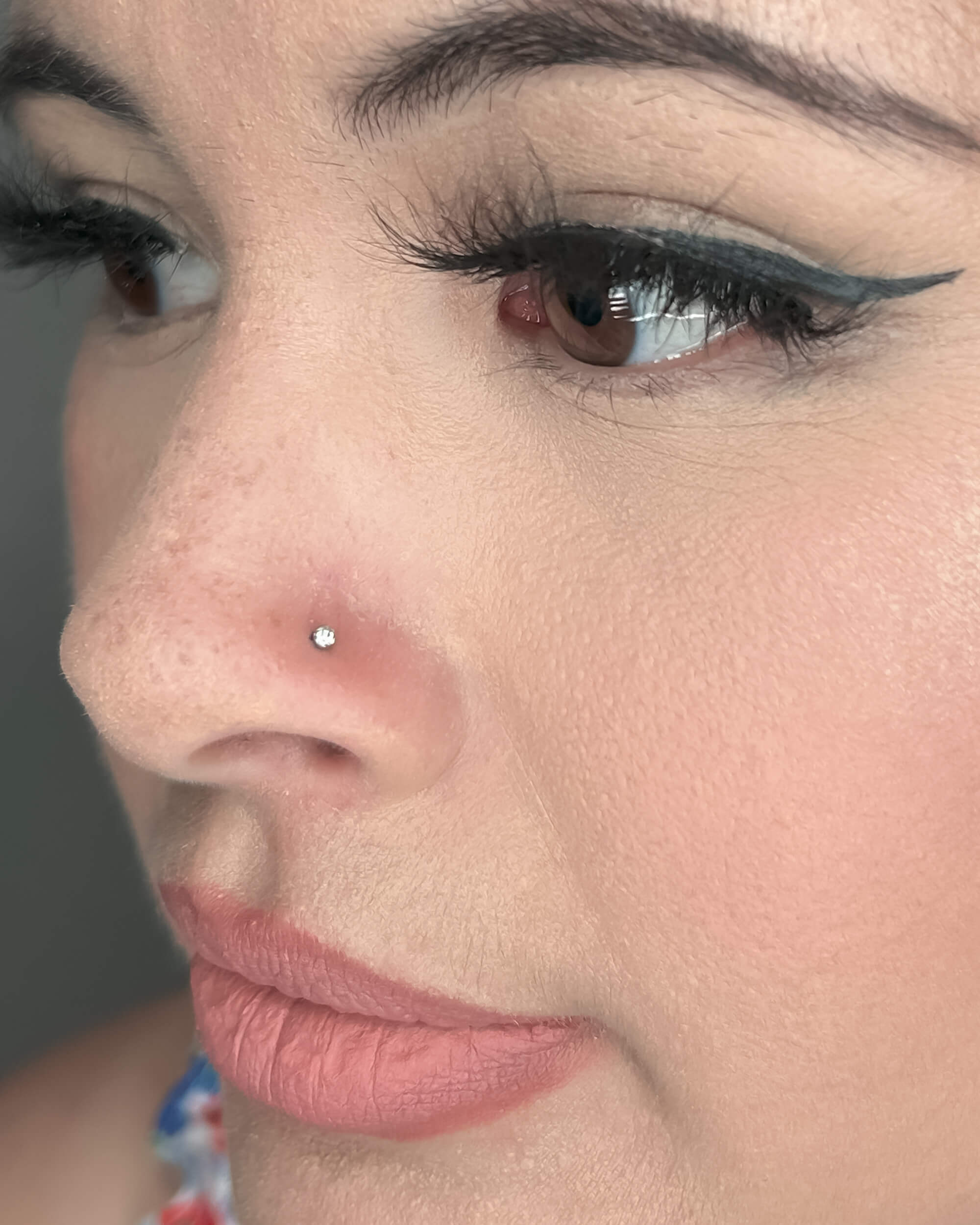
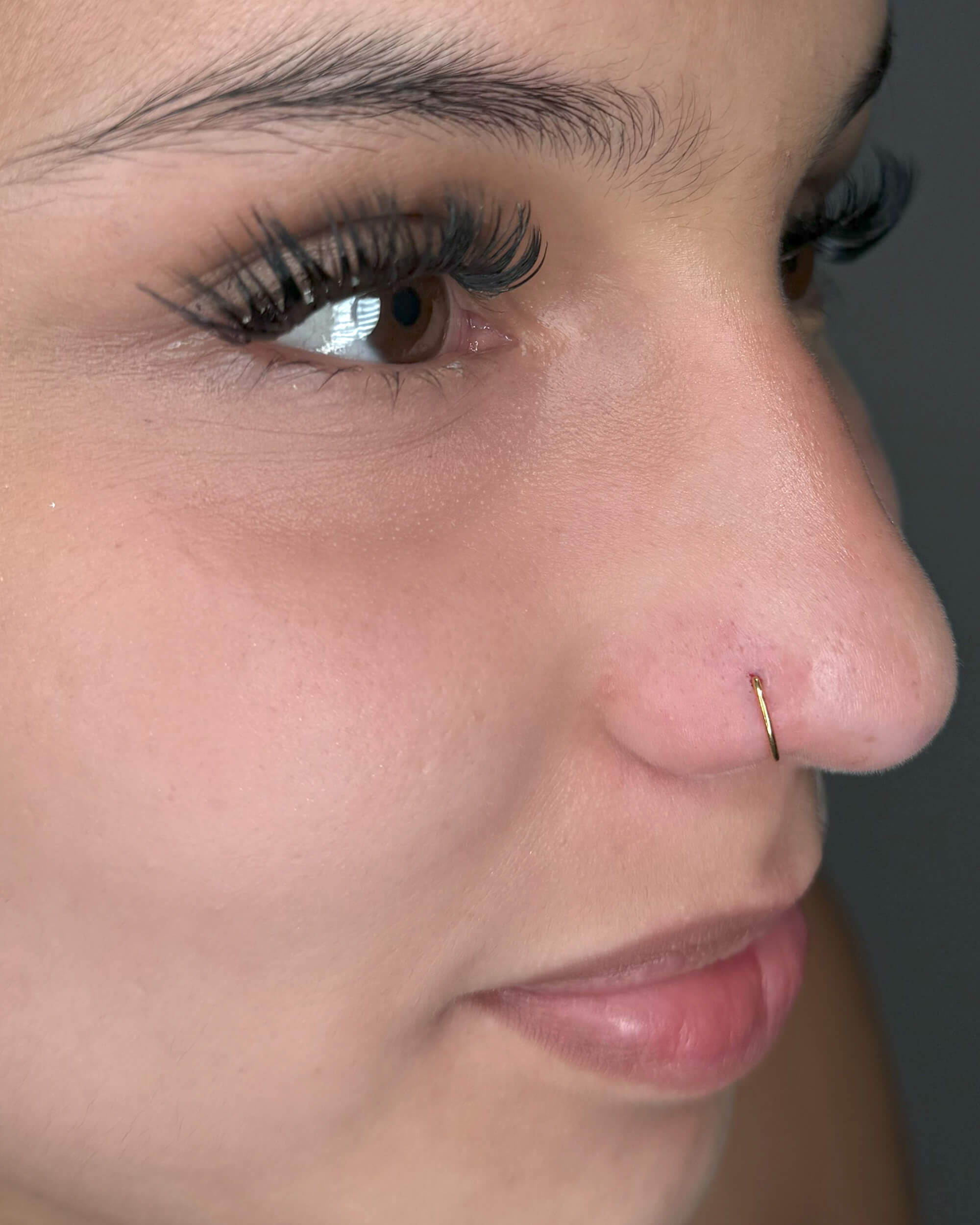
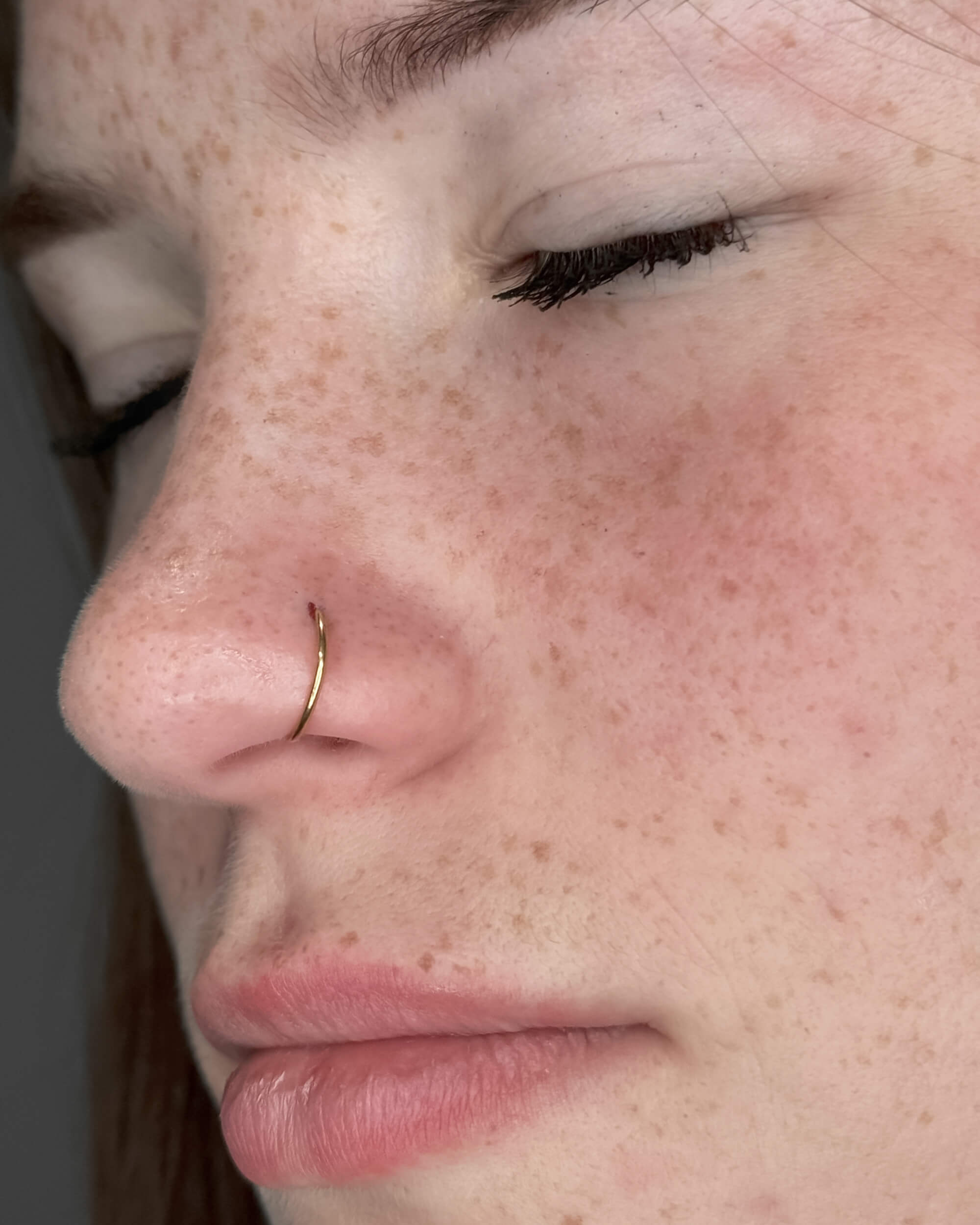
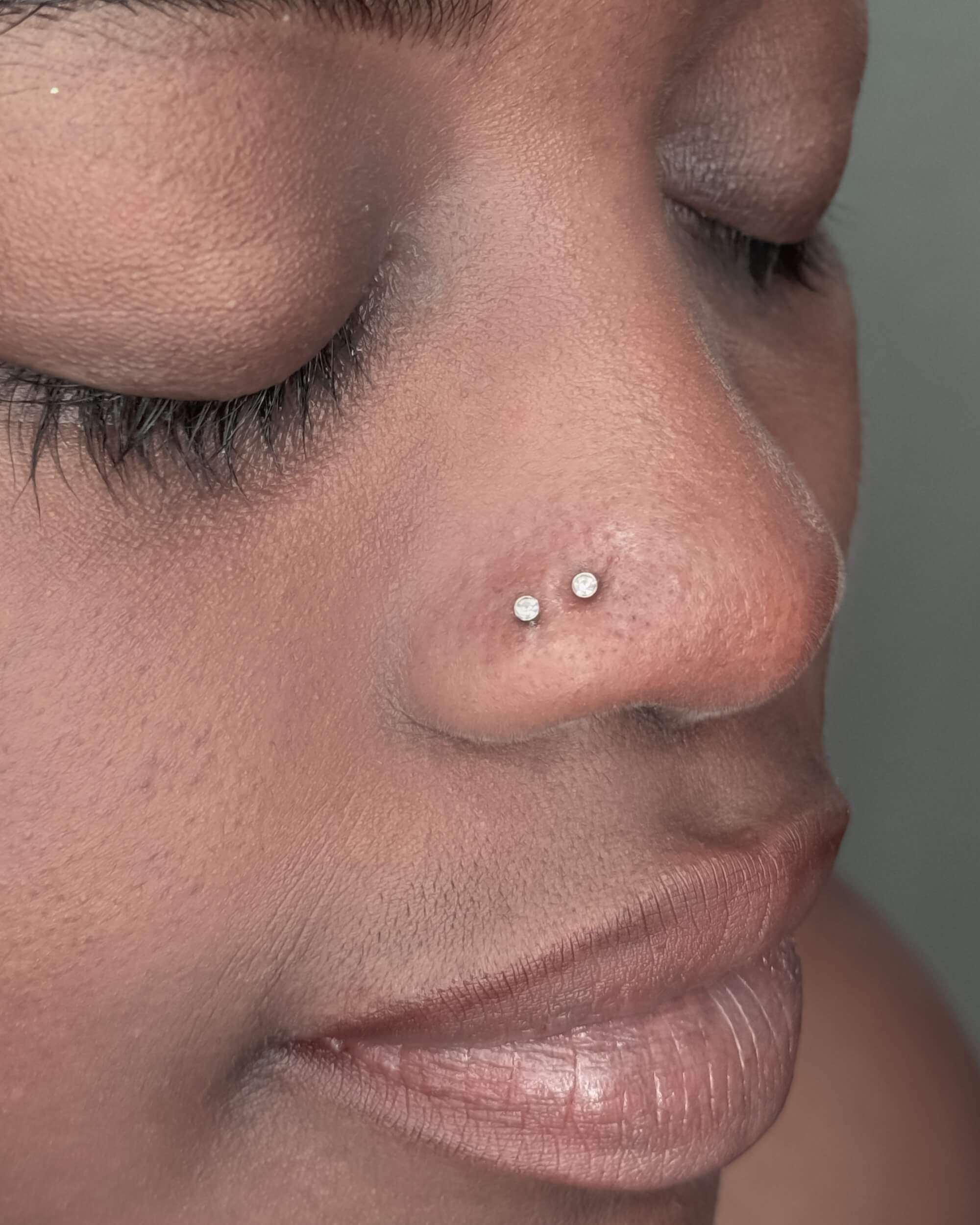
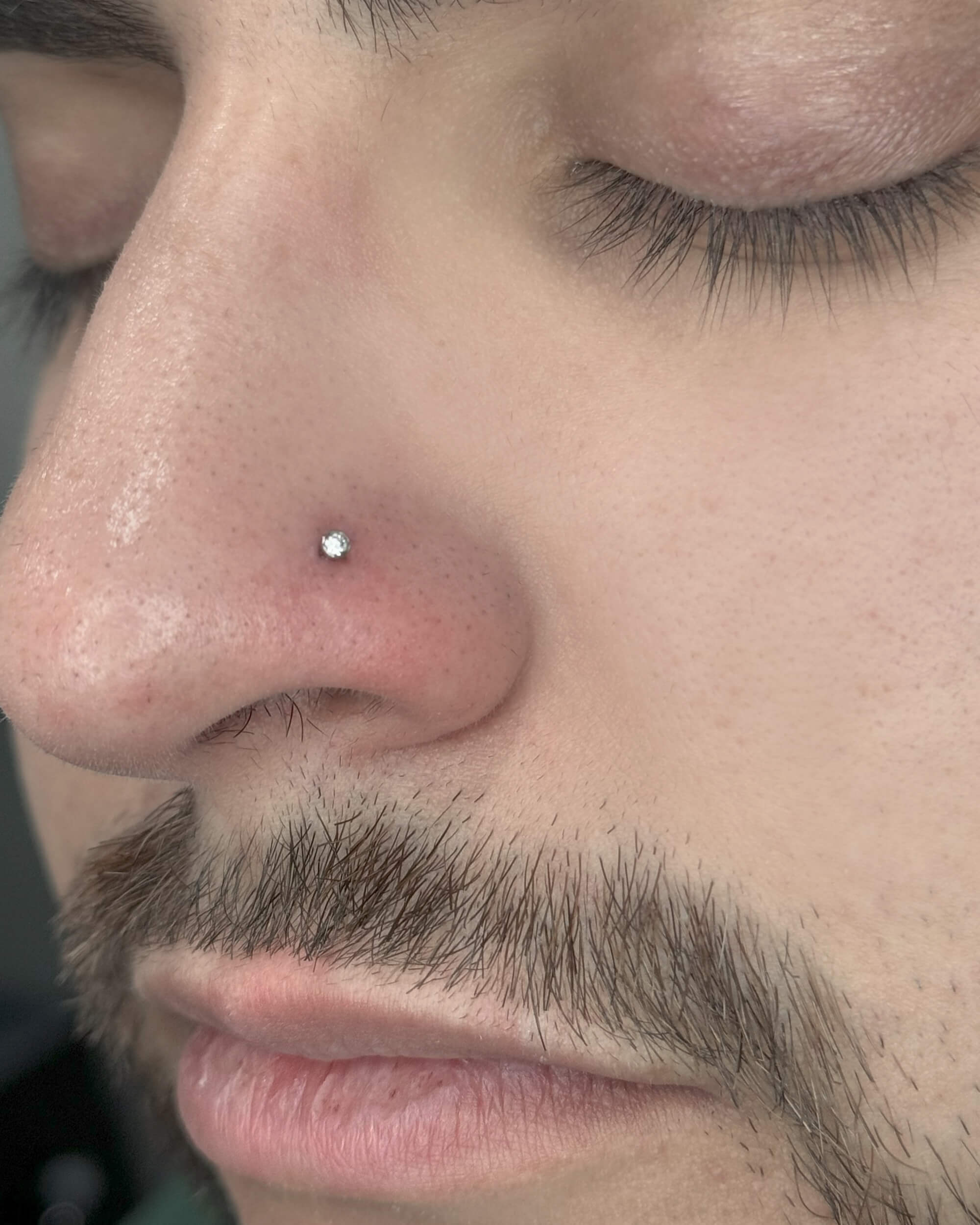
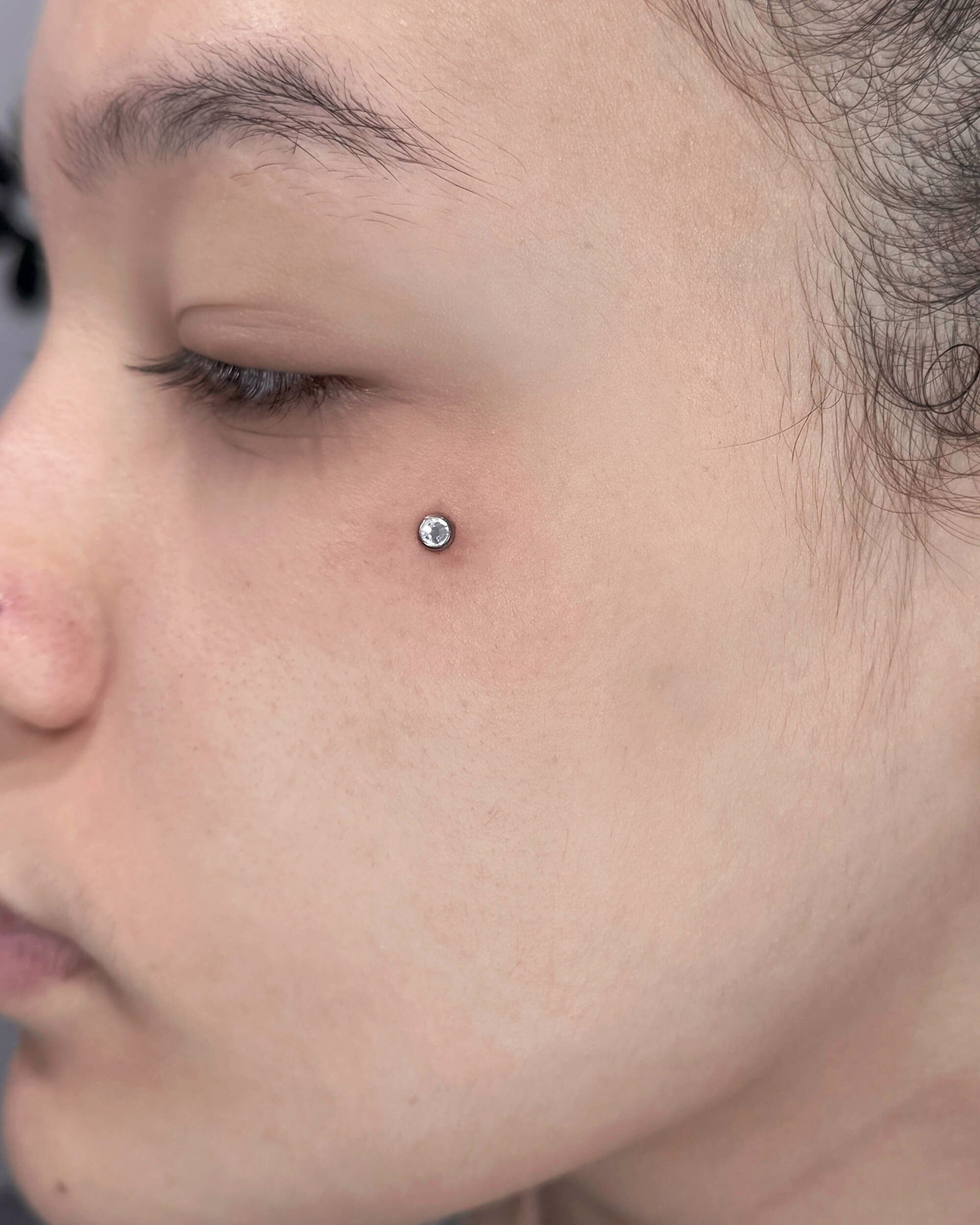
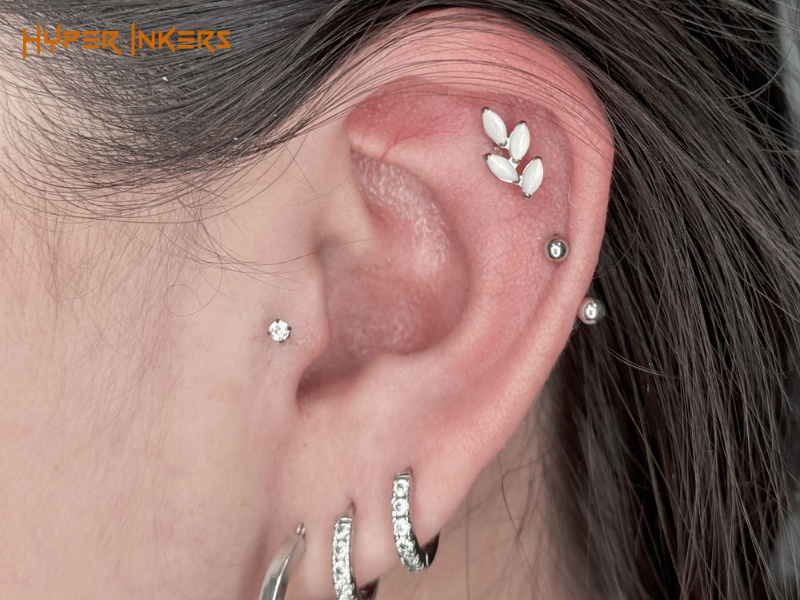
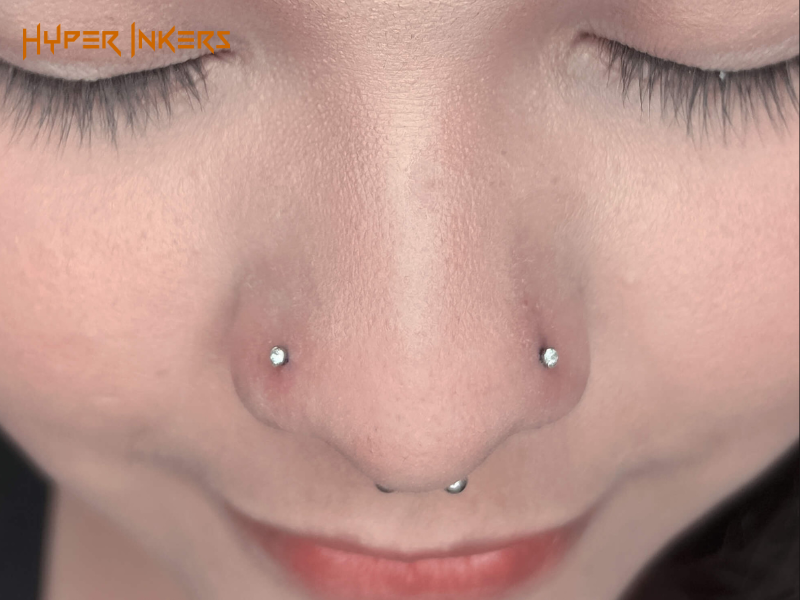
Nostril piercings are timeless classics that blend subtlety with striking elegance, making them one of the most popular facial piercings worldwide. This piercing typically involves placing a stud or hoop through the fleshy side of the nose, where the skin is soft yet resilient. The piercing sensation is usually described as a sharp pinch followed by mild soreness during the healing period. Healing generally takes about 2 to 4 months, faster than many cartilage piercings due to the nostril’s good blood supply. Therefore, selecting high-quality, implant-grade jewelry such as titanium or 14k gold is crucial for avoiding allergic reactions and promoting smooth healing. Aftercare for nostril piercing involves careful cleaning with saline solution, avoiding makeup or skincare products near the piercing, and resisting the urge to touch or twist the jewelry.
Septum Piercings
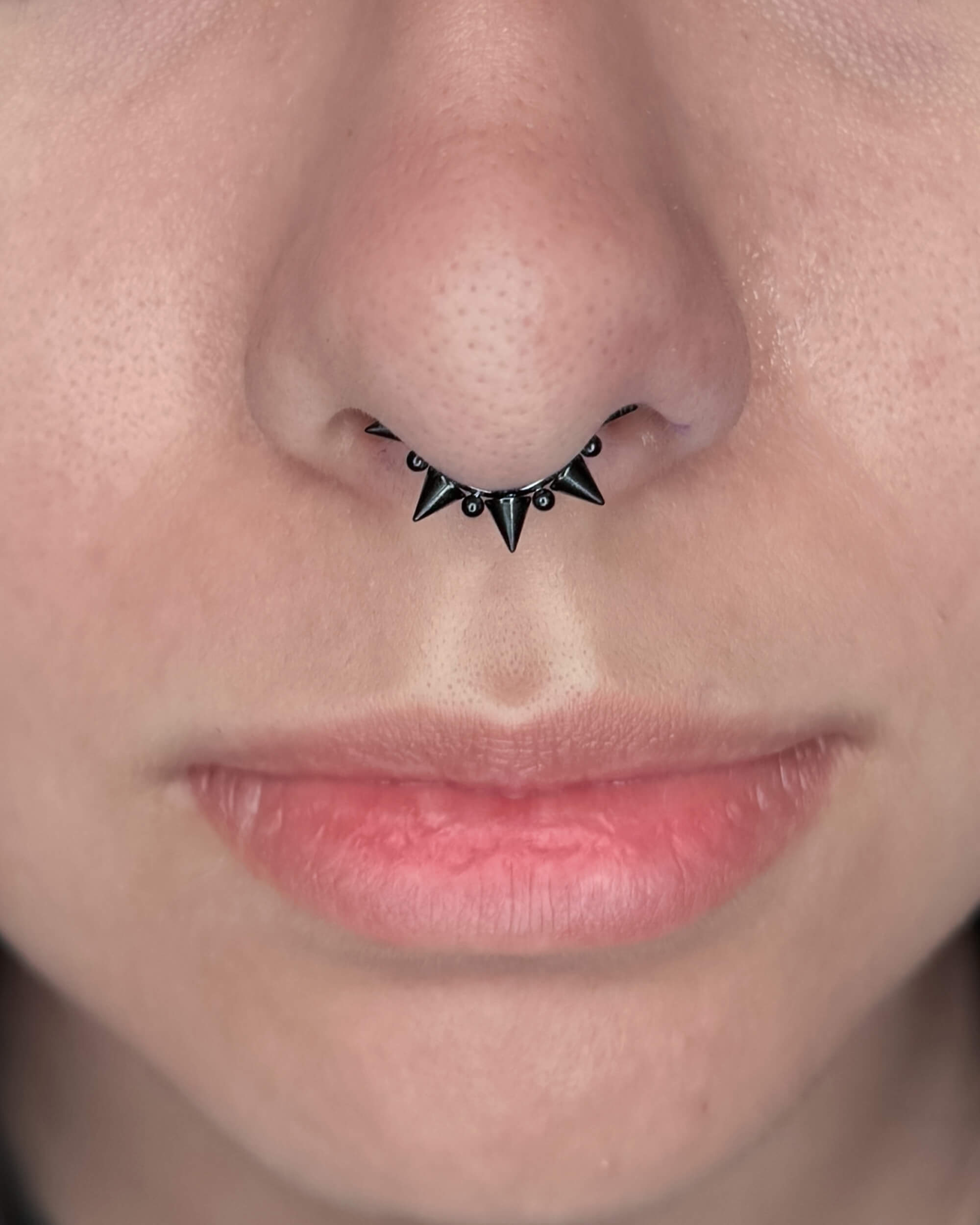
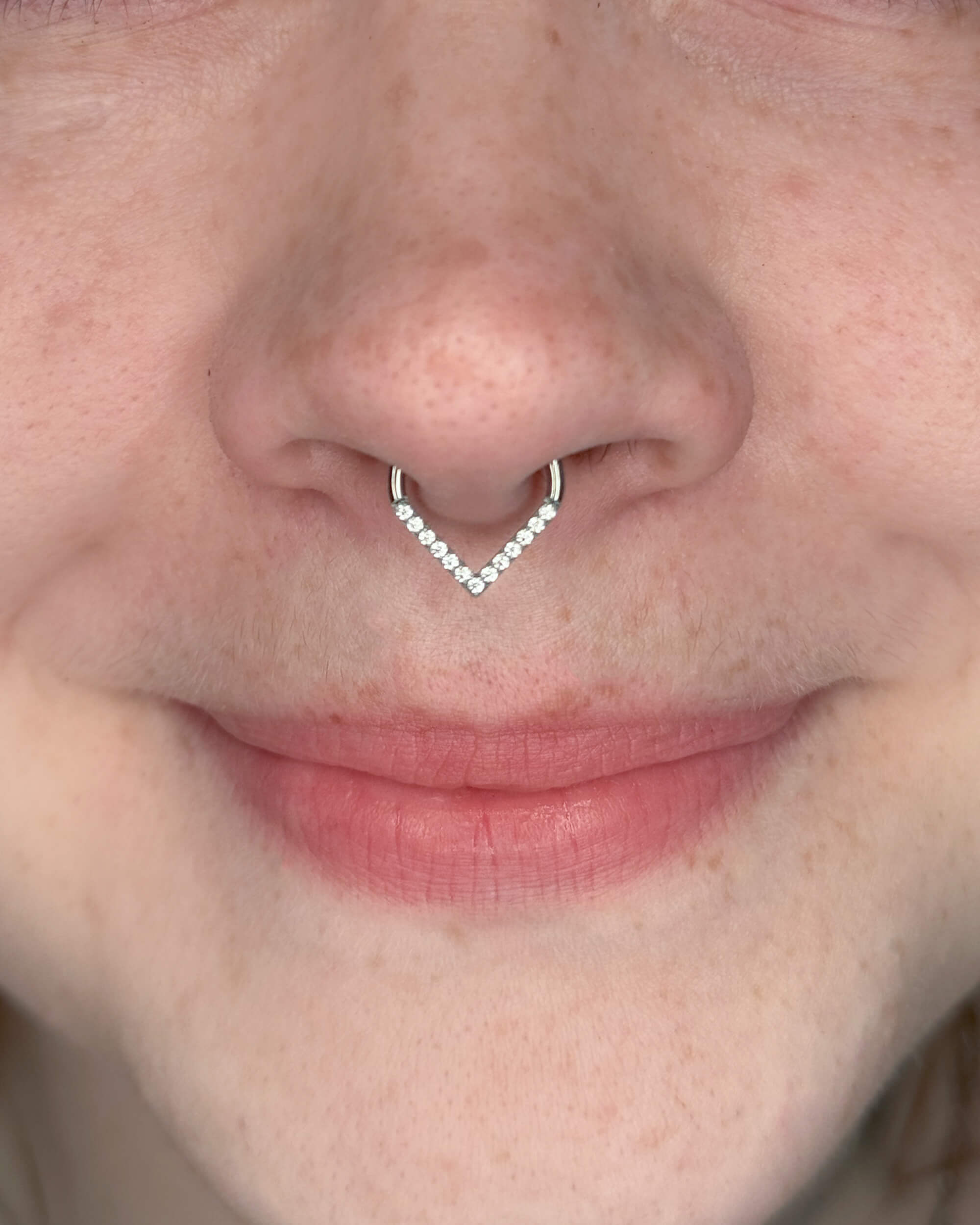
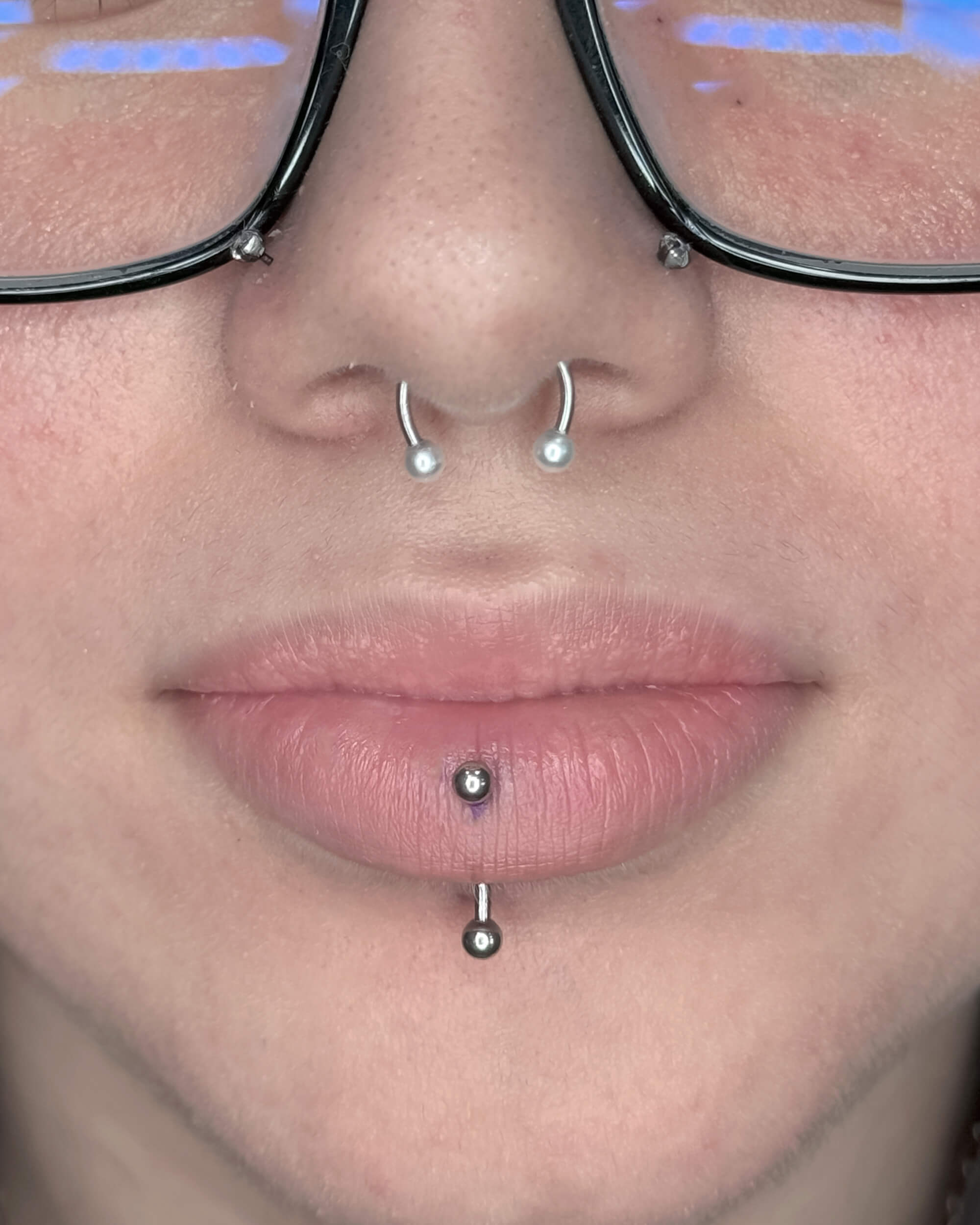
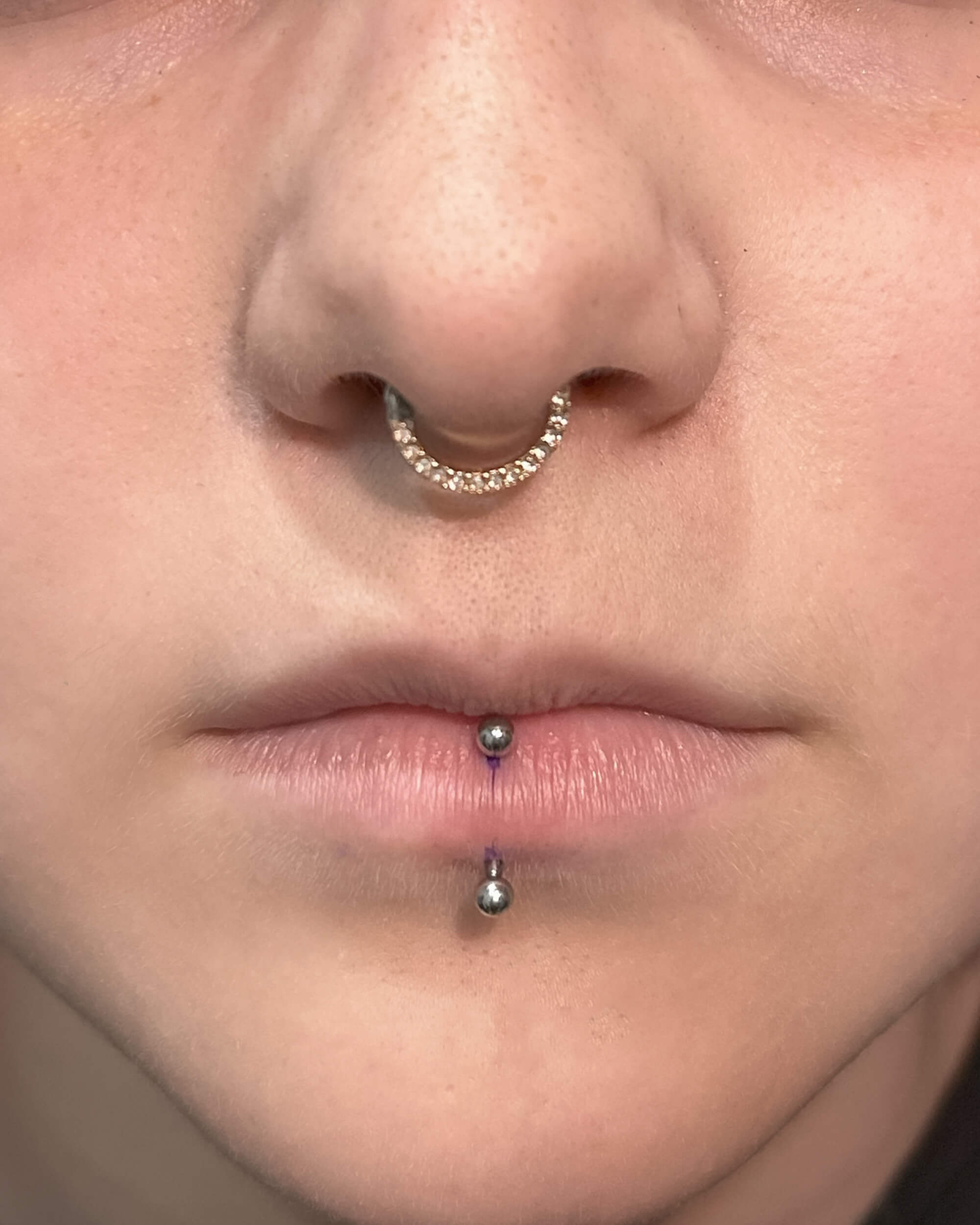
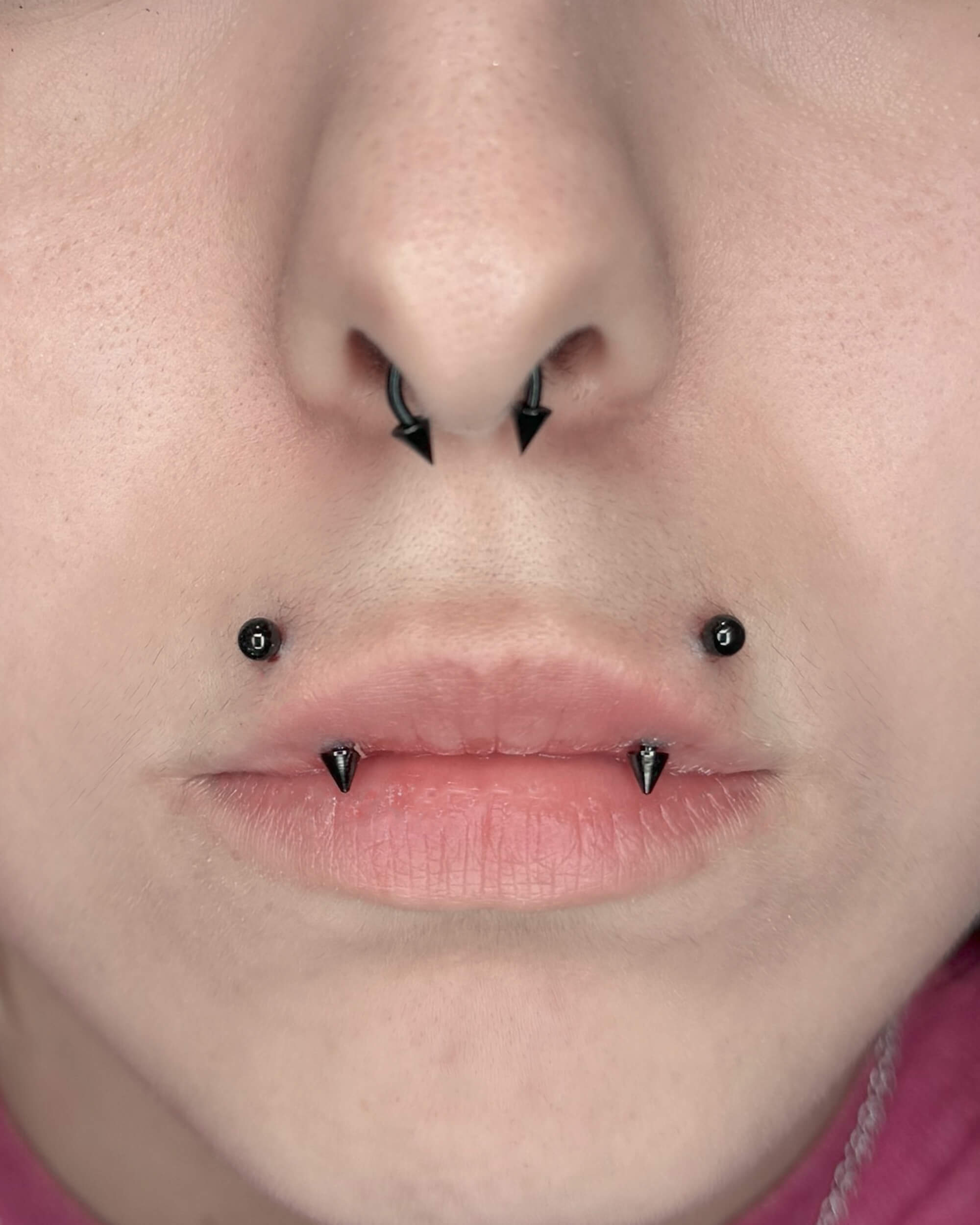
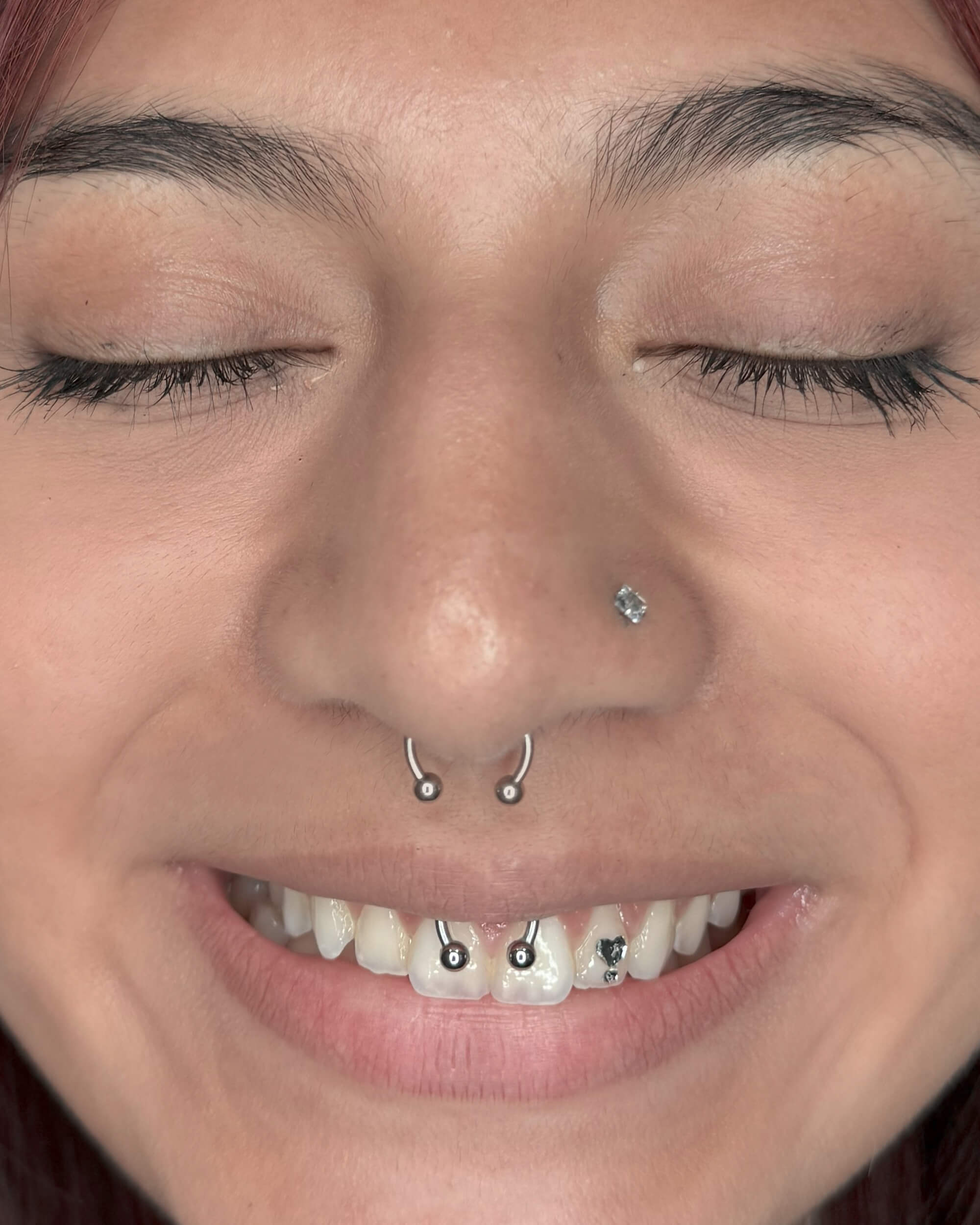
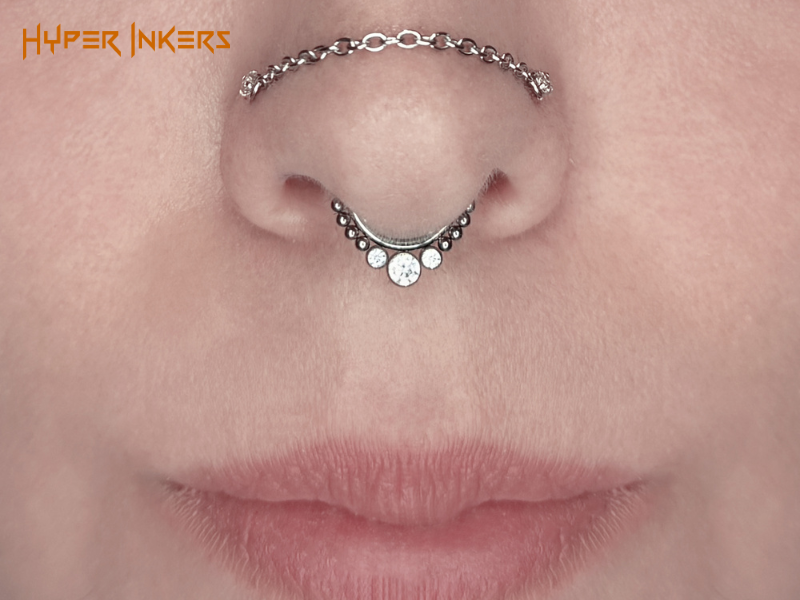
Septum piercings have surged in popularity thanks to their bold, versatile aesthetic and unique placement within the nose. Most people describe the sensation as a brief but sharp pinch, followed by moderate soreness during healing. Healing usually takes about 6 to 8 weeks for the initial phase, though full healing can run closer to 2 to 3 months depending on aftercare and your own anatomy. Because the septum sits inside the nose, aftercare includes regular saline rinses and avoiding nasal irritants such as smoke or strong fragrances. One of the septum piercings’ greatest advantages is its versatility, meaning it can be discreetly flipped up inside the nostrils or showcased with decorative rings, allowing wearers to easily switch between subtle and statement looks.
Piercings That May Be Challenging for Beginners
Some placements look tempting but make for rough first piercings, usually because they sit in stiff cartilage or in spots that constantly rub against clothing, and many take the better part of a year to settle. It is worth holding off on these until you have a healed piercing or two behind you.
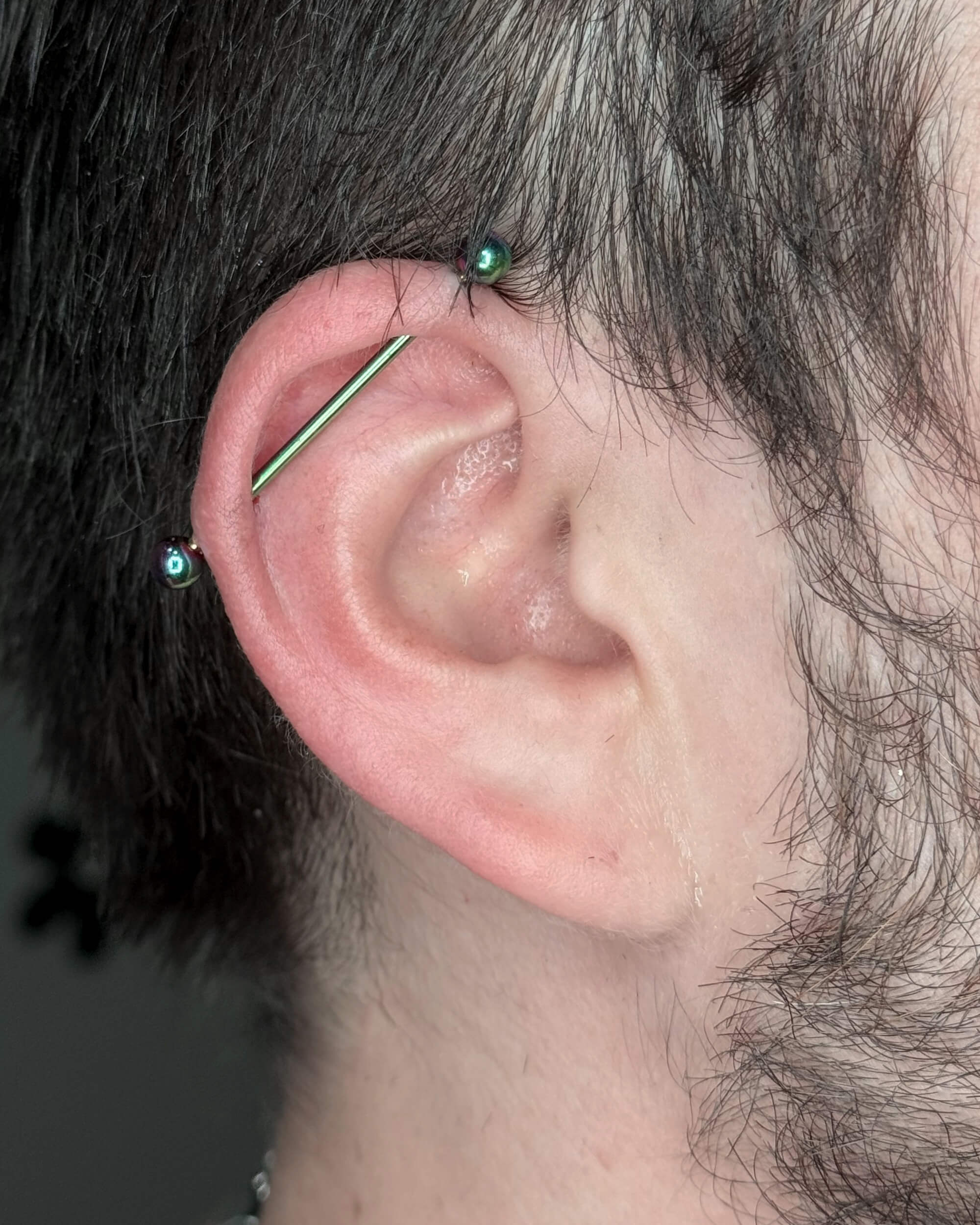
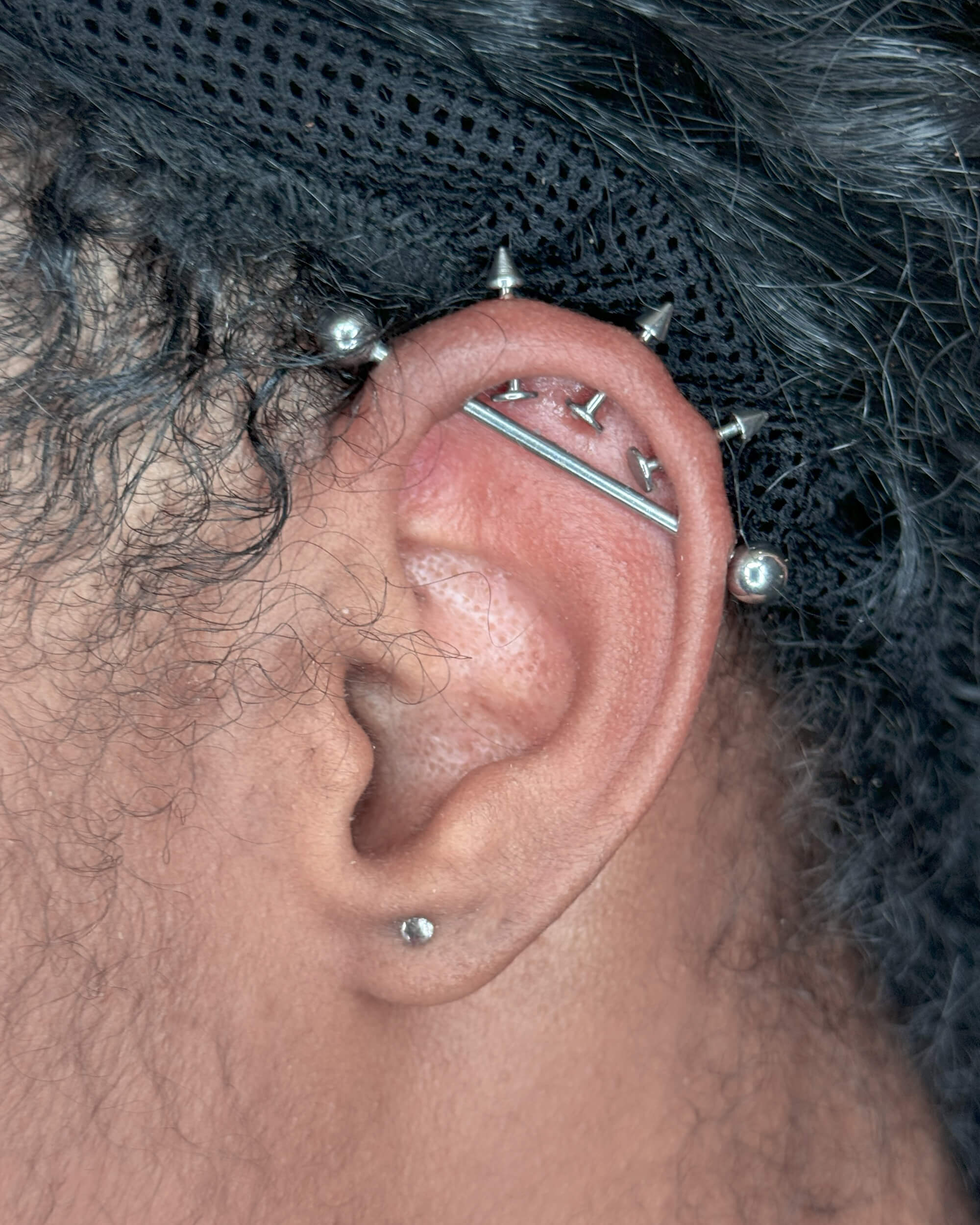
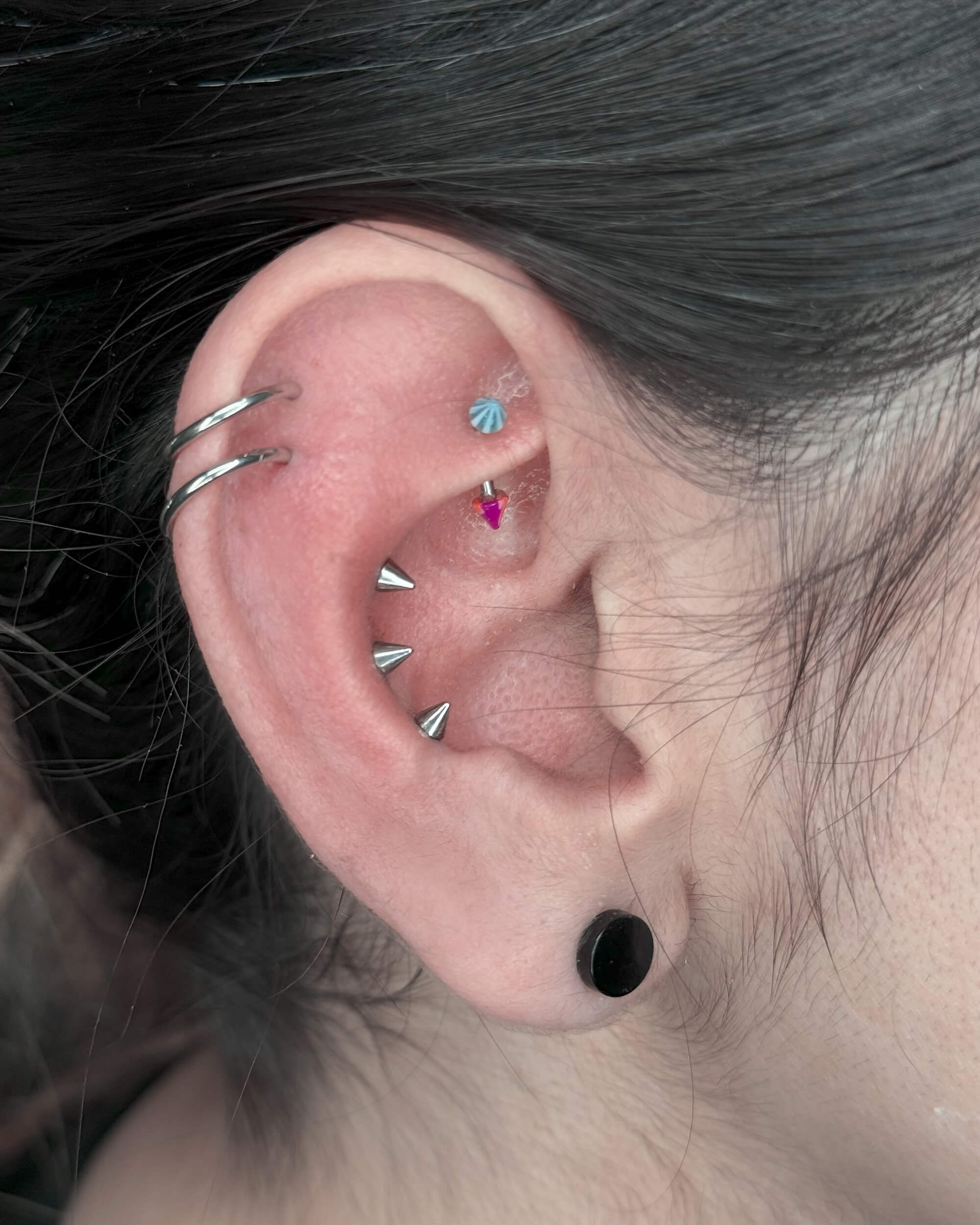
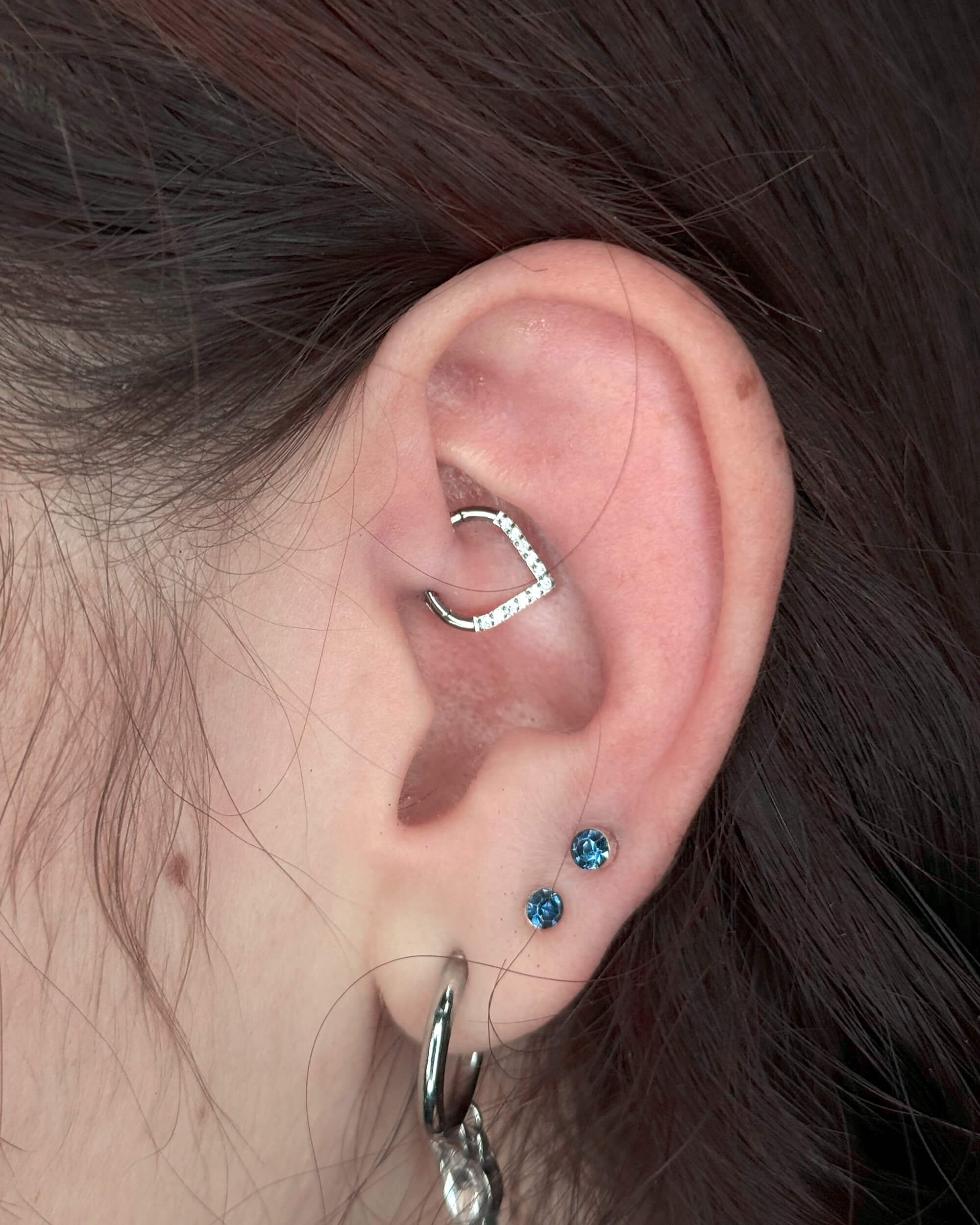
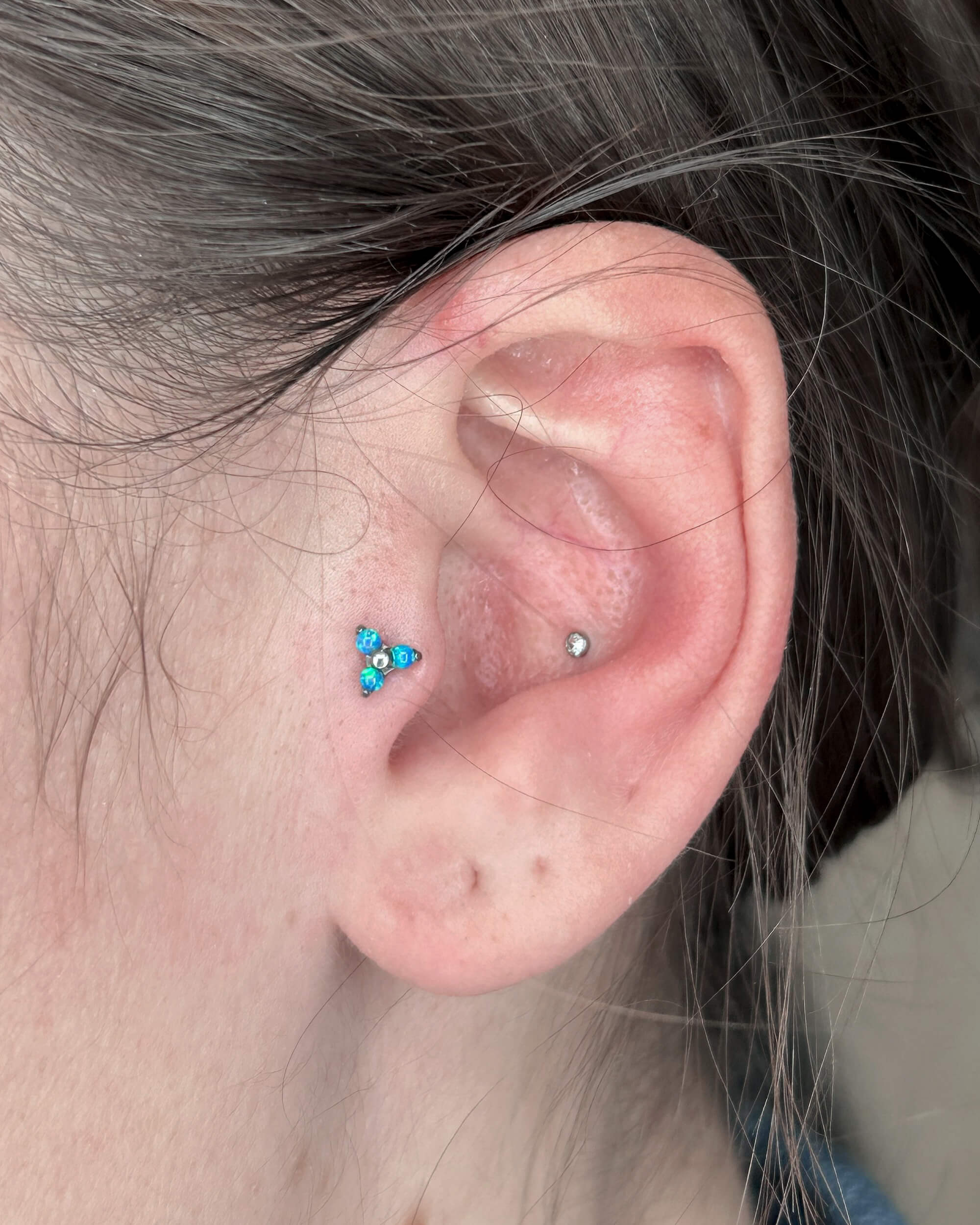
- Complex Cartilage Piercings: Complex cartilage piercings such as industrial, daith, rook, snug, and anti-tragus are generally not recommended for beginners. These piercing placements often double the healing challenges and extend the recovery time to 9-12 months or longer. Moreover, their position near sensitive nerves can result in constant pressure from surrounding tissue or movement.
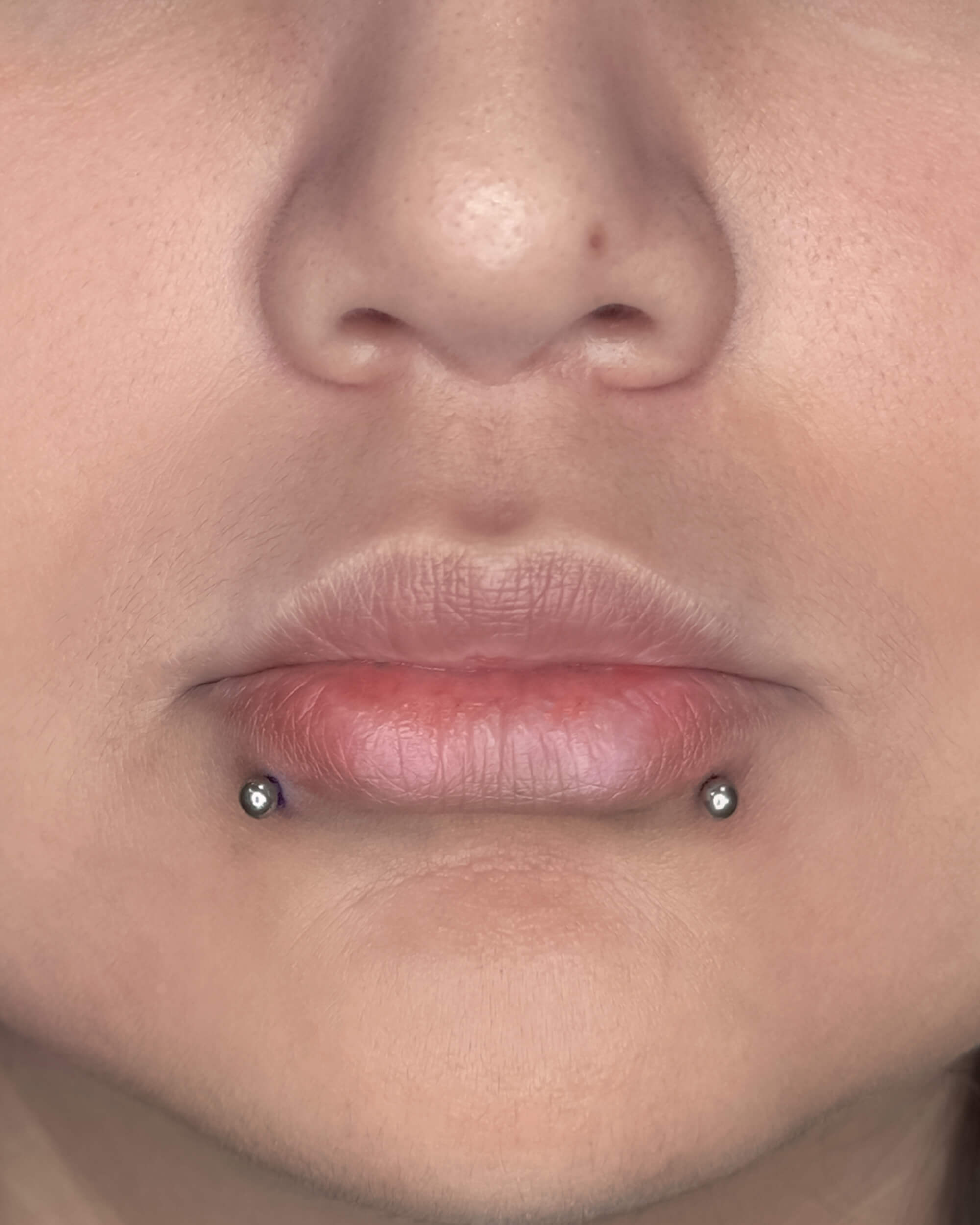
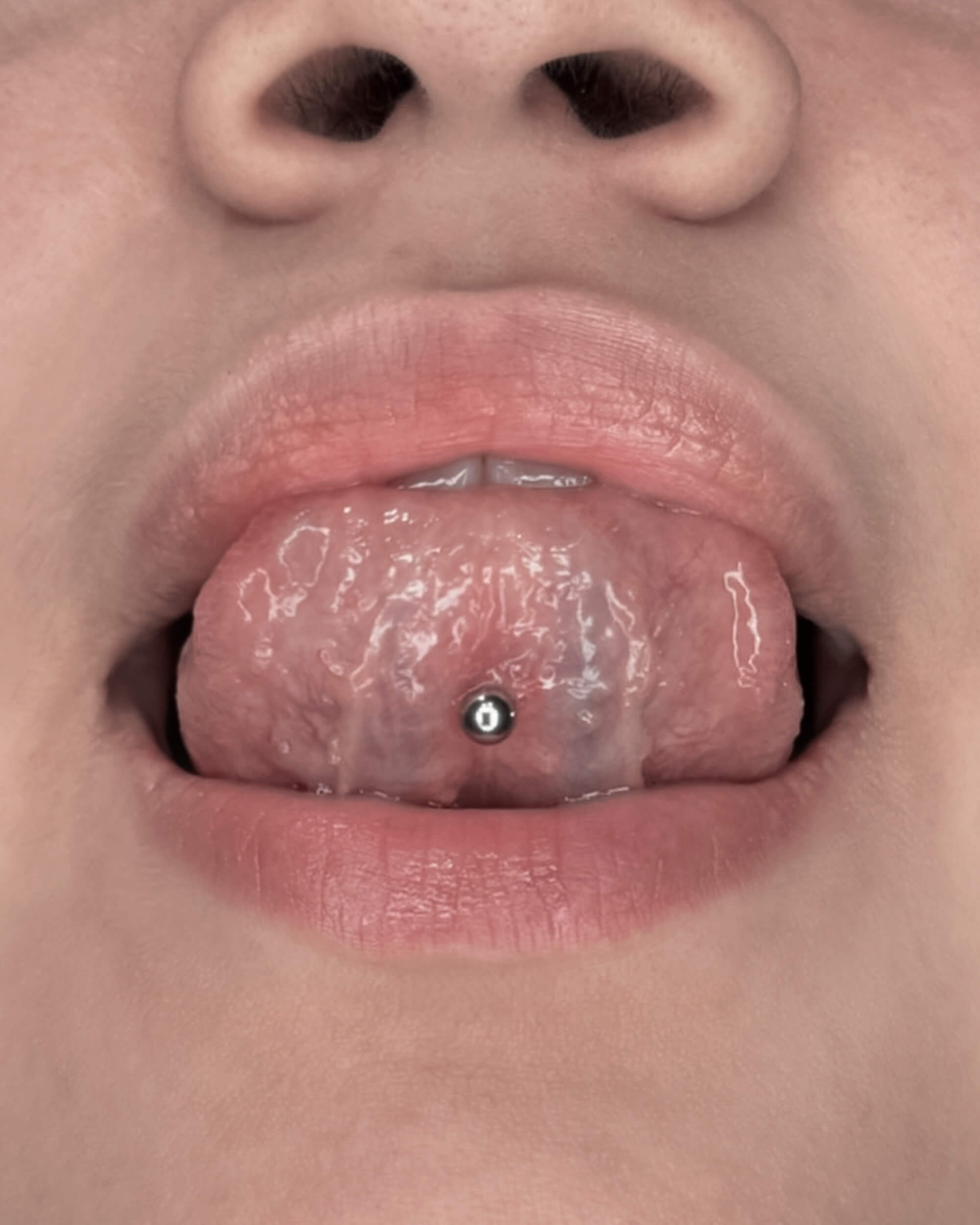
- Tongue Piercings: The significant initial swelling, speech impacts, and specialized eating requirements during healing make tongue piercings difficult first experiences.
- Additionally, the oral environment presents unique contamination challenges requiring stringent hygiene protocols.
- Nape and Chest Surface Piercings: Placements in high-movement areas face consistent irritation from clothing and daily activities, creating healing complications that test even experienced modification enthusiasts.
Choosing Hyper Inkers in San Antonio for Your First Experience
The success of your first piercing depends significantly on the professional who performs it. Finding a qualified, experienced piercer establishes the foundation for a positive modification journey. At Hyper Inkers in San Antonio, we understand that your first experience sets the tone for your entire relationship with body modification. Here’s what we offer our clients:
- Specialized Beginner Consultations: We understand that first-time clients have unique needs and concerns. Our consultation process specifically addresses anxiety, pain expectations, and lifestyle considerations to ensure you choose the ideal first piercing.
- Quality Jewelry Selection: We stock exclusively implant-grade materials from reputable manufacturers, ensuring your initial jewelry supports rather than hinders healing. Our selection includes various styles to match your aesthetic preferences while prioritizing healing success.
- Ongoing Support: Your relationship with us doesn’t end when you leave the chair. We provide unlimited follow-up consultations, professional jewelry changes once your piercing has healed, and troubleshooting support throughout your healing journey.
- San Antonio’s Trusted Choice: As one of San Antonio’s premier piercing destinations, we’ve built our reputation on successful first piercing experiences that set clients up for continued success in their body modification journey.
FAQs About Piercings
Can I get multiple piercings at once if I’m a beginner?
As a beginner, getting multiple piercings at once is possible, but it’s important to proceed with caution. Your body will have to heal several wounds simultaneously, which can increase discomfort and requires diligent aftercare. It’s best to discuss your plans with a professional piercer who can assess your anatomy and recommend the safest approach.
Which facial or body piercing locations are less likely to interfere with daily activities and lifestyle?
Facial and body piercings that are less likely to interfere with daily activities typically involve areas with minimal movement and low risk of catching on clothing or accessories. For beginners, earlobe piercings are the easiest as they heal relatively quickly and rarely cause discomfort during everyday tasks. On the body, piercings on fleshy, low-friction areas like the navel are usually less intrusive. Avoiding piercings on joints, fingers, or highly mobile areas reduces the chance of irritation or snagging.
Is the navel a good first piercing?
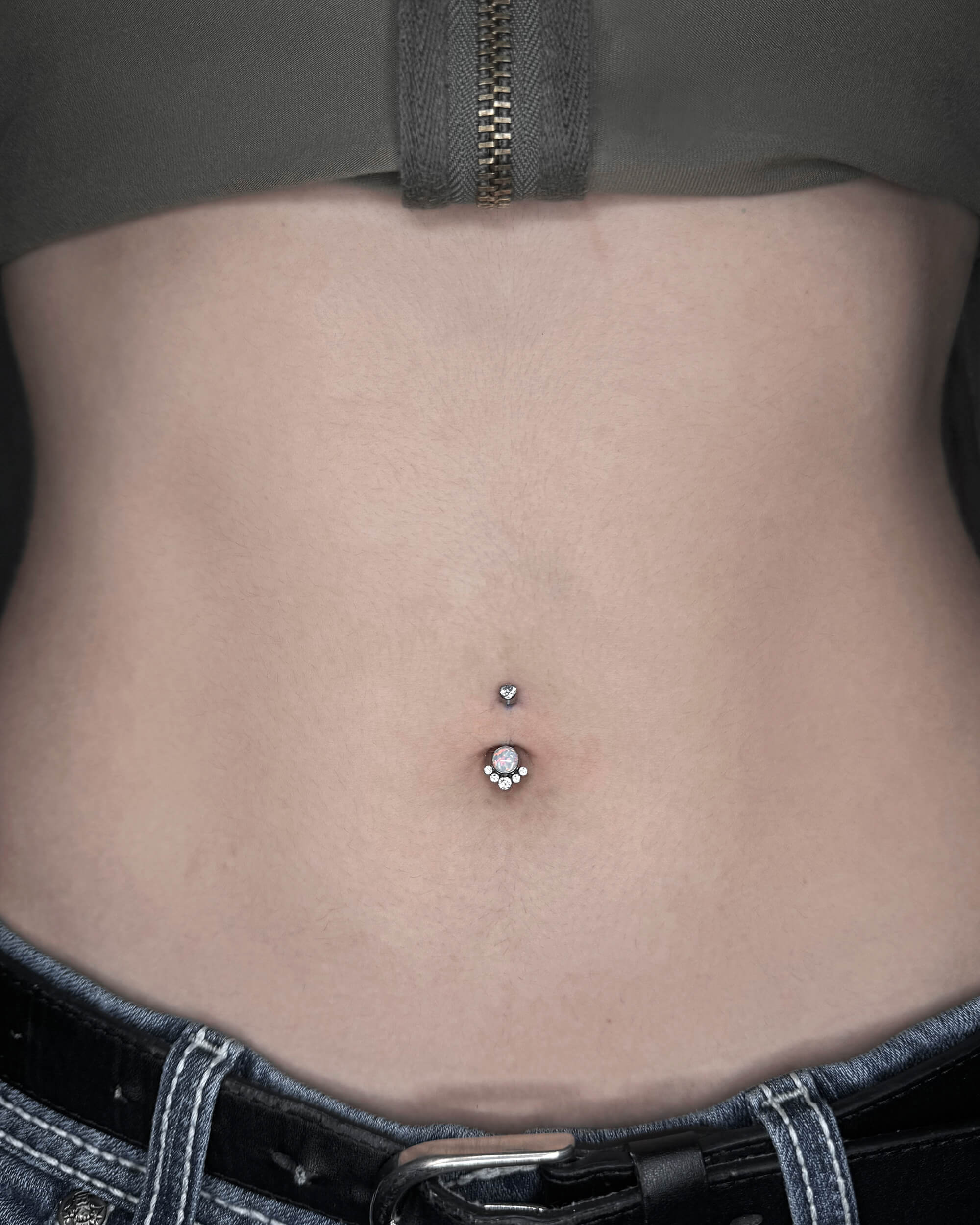
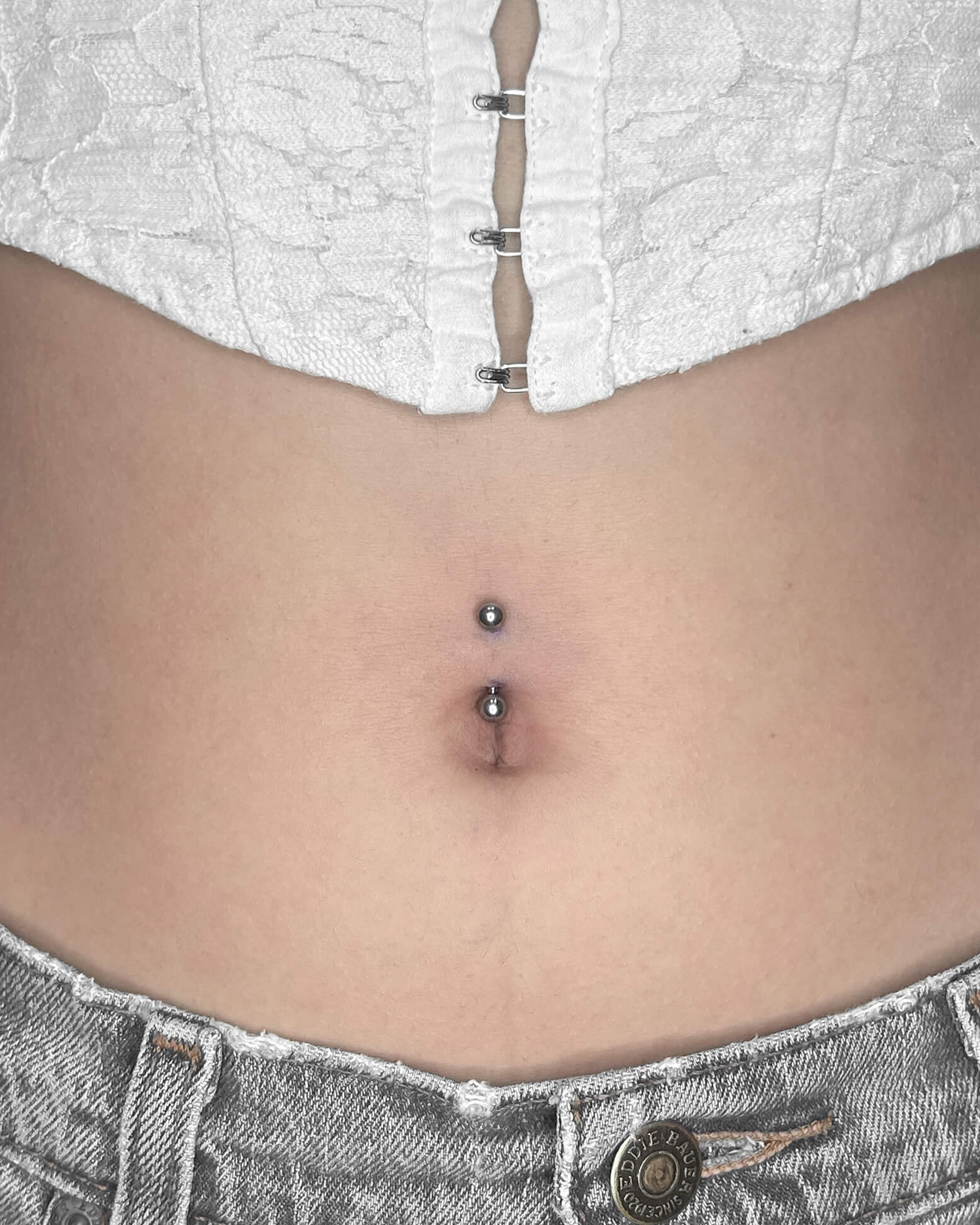
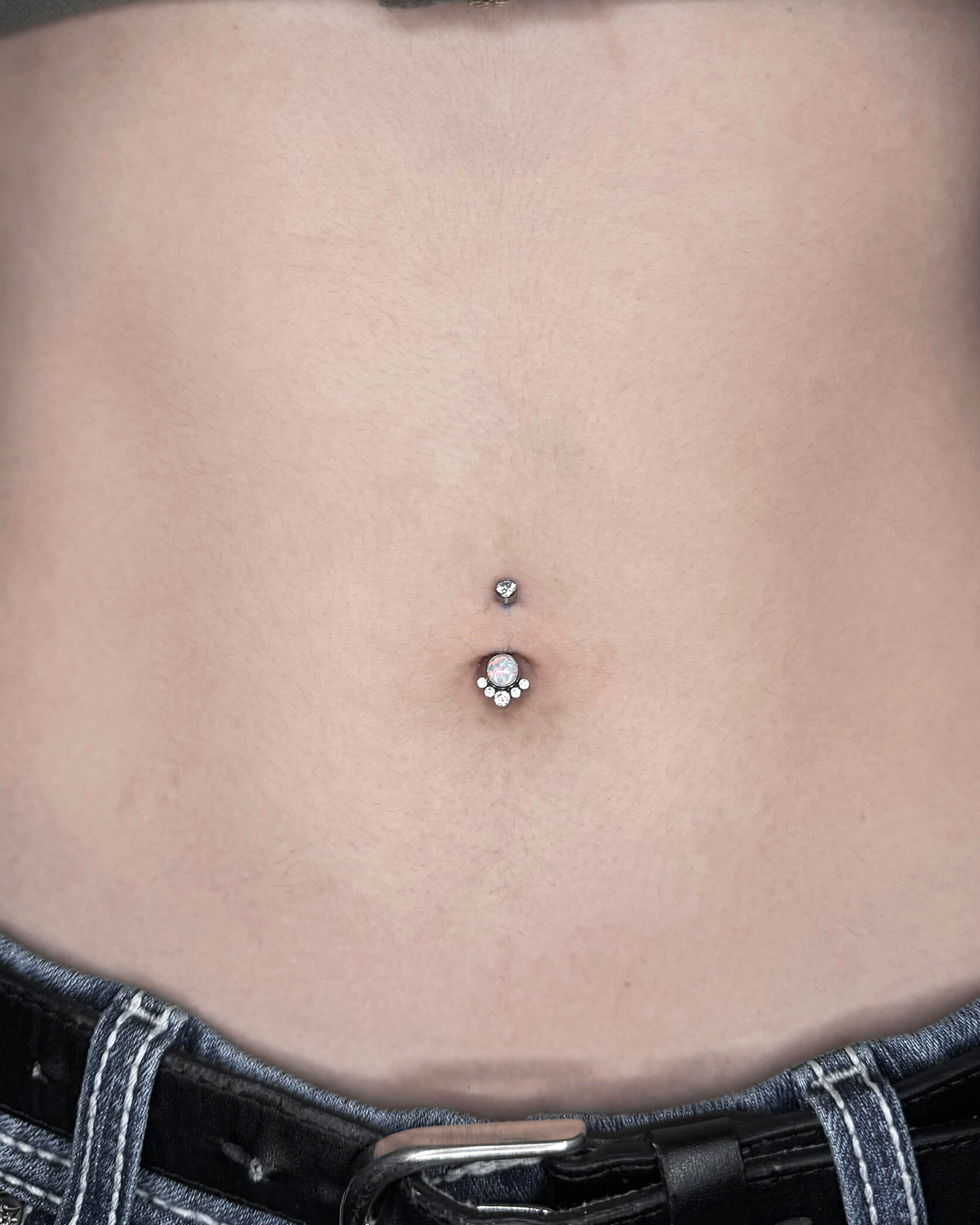
The navel is one of the friendlier body piercings to start with, since it sits in soft tissue and stays out of the way of most everyday movement. The trade-off is patience. A navel piercing heals more slowly than an earlobe, often taking around 4 to 6 months, so it rewards steady aftercare and loose clothing while it settles.
There is no single best first piercing. The right one matches your pain tolerance, your daily routine, and how much aftercare you are ready to commit to, and for most people new to piercing an earlobe or nostril is the easiest place to start. Keep in mind that the “best” first piercing is ultimately one that aligns with your personal preferences while setting you up for healing success. Visit our piercing studio in San Antonio for a one-on-one consultation about your first piercing. Our experienced team provides comprehensive assessments, quality jewelry, and ongoing support while it heals.