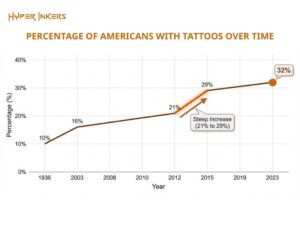
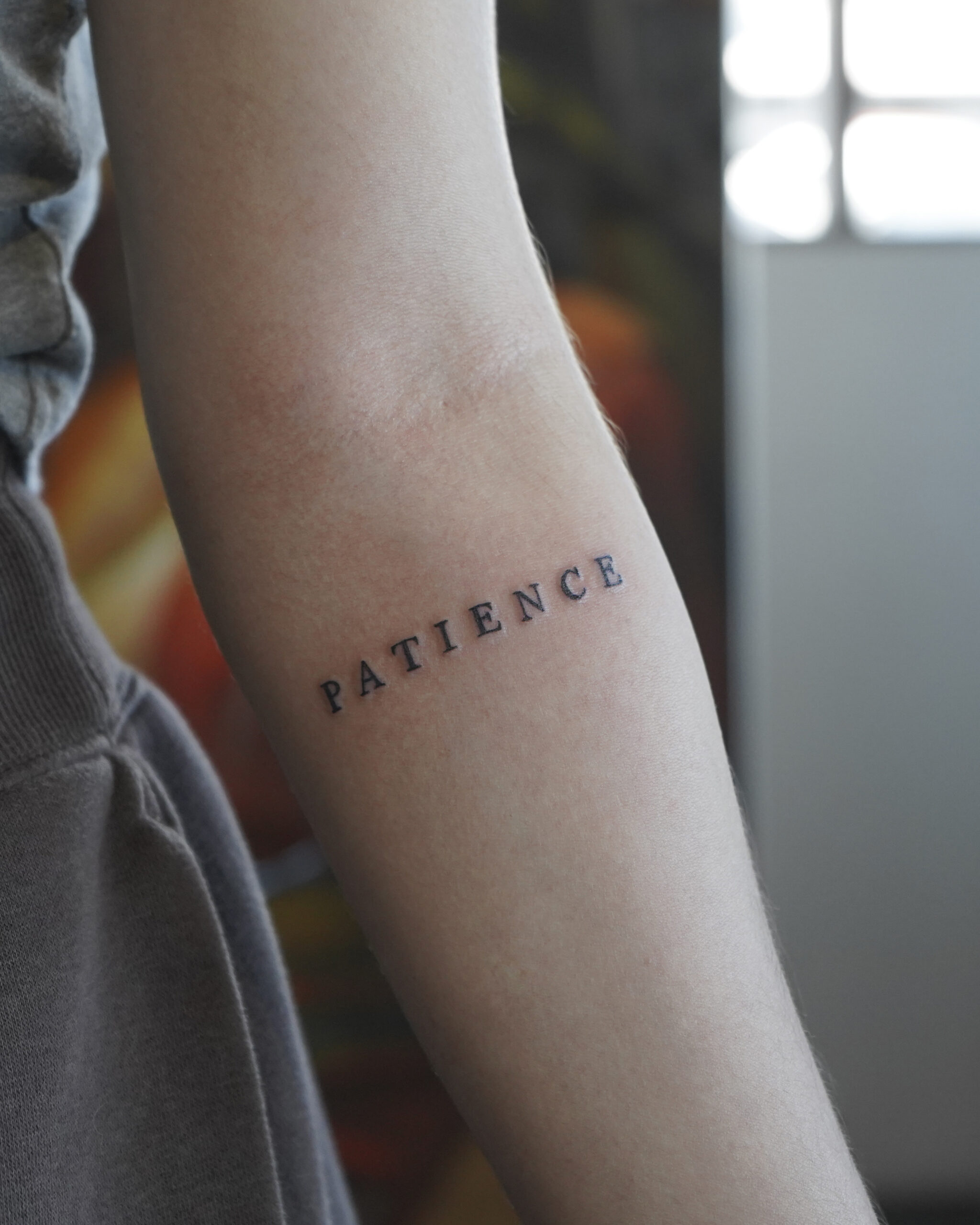
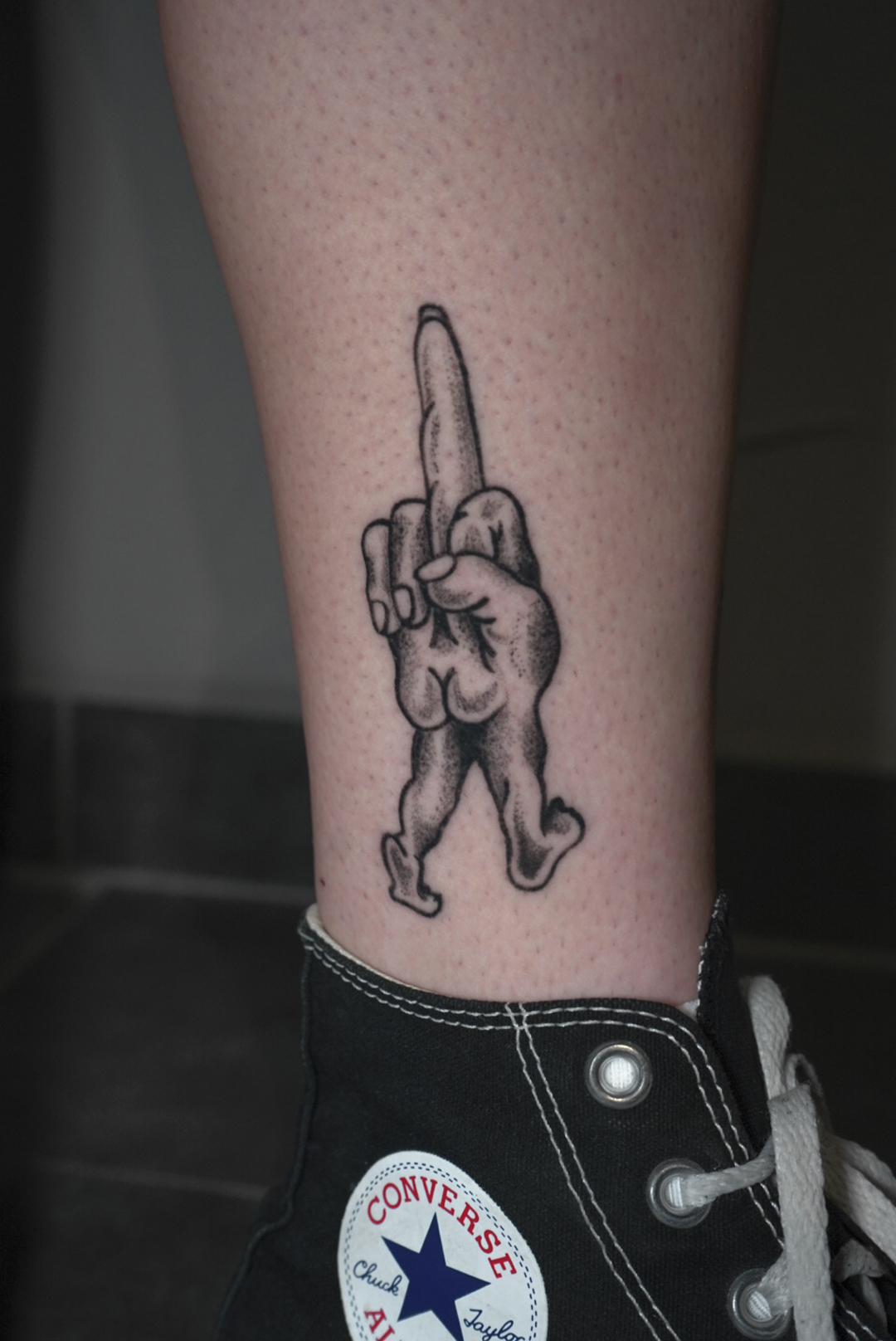
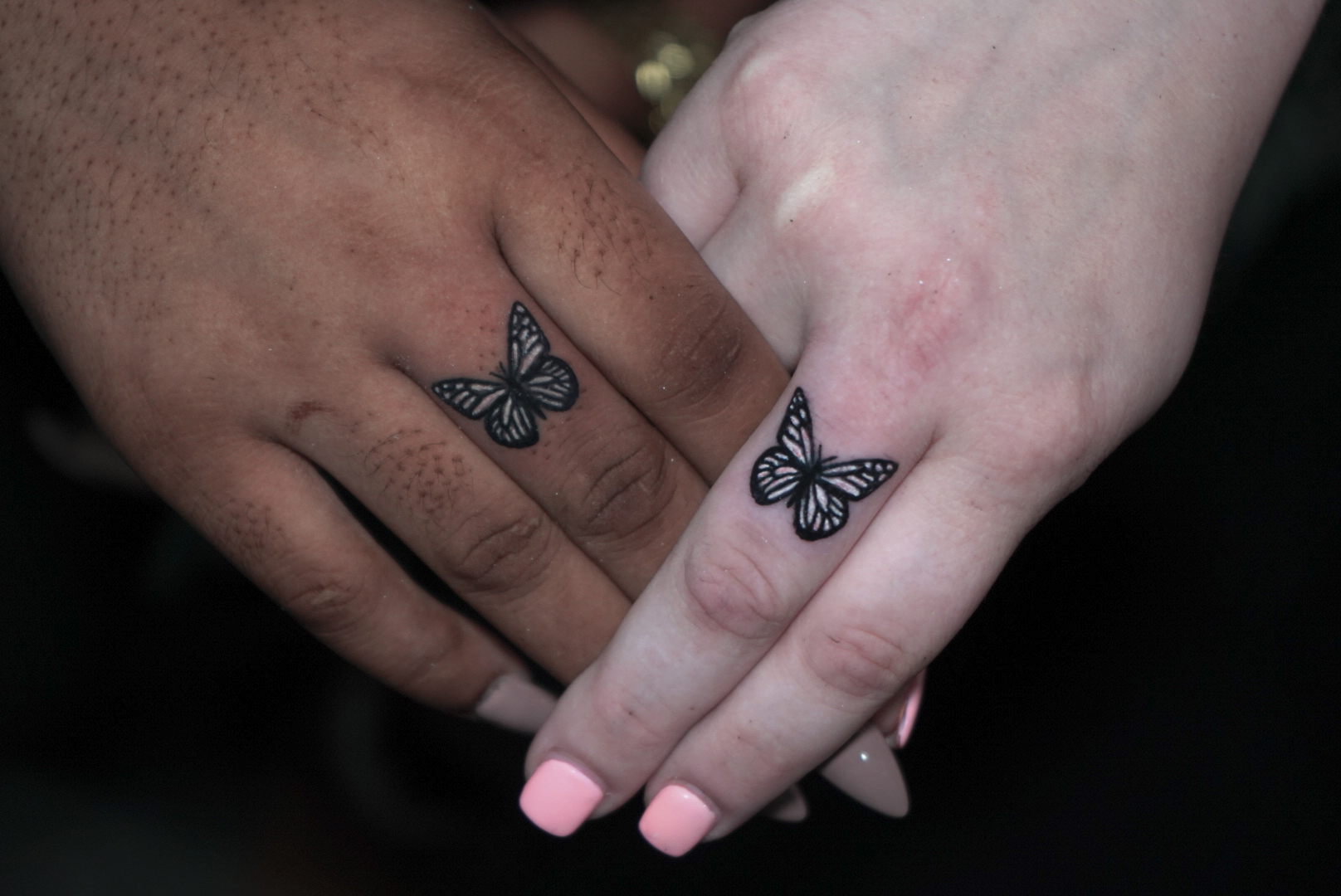
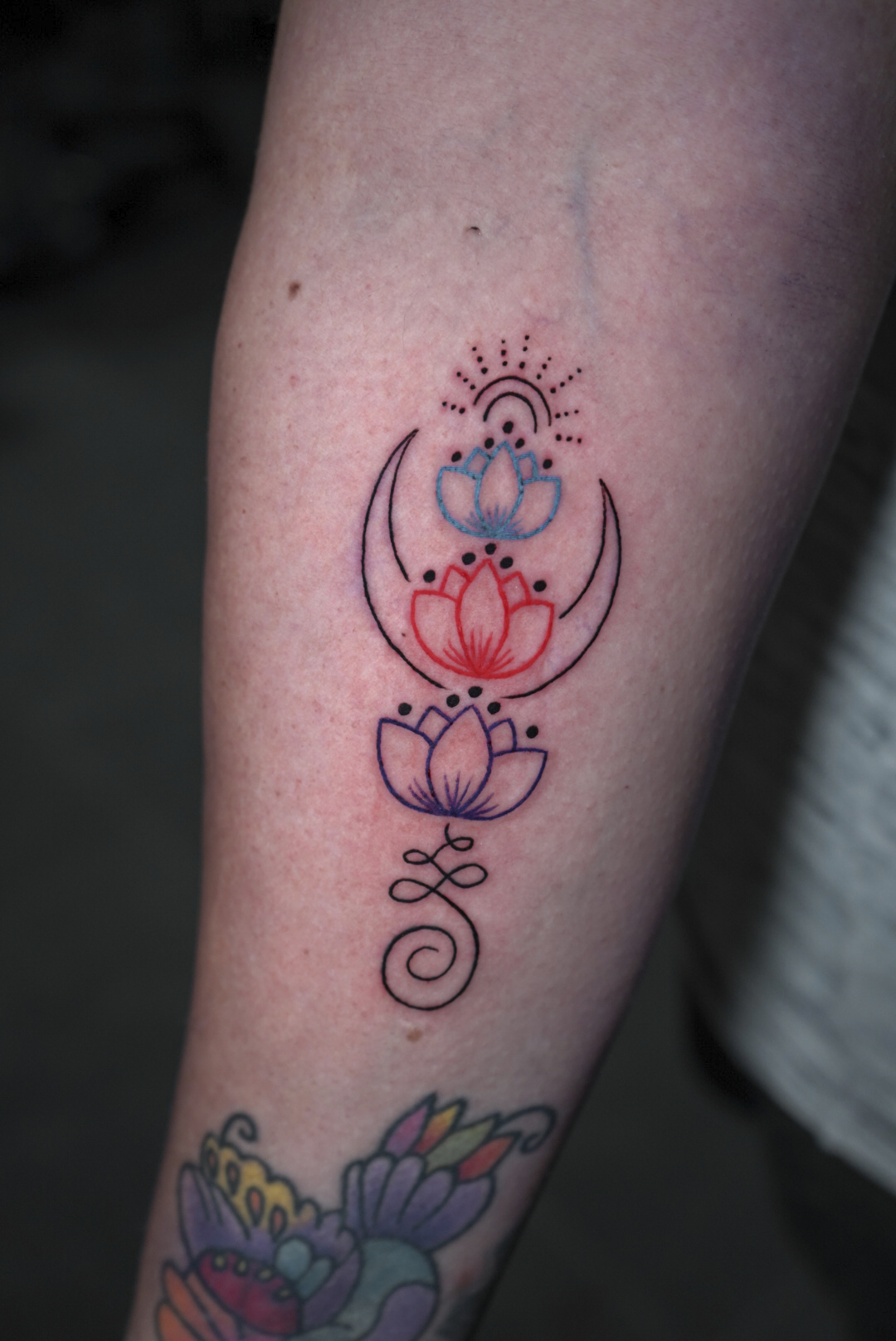
Report Highlights: According to the most recent data, approximately 24% of tattooed Americans roughly 21 million people regret at least one of their tattoos. This regret rate has nearly doubled from 14% in 2012, mirroring the surge in tattoo prevalence from 21% to 32% of American adults.
- 24% of tattooed Americans regret at least one tattoo (Pew Research Center, 2023).
- Regret rates increased from 14% in 2012 to 24% in 2023.
- 32% of American adults (approximately 88.5 million people) now have at least one tattoo.
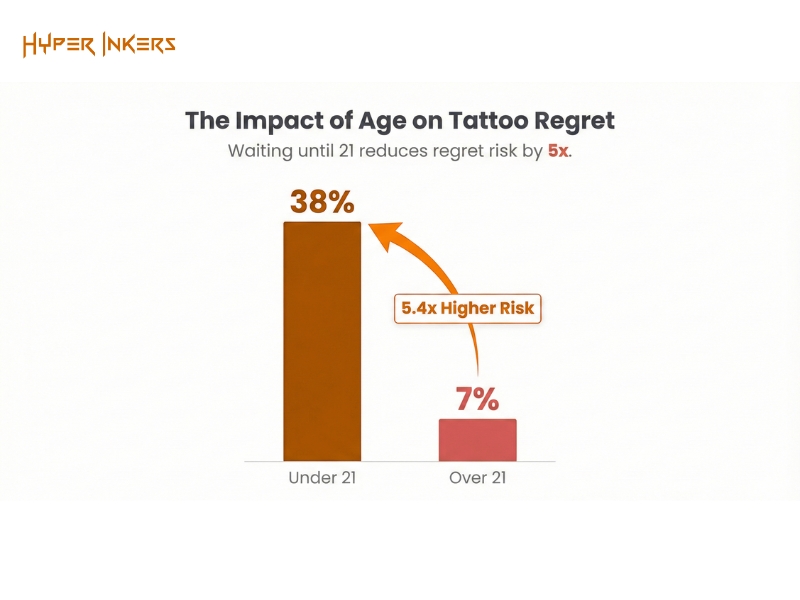
- Age Factor: Those who get tattooed before age 21 face a 38% regret rate, compared to just 7% for those who wait.
- Impulsivity: 48% of people who regret tattoos made spontaneous decisions.
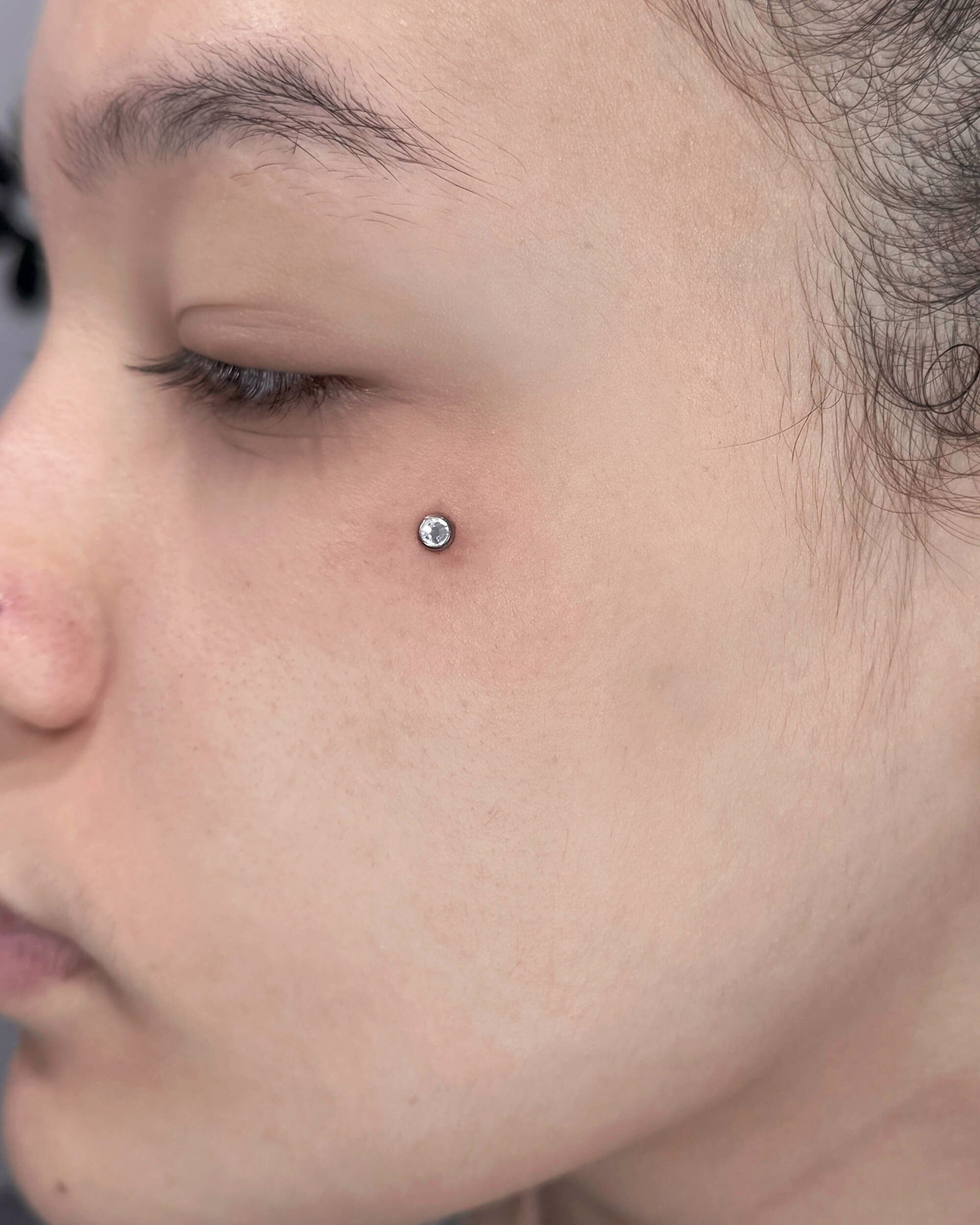
- Placement Risk: Face tattoos have the highest regret rate by placement at 44.1%.
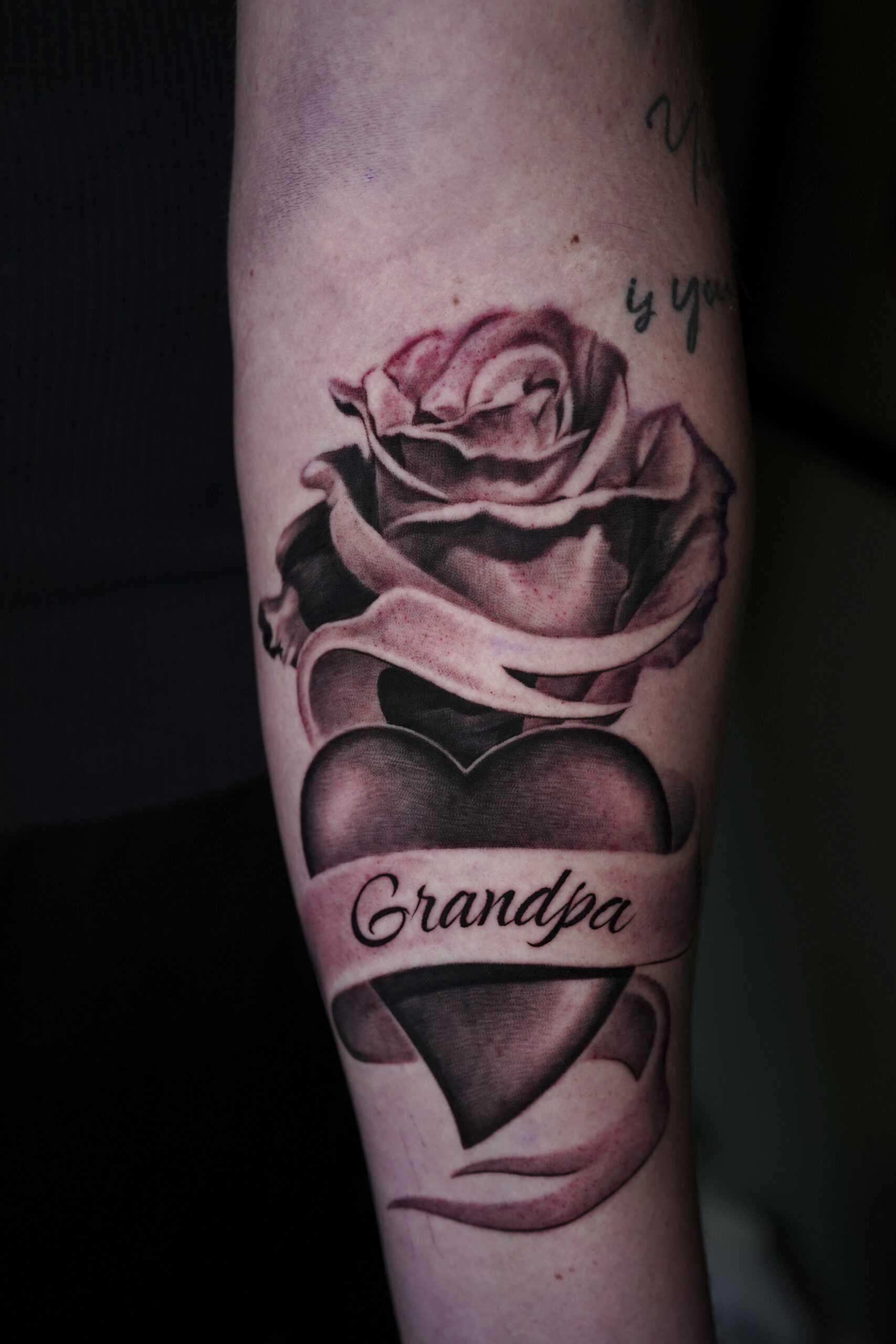
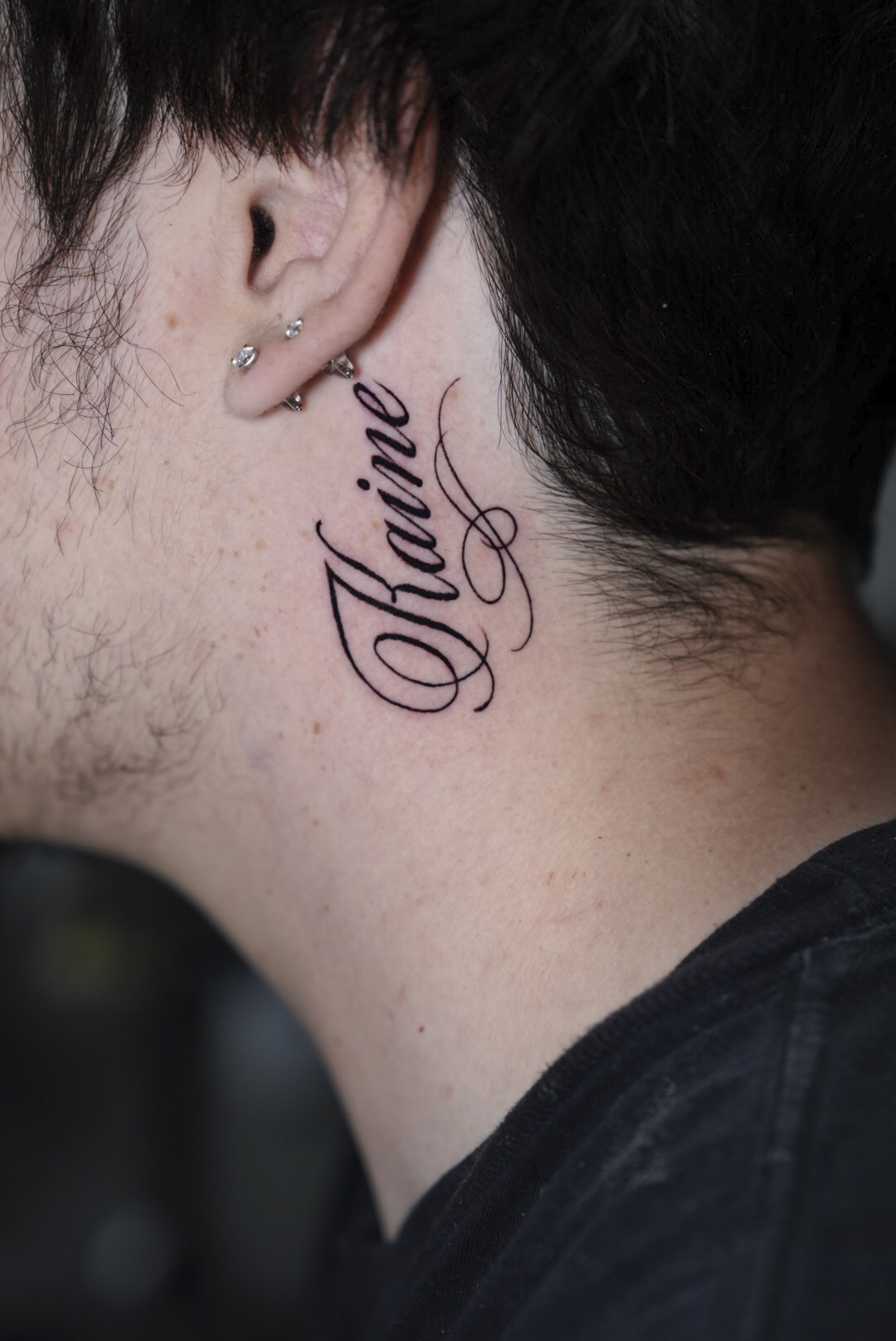
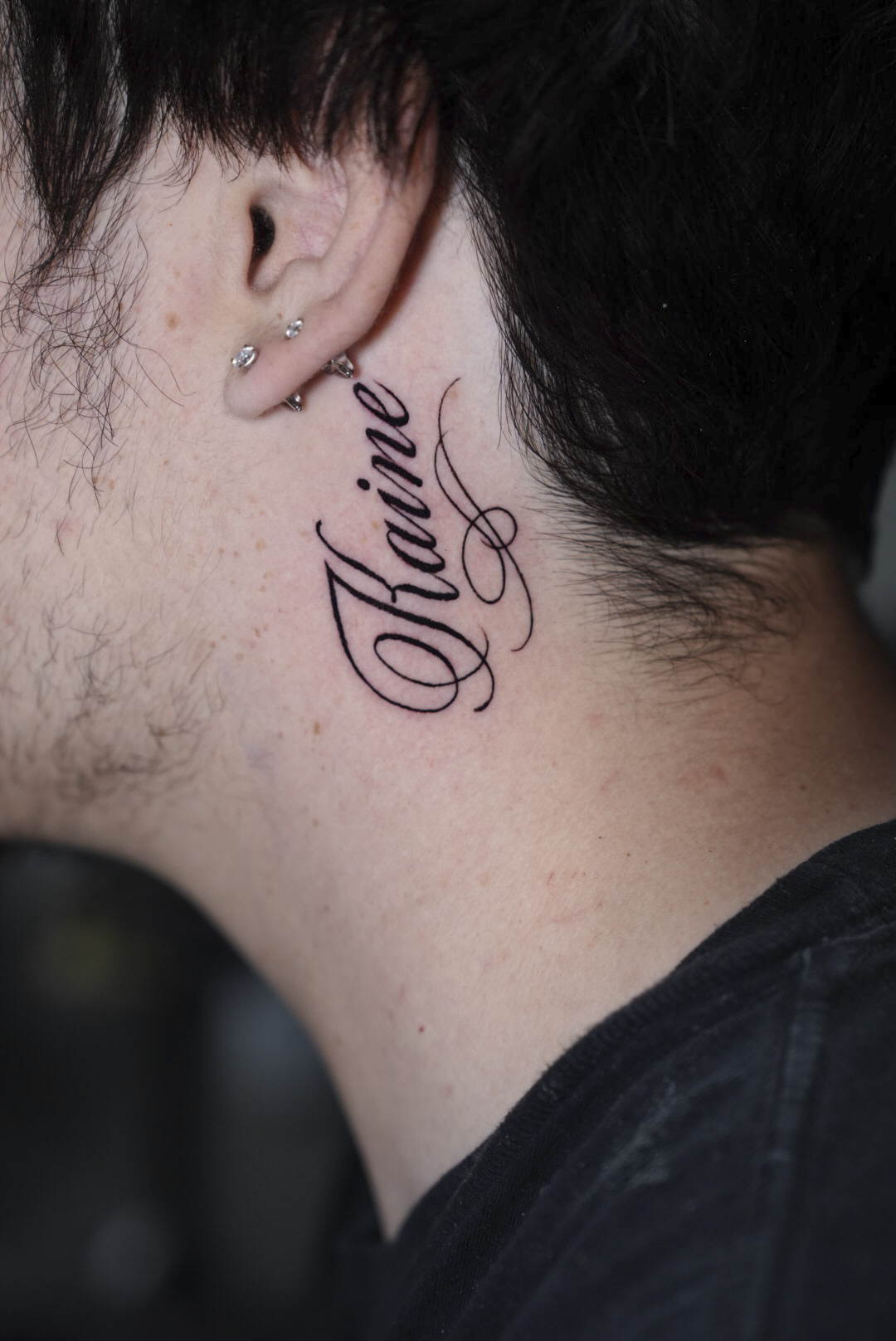
- Design Risk: Name tattoos of romantic partners remain the most commonly regretted type.
Related reports include: Where tattoos are most popular | How many people have tattoos in The US
1. Overall Tattoo Regret Rates: Is it Common?
Tattoo regret is a significant phenomenon affecting approximately 1 in 4 Americans with ink. While tattoos are often viewed as permanent, satisfaction levels can fluctuate. Research indicates a clear gap between outright regret and general dissatisfaction, as rates vary significantly across different study methodologies.
- Average regret rate: Falls between 18-25% across multiple large-sample studies.
- Pew Research (2023): 24% (Survey of 8,480 adults).
- Harris Poll (2015): 23% (Survey of 2,225 adults).
- Cureus study (2023): 18.2% (Survey of 3,033 adults).
- Dermatologic Surgery (2015): 16.2% (Survey of 501 adults).
- Harris Poll (2012): 14% (Survey of 2,016 adults).
Additional Insight: The scope of dissatisfaction is often broader than “regret.” Data shows 52.1% of individuals express interest in removing, covering, or revising at least one tattoo, suggesting that while many may not fully “regret” the experience, they are not entirely satisfied with the aesthetic result.
2. Historical Trend: Are Regret Rates Increasing?
Longitudinal data reveals a correlation between the mainstreaming of tattoo culture and the rise in regret. As tattoos became more accessible and socially acceptable, the volume of impulsive decisions appears to have risen proportionally.
| Year | Adult Tattoo Prevalence | Regret Rate | Study Source |
| 2003 | 14-16% | – | Industry estimates |
| 2012 | 21% | 14% | Harris Poll |
| 2015 | ~29% | 23% | Harris Poll |
| 2023 | 32% | 24% | Pew Research Center |
Key Finding: While tattoo prevalence increased by over 50% since 2012, regret rates nearly doubled in the same period jumping from 14% to 24% affecting an estimated 21 million Americans.
3. Demographic Breakdown: Who is Most Likely to Regret?
Demographic factors such as age, generation, and education level are strong predictors of future satisfaction. The data suggests that decision-making maturity plays the most critical role in long-term tattoo affinity.
By Age at First Tattoo
The age at which an individual first gets inked is arguably the strongest statistical predictor of regret.
- Tattooed before age 21: 38% regret rate.
- Tattooed after age 21: 7% regret rate.
- Average age (Regret group): 19.3 years.
- Average age (No Regret group): 22.7 years.
- Statistical Odds: Each additional year of age reduces regret odds by 7% (OR 0.93).
By Generation
- Adolescents: 33% regret rate (highest of any age group).
- Baby Boomers: 19% regret rate (among those with tattoos).
- Gen X and Millennials: Fall within the 18-25% range (varies by study).
By Race/Ethnicity
Cultural factors and prevalence also influence these statistics.
- Hispanic Americans: 30% regret rate (Pew Research).
- White Americans: 23% regret rate.
- Black Americans: 21% regret rate.
By Education Level
- Some college or less: 25% regret rate.
- Bachelor’s degree holders: 19% regret rate.
By Gender
- Male: 66.3% of those who express regret are male (Cureus study).
- Female: While men report higher regret, women account for 75% of removal procedures, indicating they act on their regret more frequently.
4. The Psychology of Regret: Why Do Opinions Change?
Understanding why regret happens is just as important as the numbers. The data points to a mix of internal psychological changes and external execution failures.
Primary Reasons (Tattoo Pathway Survey)
- Changed personal meaning (47%): The most common reason; the tattoo no longer resonates with the person’s current identity.
- Placement regret (41%): Dissatisfaction with visible or prominent locations.
- Technical quality issues (41%): Dissatisfaction with the artistic appearance or aging of the ink.
- Impulsive decision-making (35%): Spontaneous choices without foresight.
- Significant life changes (29%): New career phases or ended relationships.
Decision Context Factors
The circumstances surrounding the appointment heavily influence the outcome.
- Spontaneity: 48% of those who regret their tattoos made spontaneous decisions.
- Immediate Regret: 25% experienced regret within days of spontaneous tattoos.
- Artist Choice: Amateur tattoos carry a 43.3% regret rate vs. 19.3% for professional work.
- Intoxication: Being under the influence increases regret odds by 3x (OR 2.98).
- Peer Pressure: Triples the likelihood of regret (OR 3.02).
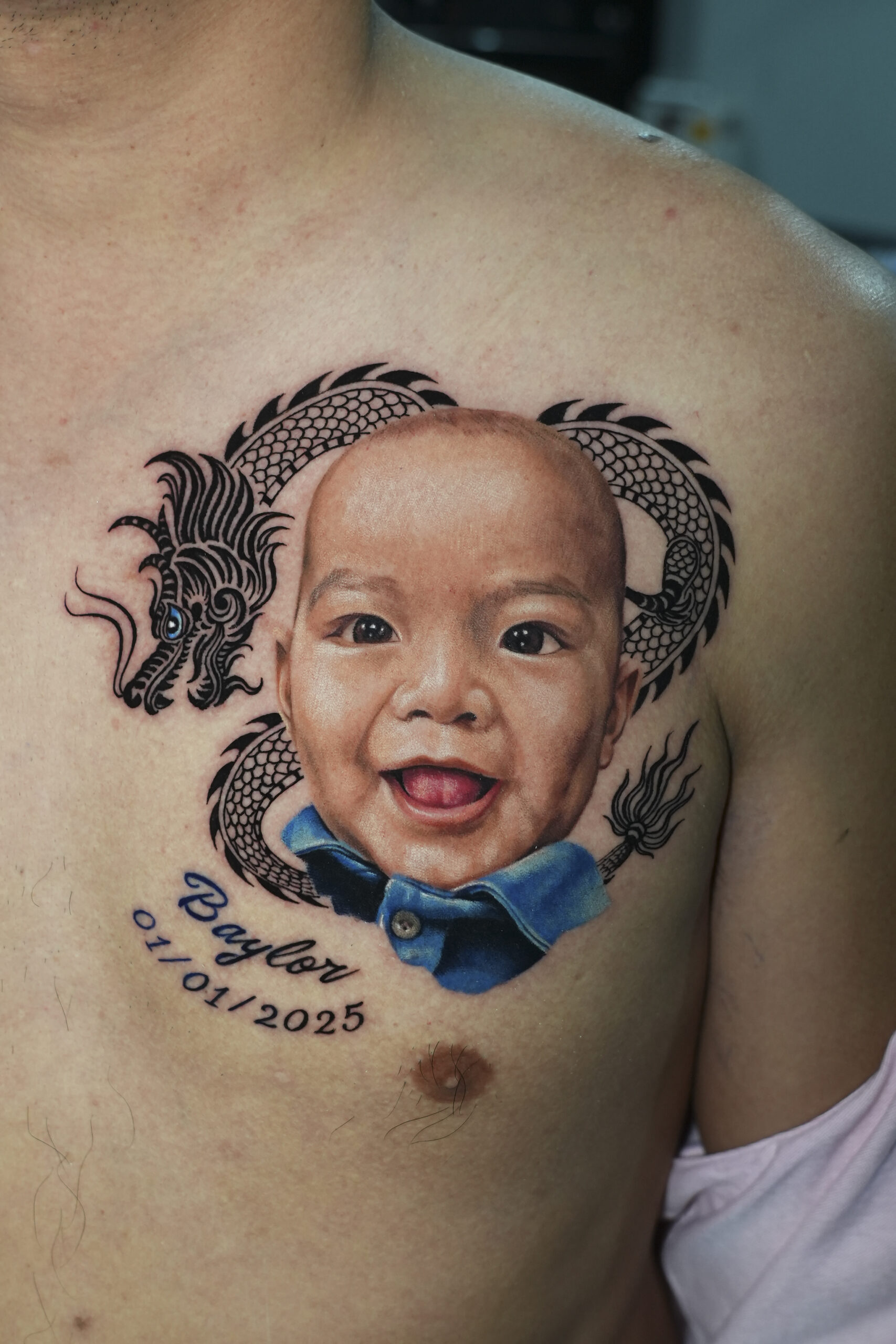
- Relationships: One in ten Americans got tattoos for significant others they later broke up with.
5. High-Risk Decisions: Placement and Design Types
Not all tattoos carry the same statistical risk. Certain placements and subject matters are consistently overrepresented in removal clinics and regret surveys.
By Specific Tattoo Type
- Name tattoos of partners: 30%+ regret rate.
- Face tattoos: 44.1% regret rate (highest).
- Small tattoos: 63% regret rate (often correlated with impulsivity).
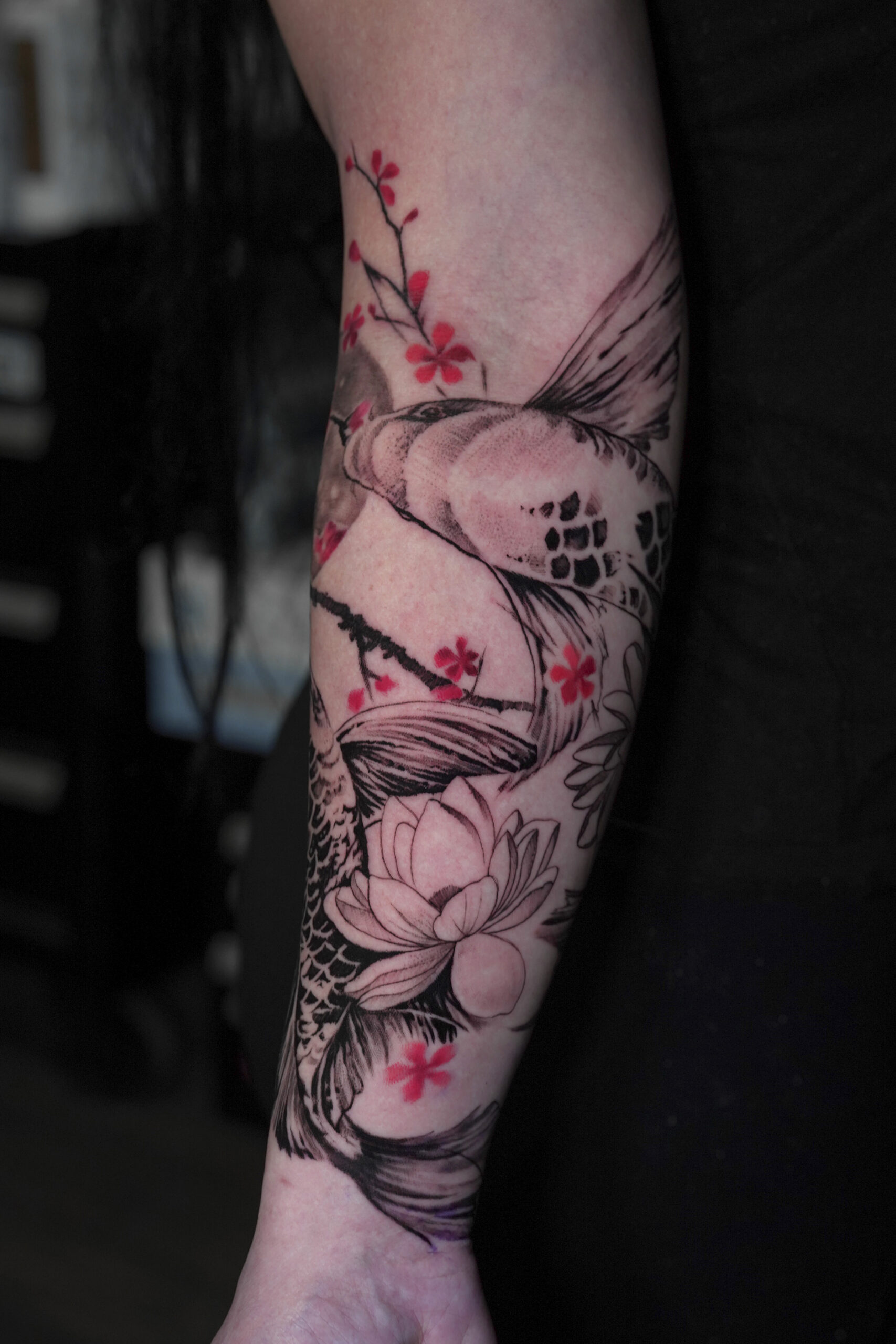
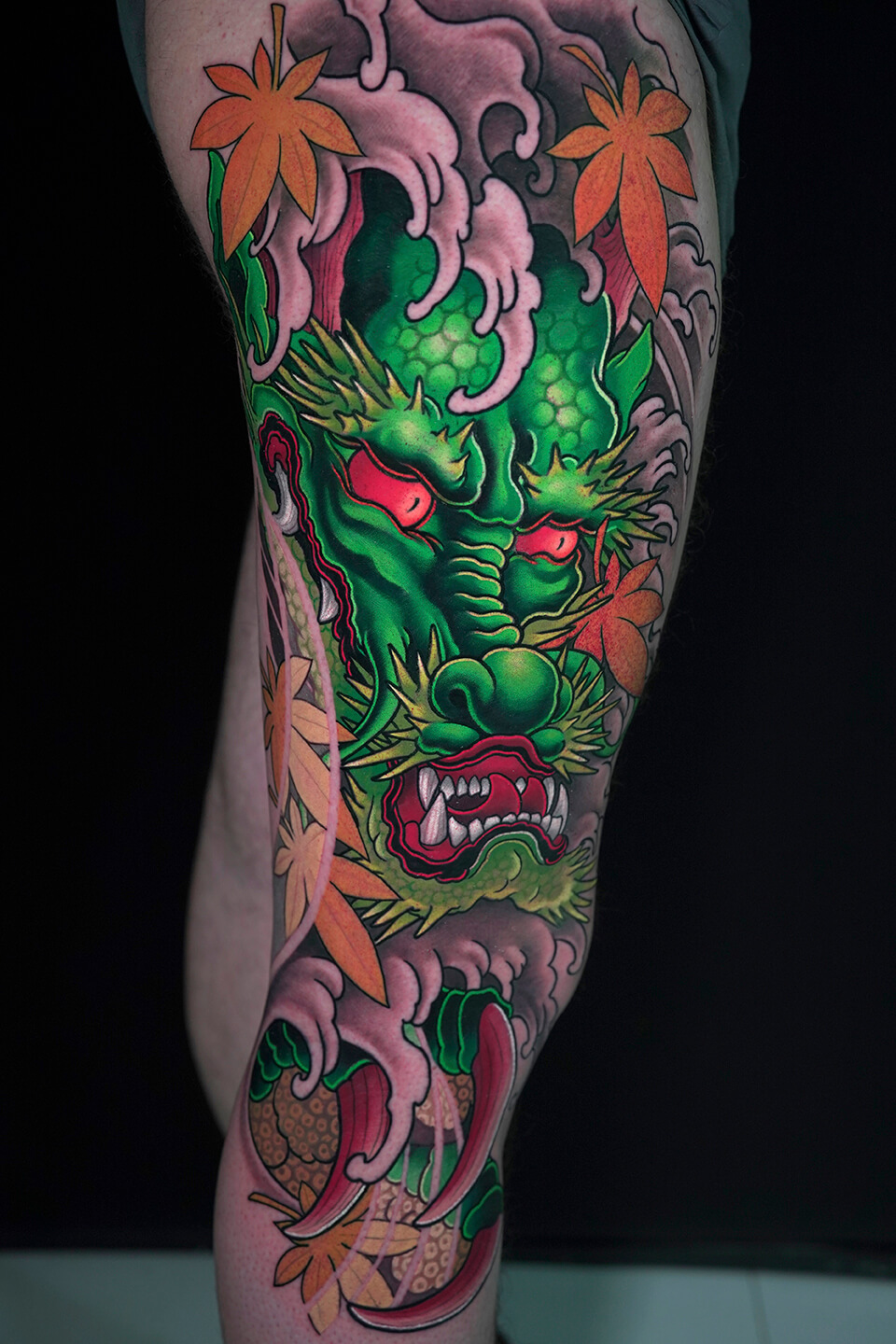
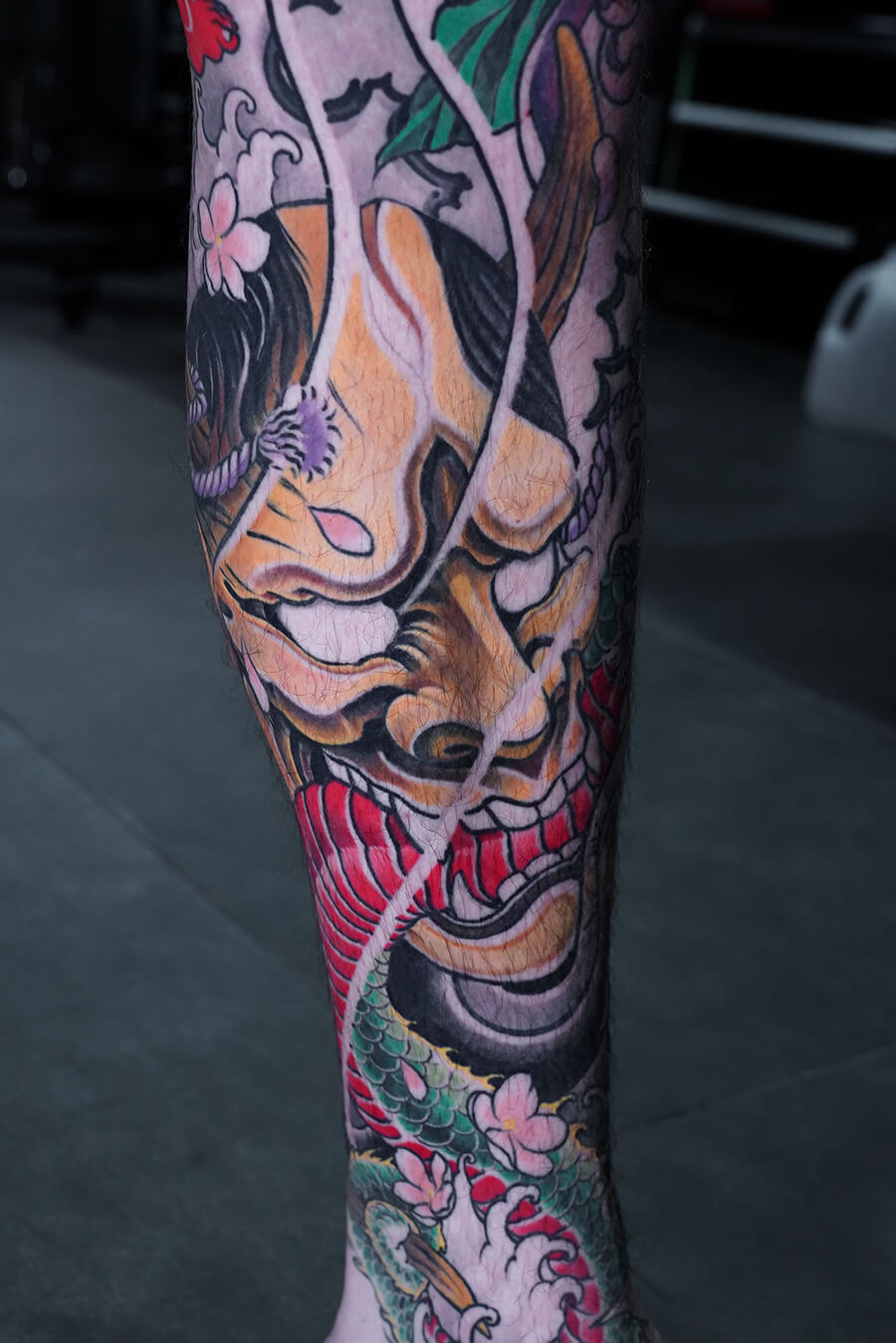
- Full sleeve tattoos: 2% regret rate (reflects greater financial investment and deliberation).
By Body Placement
| Placement | Regret Rate | Risk Level |
| Face | 44.1% | Highest |
| Head/neck | ~35-40% | Very High |
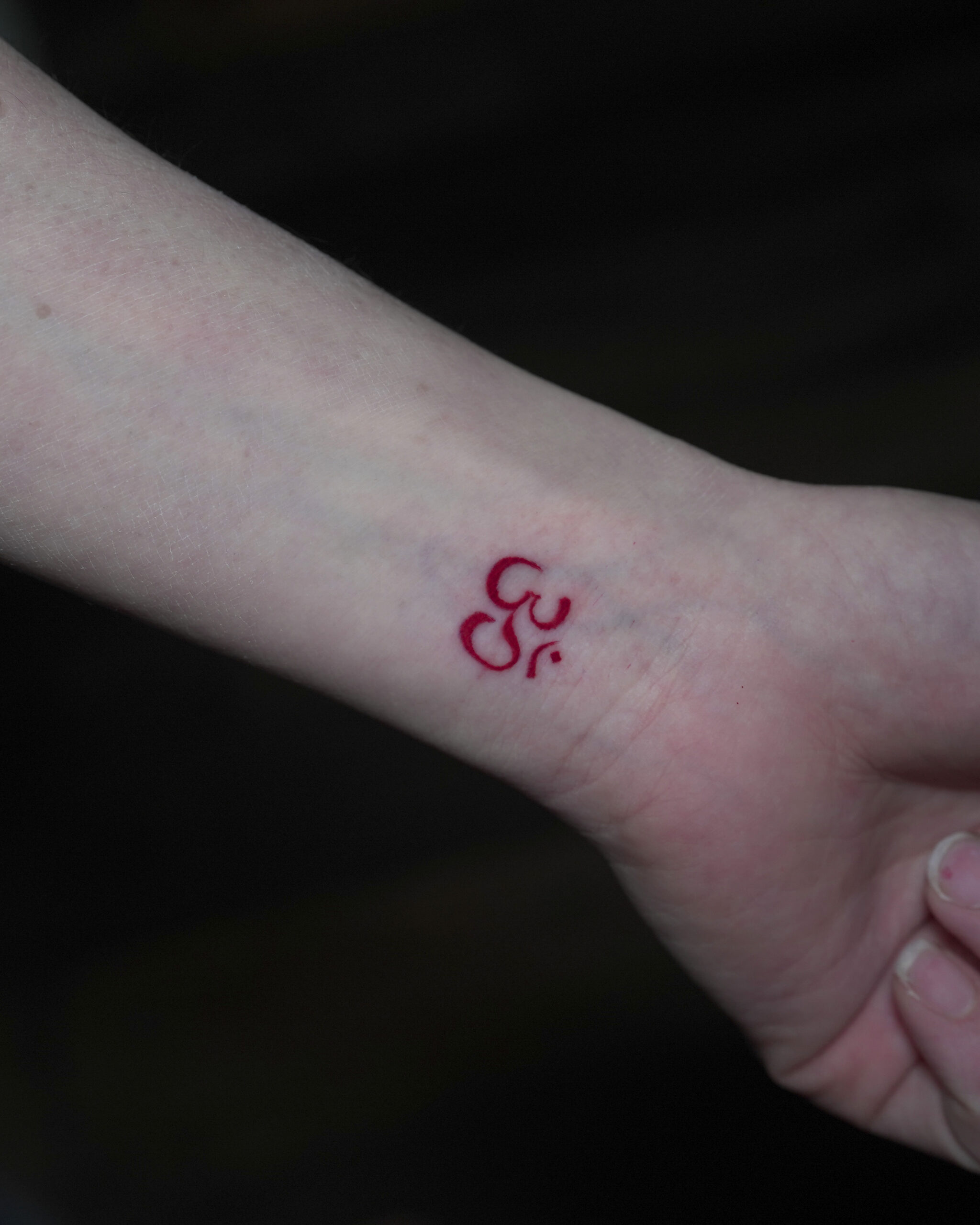
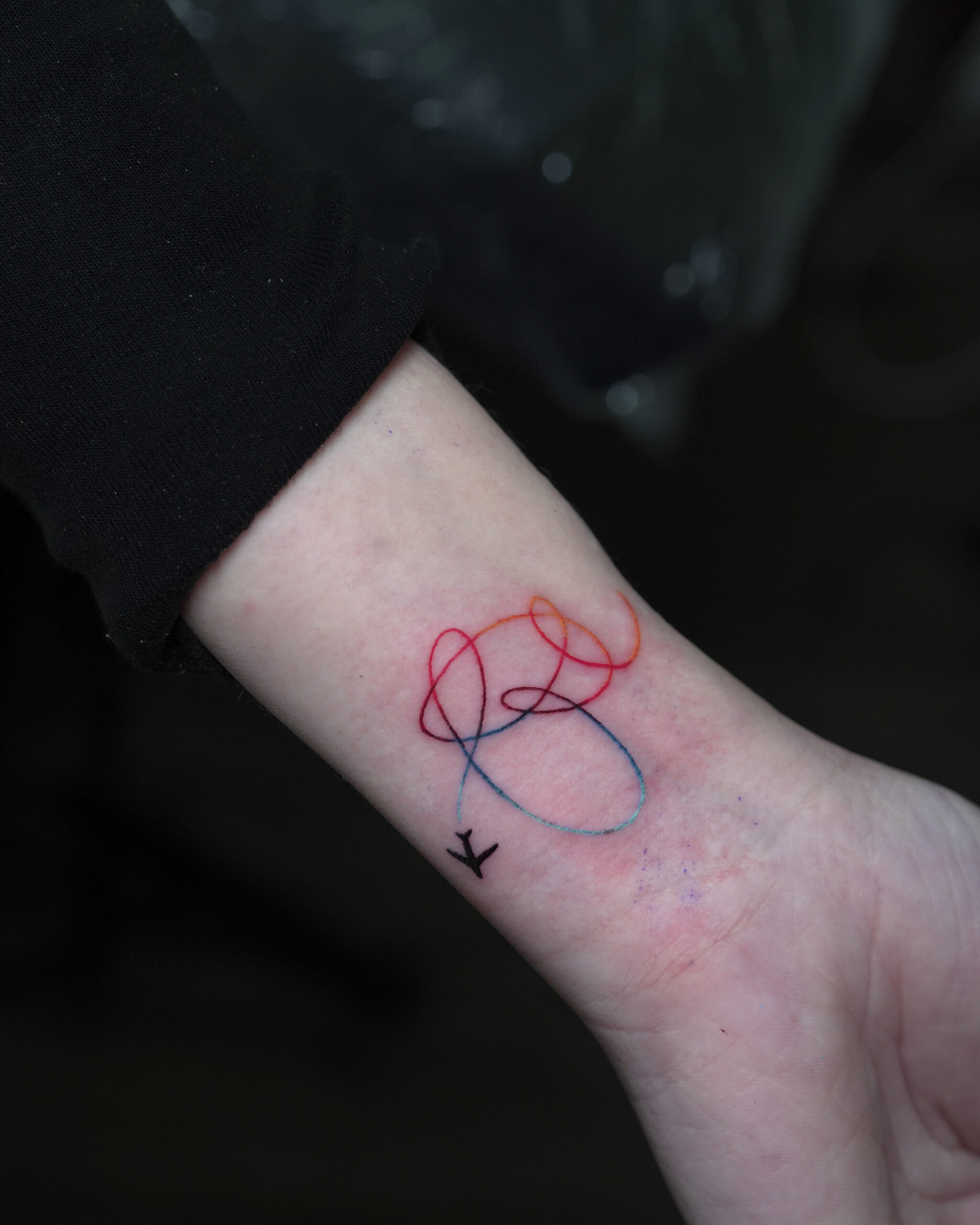
| Hands/wrists/fingers | ~30-35% | High |
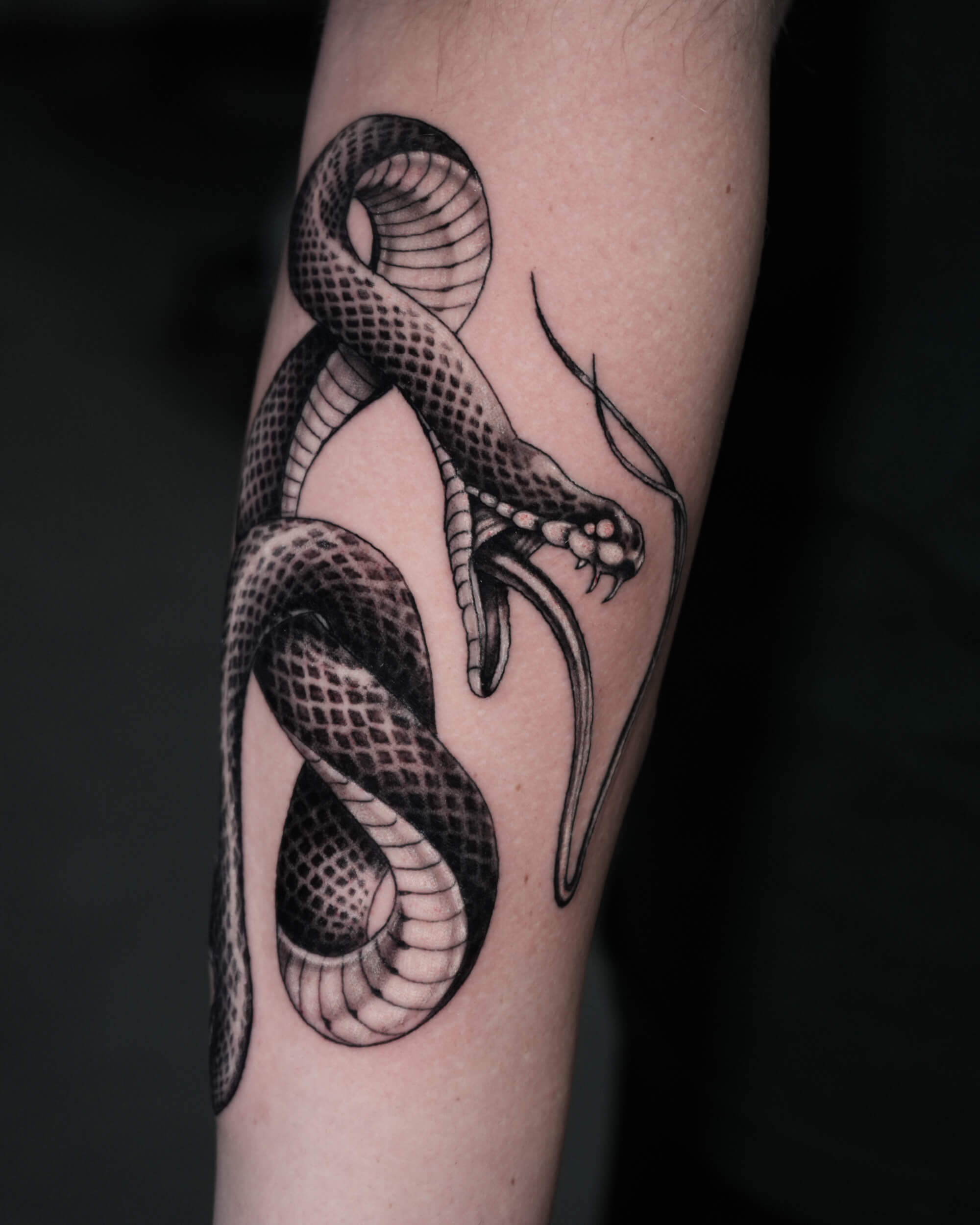
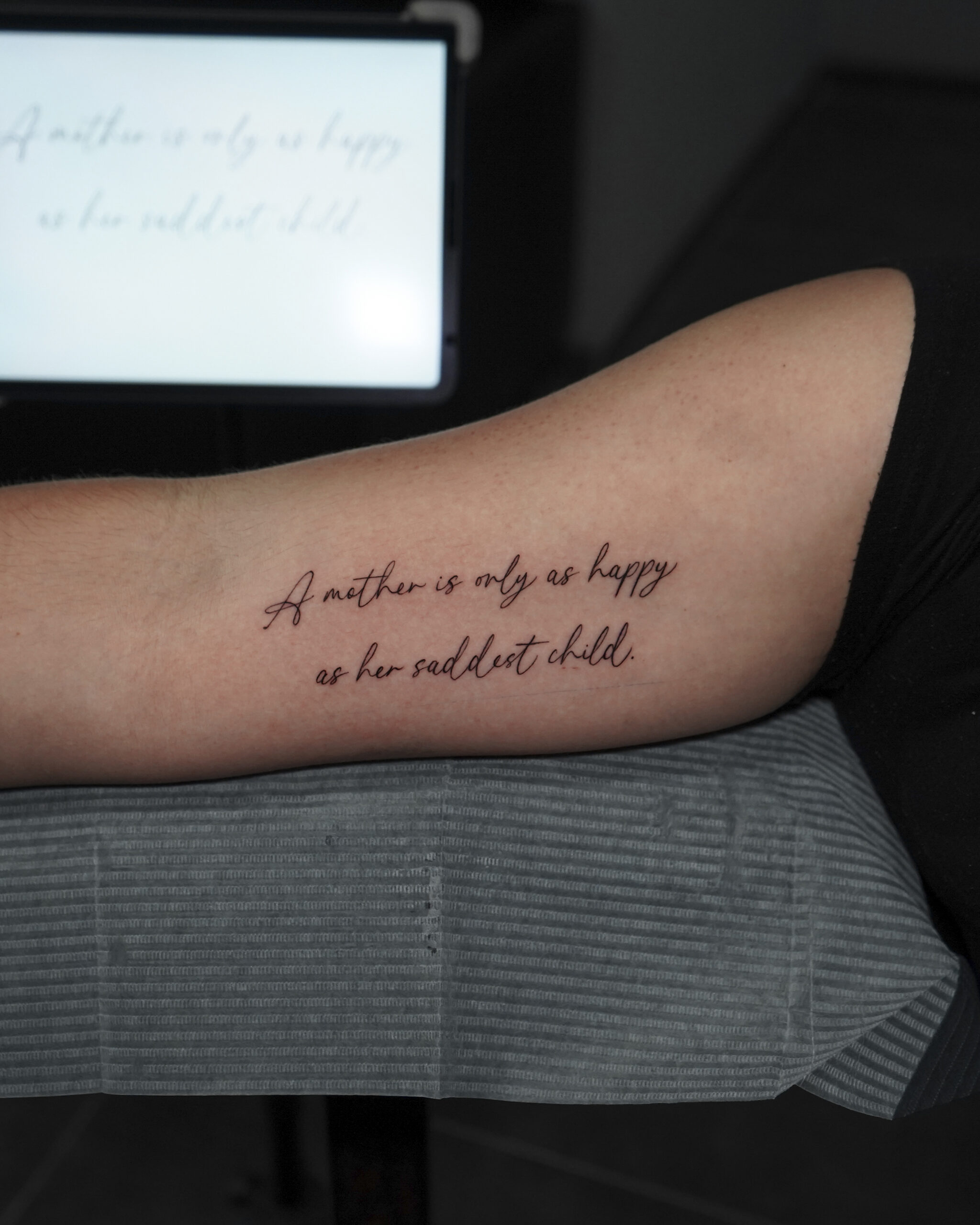
| Forearm | ~25-30% | High |
| Upper extremity | 29.3% | High |
| Bicep/tricep | ~20-25% | Moderate-High |
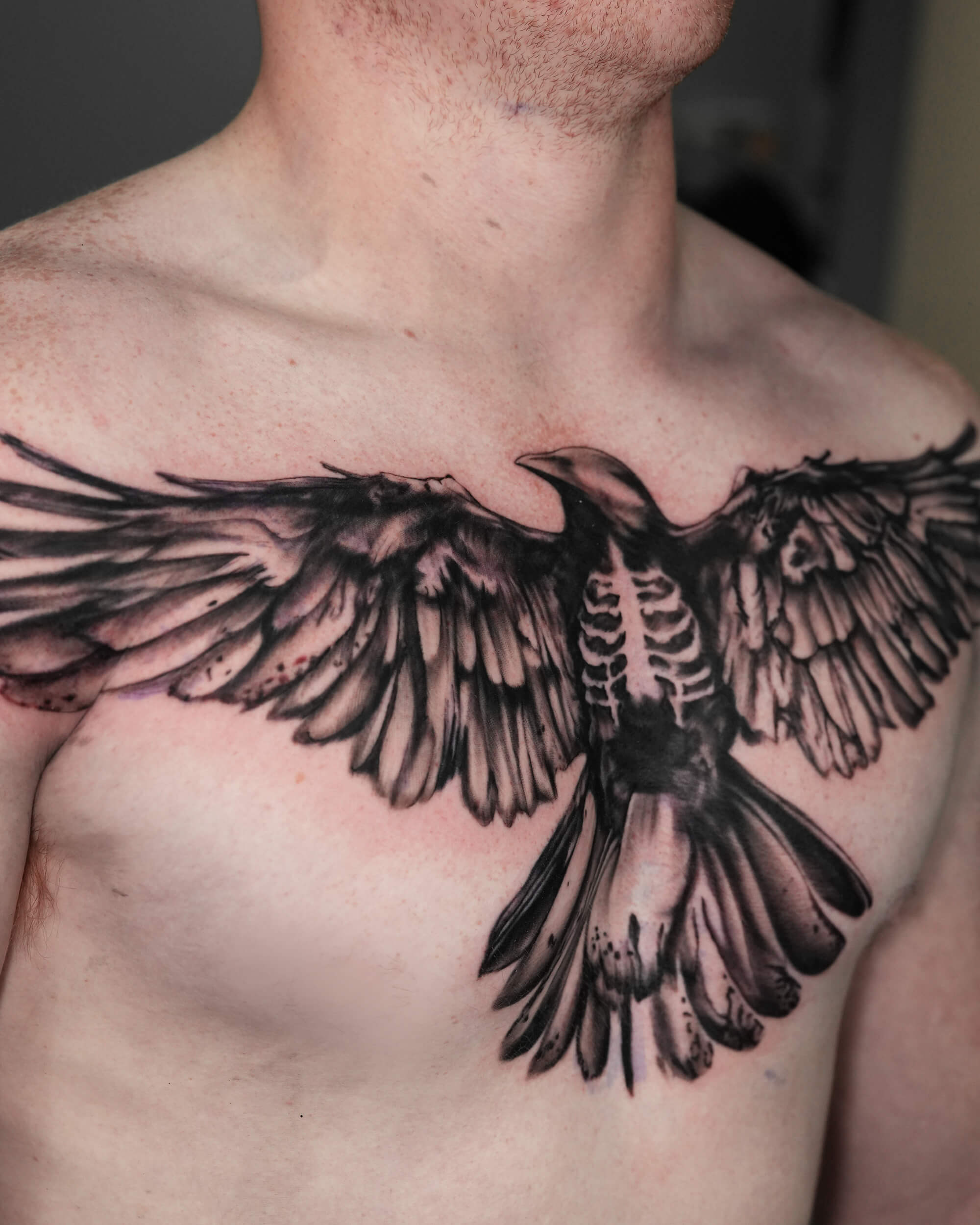
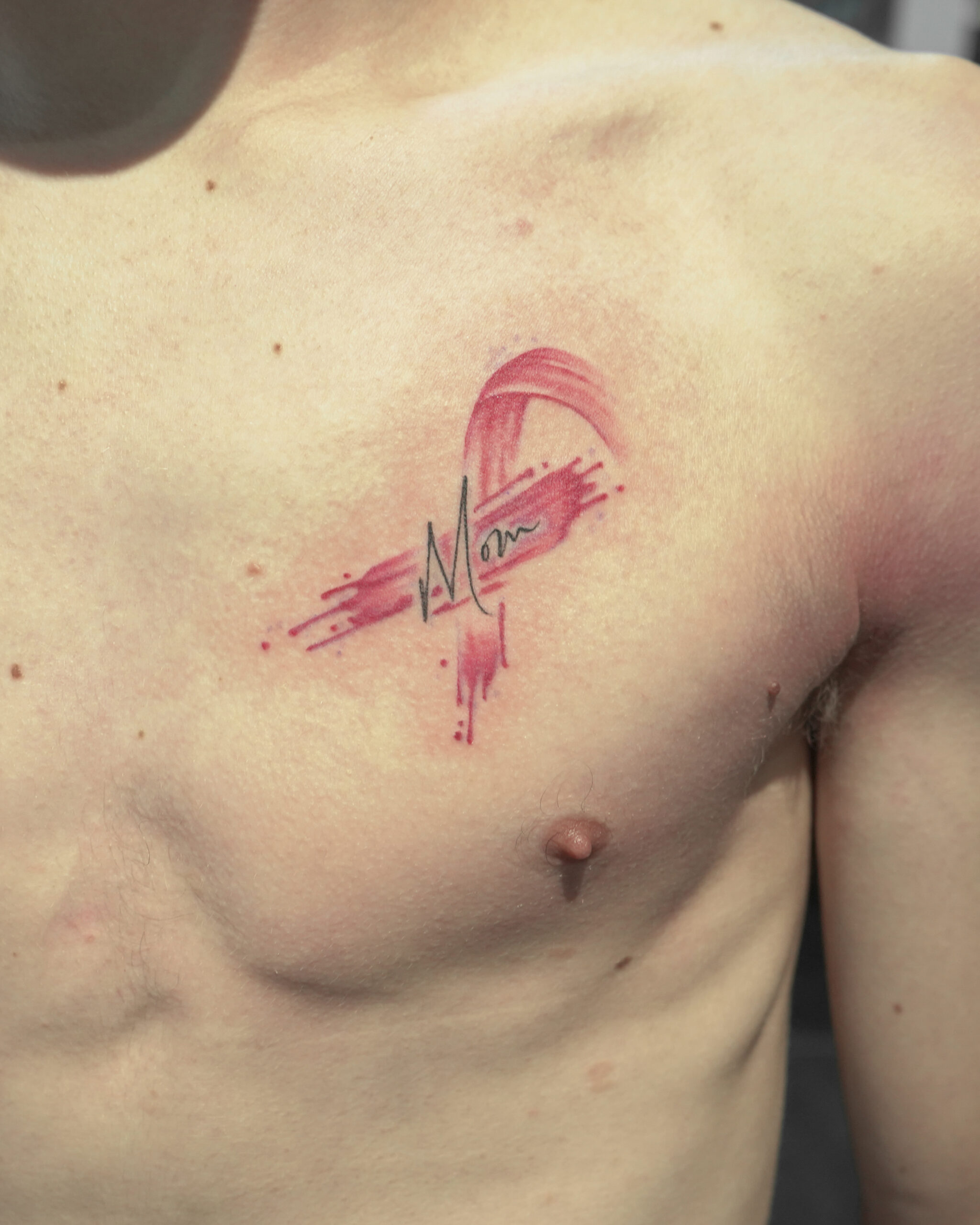
| Chest | ~18-22% | Moderate |
Note: Some placements have estimated ranges based on odds ratios from studies (face/neck/hands are 2-2.1x more likely to be regretted than average placements).
Career impact: 75% of Americans believe visible tattoos negatively affect career opportunities, with 40% of tattooed individuals considering removal for job-related reasons.
6. The Timeline of Regret: When Does Dissatisfaction Set In?
Regret is not always immediate. For many, it is a slow realization that grows as life circumstances evolve.
- Within days: 18%
- Within 3 months: 16%
- Within 1 year: 15%
- After 2+ years: 51% (The majority).
Key Insight: Regret is cumulative. Each additional year living with tattoos increases regret odds by 8% (OR 1.08), suggesting that as people age, their aesthetic tastes and professional needs diverge from their younger selves.
7. Risk vs. Protective Factors
Research has isolated specific variables that can either protect against or predict future dissatisfaction.
Protective Factors (Lower Regret Risk)
- Maturity: Older age at first tattoo (7% lower regret per year).
- Meaning: Remembrance purpose (32% lower regret odds).
- Quality: Using a professional artist (55% lower regret vs. amateur).
- Process: Deliberate decision-making.
- Visibility: Less visible placements (torso, legs) vs. high-visibility zones.
Risk Factors (Higher Regret Risk)
- Time: Each year living with a tattoo (8% higher regret odds).
- Visibility: Face, hands, and neck (2-2.1x higher odds).
- Youth: Getting tattooed before age 21 (5.4x higher regret).
- State of Mind: Intoxication (3x higher odds) or Peer Pressure (3x higher odds).
- Execution: Amateur artist (2.2x higher regret).
- Health: Adverse events like infection or allergic reaction (42% higher odds).
8. Key Academic Studies on Tattoo Regret
To understand the full scope of this data, we analyzed findings from major national surveys and peer-reviewed dermatological journals.
- Pew Research Center (2023): National survey of 8,480 adults establishing the 24% regret benchmark.
- Think Before You Ink – Cureus (2023): Detailed survey of 3,033 adults revealing the 18.2% regret rate and high interest in modification (52.1%).
- Dermatology Patients Study (PMC – 2023): Highlighted age as the strongest predictor (19.3 years vs 22.7 years).
- Harris Poll (2015, 2012): Provided historical tracking data showing the jump from 14% to 23%.
- Laumann & Derick – JAAD (2006): Foundational study with 830+ citations establishing early baselines for removal interest.
9. How to Avoid Tattoo Regret: Expert Advice for Your Next Ink
At Hyper Inkers, one of the best tattoo shops in San Antonio, we believe a tattoo should be a lifelong badge of pride, not a statistic in a removal clinic. Based on the data analyzing over 21 million cases of regret, here is the expert blueprint to making a decision you will not look back on.
The “Wait and See” Rule
Never walk into a shop on a whim. If you have an idea, wait at least 3-6 months. If you still love the design as much as you did on day one, you are likely ready. Delaying gratification filters out momentary impulses.
Choose Meaning Over Trends
Anchor your design in something personal and timeless your values, your history, or art you genuinely love rather than current internet trends or a romantic partner’s name. Trends fade, and relationships change, but your personal story remains constant.
Invest in Professional Artistry
“Cheap tattoos aren’t good, and good tattoos aren’t cheap.” Research your artist’s portfolio meticulously. Look for healed work, not just fresh photos. A technical flaw or poor execution is the third most common reason for regret (41%).
Be Strategic About Placement
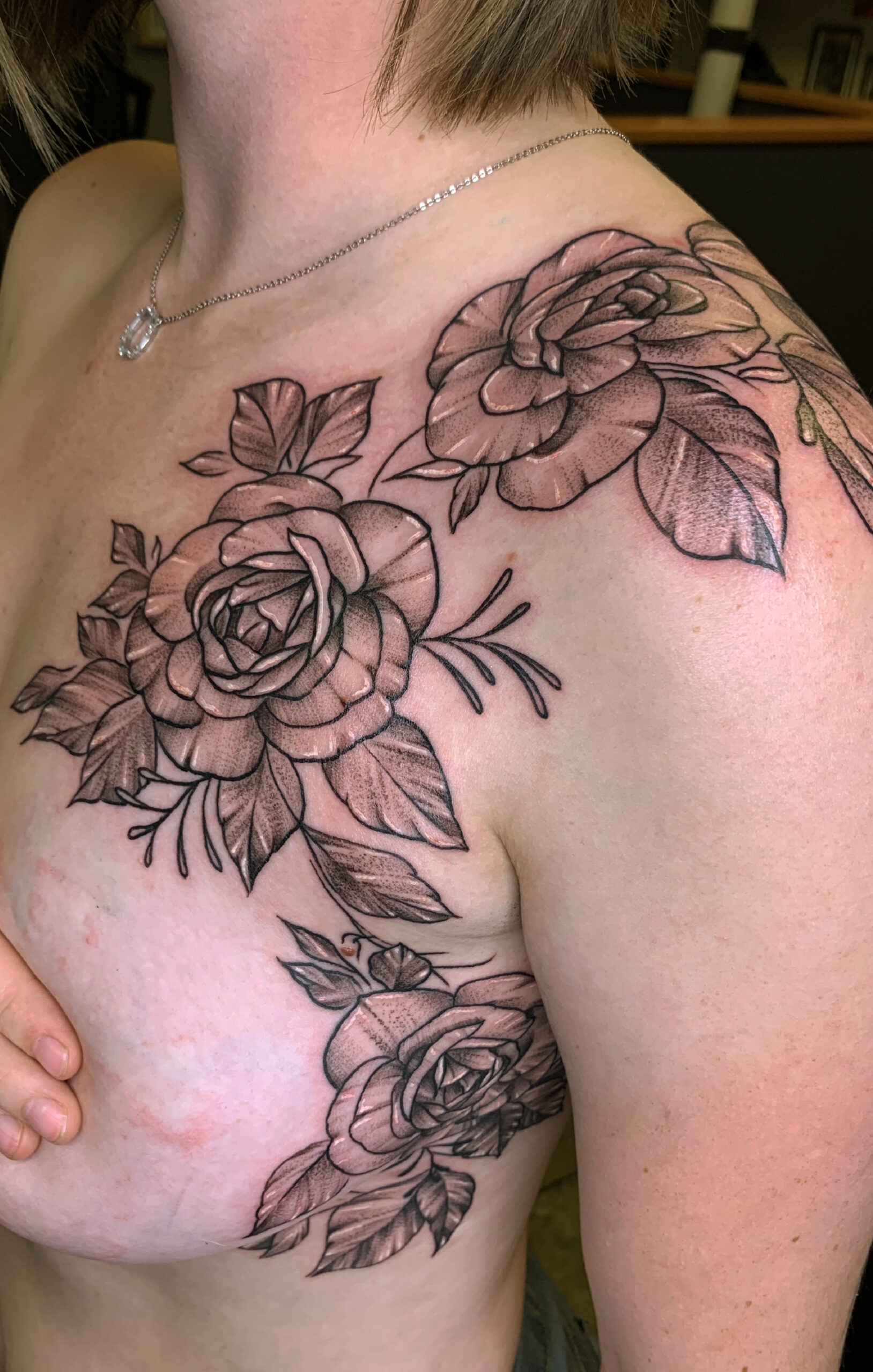
Especially for your first tattoo, consider “real estate” that is versatile places you can show off when you want but cover up when you need to (like the upper arm, chest, or legs).
Wait Until You Are Ready
There is no rush. Your tastes evolve rapidly in your early 20s. Giving yourself time to mature ensures your tattoo reflects the person you became, not just the person you were.
Sources
- Pew Research Center (2023) – National survey of 8,480 adults
- Think Before You Ink: Cureus (2023) – Survey of 3,033 U.S. adults
- Tattoos: Demographics and Regret – PMC (2023) – Dermatology patient study
- Harris Poll (2015, 2012) – National tracking surveys
- Laumann & Derick – JAAD (2006) – Foundational study, 830+ citations
- Advanced Dermatology – Tattoo Regrets Study (2023) – Consumer behavior data
- Tattoo Pathway – Regret Insights – Reason for regret survey
- Statista – Tattoo Regret Statistics – Historical tracking data
- FiveThirtyEight – Tattoo Regret Analysis – Data journalism
- Regret among tattooed adolescents – ScienceDirect – Youth-focused research
- Psychology Today – Psychology of Tattoo Regret – Psychological perspectives